
On entry, the bed dressed in blush and cream seems to glow with a strawberry-tinted light. We pause to map how daylight spills across cotton and linen, refining the line between cosy and bright. The window is wide but softly dressed, so the room reads as an invitation rather than a stage. We test a sequence of textures that can be touched and seen in one glance, prioritising tactile reassurance over visual noise. The goal is to achieve calm at the scale of mornings, not a one-off redecorating moment. We note the presence of air, warmth, and quiet edges that hold the eye. In this field report we track decisions that feel small, yet accumulate into a daily ritual rather than a finished showcase.
Soft-textures as the backbone of a bright morning
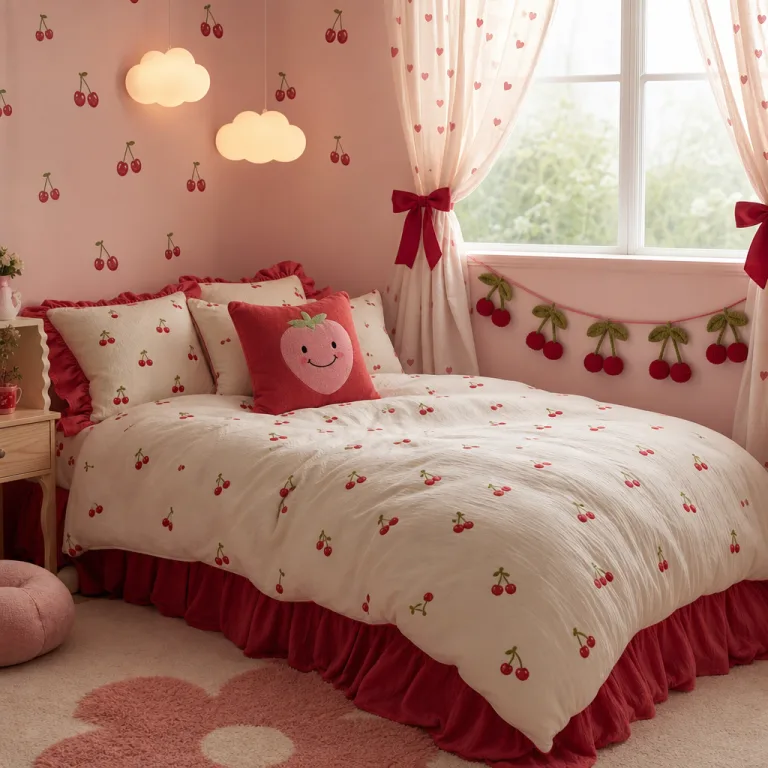
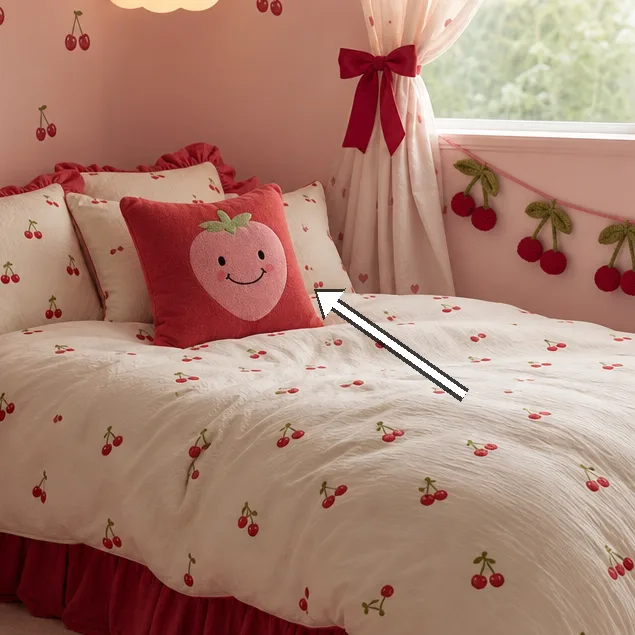
Texture becomes the room's quiet engine, transforming flat colour into a space that rewards touch and memory. We begin with the duvet and cushions, selecting surfaces that invite linger and careful exploration rather than quick glance. A cotton-linen blend duvet in a strawberry shade offers cool air against the skin when the morning air shifts, yet holds warmth at night. We mix boucle with smooth sateen to create tactile moments that read as cohesive, not chaotic, and we observe how the eye travels from bed edge to far corner with ease. The arrangement of cushions moves from flat against the headboard to gently curved clusters, each position suggested by habit and mood, never by impulse. In practice, texture guides the reader to linger, stroke, and choose stillness over busyness.
Natural light becomes the room's partner rather than its director, guiding mood through subtle shifts rather than abrupt transformations. We watch how the strawberry shade warms toward apricot as the sun climbs, softening the edges of the linen. The curtains diffuse the bed's outline, reducing glare and encouraging a slower blink from the eyes. We pair warm woods with pale textiles to avoid clinical harshness, letting the palette breathe. A shallow rug beneath the bed cushions the feet and anchors the scene without crowding the floor. The outcome feels tactile and approachable, a zone designed for morning rituals rather than a staged magazine shot.
Layering becomes deliberate rather than decorative, with intention driving every addition. We start with a light sheet and add a duvet that can be peeled back as the day warms, giving options for temperature and mood. A wool throw at the foot adds weight and texture without dominating the bed's silhouette. Cushions are grouped in odd numbers to create a casual, collected feel while preserving order. We avoid crowding by keeping one clean surface visible and allowing soft texture to fill the margins, so the space remains calm and breathable.
Calm colour, playful contrast
 Save
Save
Colour in this room is a whisper, anchored by strawberry as a core while warmer neutrals provide a steady stage for everything that follows. We select beige oak furniture to ground the pink and hide reflections that might sharpen the mood on bright mornings. A clay-toned blanket at the bed's end offers a playful counterpoint that remains compatible with the palette's restraint. We test tiny lavender accents sparingly, letting them appear on a cushion edge or a lamp shade to avoid overpowering the room's balance. The visual rhythm relies on repetition without monotony, so the eye keeps moving without fatigue.
Scale guides the balance between elements, ensuring the bed remains the star without dominating the room. We keep generous negative space around the edges so light can move freely and softly across the floor. A small beech stool stores slippers and a book for morning moments, avoiding bulky furniture that saturates the view. We avoid mirroring too many pinks in proximity to the bed, which would flatten the air and reduce airiness. Instead we place a single wooden tray on the windowsill to catch the rising sun and reflect the palette in a quiet, honest way.
Textures and light perform a shared choreography; the more you adjust one, the more the other responds. We experiment with a linen curtain that is slightly sheer to modulate daylight without hiding the view. The rug absorbs footsteps, converting daily energy into a soft hush that remains friendly rather than clinical. We test the bed throw's tumble in the breeze, noting how it creates pocket-shadows that feel comforting, not dramatic. The end result reads as deliberate but adaptable, ready for slow mornings and swift adjustments alike.
Light, shade and morning ritual
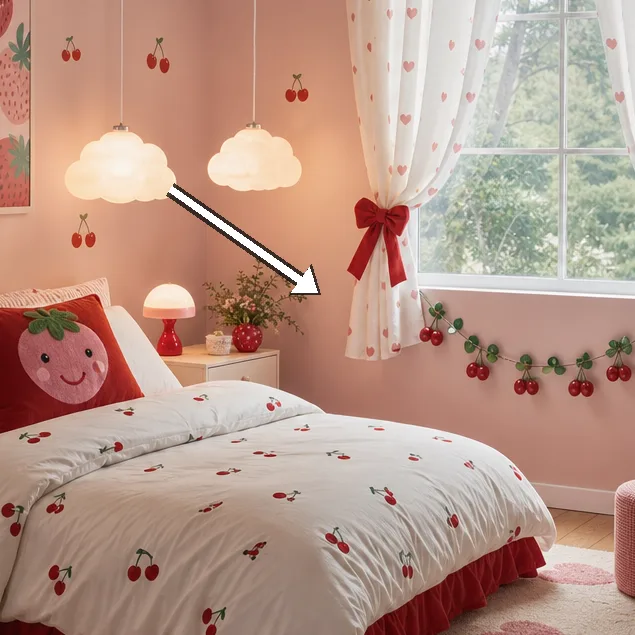
Morning light becomes the primary tool for shaping mood, revealing how diffused sunlight softens the strawberry hue into a warm, edible glow. We observe that the sheer curtains diffuse harsh edges, preserving colour while keeping the room from shouting. We adjust the blinds to catch the precise moment when the day begins to wake the space without glare, a small ritual of attention. The routine includes a slow stretch beside the window and a quiet sip of water before the day really begins, a practice that anchors posture and breath. The room therefore becomes a partner rather than a host, sharing the rhythm of waking and inviting a calm pace.
 Save
Save
Diffused light remains the baseline, with bedside lamps and a small wall sconce offering warm, adjustable glow. We test layers of lighting that can be tuned for different moments in the morning routine, from reading to dressing. The curtain fabric softens direct sun into a gentle, chalky bloom that colours the walls without saturating them. A tiny ceramic lamp with a linen shade introduces texture in the hand when we reach for it, a hint of craft in daily life. The aim is for the room to breathe and feel more like a confidant than a backdrop, guiding breath and posture with subtle energy.
An understated scent can anchor memory and mood as surely as fabric and wood. We experiment with a sachet tucked in a drawer and a minimal candle by the window, careful not to overwhelm the air. The scent remains subtle, not sugary, with hints of orange peel and cedar that harmonise with the palette rather than negate it. We avoid artificial blooms and instead lean on natural oils and solid scents that endure through the morning. Over time, the aroma becomes a quiet companion, gently guiding morning breaths toward a slower cadence.
Storage that stays invisible
Storage becomes the room's quiet backbone, letting calm persist through the morning rituals. We plan concealed compartments within the wardrobe and use shallow boxes under the bed to hold seasonal textiles, keeping surfaces clean and the vista uninterrupted. The goal is to sustain generous negative space so the eye lands on texture and light rather than clutter. We select fibre baskets in warm hues to hide dust and maintain a tidy silhouette that reads easy and lived-in. The result is a room that feels organised without feeling engineered, as if it arranged itself. Small tweaks here translate to smoother mornings and a lasting sense of order.
Under-bed storage is used for off-season bedding and extra throws, helping to rotate textiles without crowding. We avoid bulky suitcases and opt for flat fabric boxes that slide out easily with the lightest touch. The boxes are labelled with a soft chalk-on-card and tucked toward the headboard to stay out of sight but within reach. Close to the wardrobe, modular shelves hold daily outfits and a small basket for slippers, keeping the line of sight clean. The arrangement reads tidy and feels substantially more spacious, so mornings begin with a sense of possibility rather than pressure. Small adjustments here translate to real, daily ease.
 Save
Save
Final touches bring last balance and are deliberately placed, each item chosen for quiet contribution rather than loud statement. A pair of mirrors reflect light back into the room without multiplying its presence, expanding the sense of space. A single framed print introduces colour without disrupting the serene mood, while a spare shelf keeps objects small and meaningful. We rotate one cushion cover weekly to keep the scheme feeling fresh yet restrained, ensuring the bed remains the focal point. The result is a calm vista that adapts to the day ahead without feeling inconsistent.
- Keep surfaces clear to let texture speak
- Choose storage with soft edges and warm finishes
- Rotate cushions seasonally to refresh the mood
- Label boxes subtly to speed tidy-ups
- Dry-run rituals before bed to maintain calm
Personal rituals that belong to the room
We add personal items gradually, letting the room collect meaning without clutter. A beloved mug on the bedside table becomes a memory trigger that links mornings to slow rituals. A small plant by the window introduces life and colour that resists becoming loud. The objects are chosen for ritual value rather than novelty, so they endure. The process feels like editing a story rather than decorating a space, lengthening the room's patience with us.
Boundaries between bed and desk shift with purpose; we avoid turning the room into a workstation. A tidy charging station sits out of sight but within reach, so screens stay away from the pillow. We reserve the bed for sleeping and dressing by keeping work materials elsewhere. The desk is small and light-stained, designed to disappear when not needed. The quiet boundary supports restful sleep and gentle mornings, a discipline we slowly grow into.
By the end of the refresh, the room feels coherent, welcoming and honest about its limits. We test it with a full morning cycle, from early light to breakfast at the windowsill. The space breathes with slightly opened curtains and the soft swirl of a throw. We close the door and pause to notice how the strawberry-soft light remains, inviting return. The field report ends not with a finished canvas but with a room that ages gently with us, the rhythm travelling with us into the day.
How to do it
Take stock of the room
Walk the space, note light patterns and noise, and decide what to keep visible vs tucked away.
Choose a strawberry-soft palette
Select textiles and finishes in pinky-mauve tones with warm neutrals to maintain balance.
Layer textiles deliberately
Combine duvet, throw and cushions with varying textures to create depth without crowding.
Test night-time and morning lighting
Check how the room reads at dusk and after sunrise using lamps and sheer curtains.
Common mistakes to avoid
Over-bright white on every surface
White everywhere creates harsher contrasts with pale pinks and woods. We remind readers that balance is essential; introduce warmer neutrals and soft linings to prevent a sterile feel.
Ignoring storage and scale
We see rooms that appear calm in theory but collect items on the floor. We recommend planning under-bed boxes and modular shelves to keep the vista clean.
Rushing the refresh
A quick swap can be tempting, but the room needs time to breathe. Allow textiles to relax after washing and adjust lighting to harmonise over several days.
Frequently asked
What makes a strawberry-soft bedroom?
How long does a soft-bedroom refresh take?
Which fabrics are best for durability?
How do you avoid a room looking too sweet?
Can I refresh on a budget?
What about maintenance?
How to measure the bed for textiles?
What to do with clutter?
In closing
Reflection: calm in this strawberry-soft bedroom is not a momentary mood but a daily practice. The rhythm emerges from small, repeatable actions rather than a single large gesture. Each change feels practical, allowing the space to grow with us rather than against us. The room becomes a companion, inviting a slow morning and guiding patience into the day. The field report ends with a room that ages gently with us, keeping memory and possibility in steady balance.