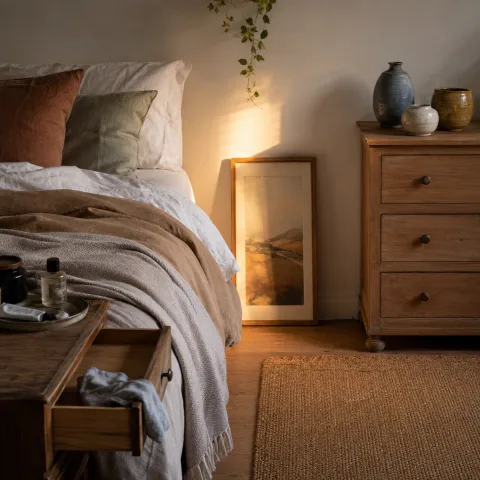
The bedroom had already begun its evening quiet, a palpable lull inviting us to slow our pace and listen. We began with a precise audit of light, fabric, and surface, noting where warmth could be introduced without crowding the room. The window faced a busy street, yet the space felt buffered by curtain weight and a carefully chosen lamp that emitted a steady, forgiving glow. Our intention was not a renovation, but a complete reset through ritual rather than upheaval, a sequence that respects restraint. We prepared a compact toolkit: a dimmable lamp, a wool throw, breathable cotton sheets, and a tidy storage tray. Throughout, we observed how a quiet room can become the primary soundtrack for breath and posture, guiding the body toward a ready state for sleep. If we can remember to map the mood first, the rest follows—textures, temperature, and time to release the day.
Soft-light and quiet air
We started by dimming ambient lamps until the room held a gentle, almost velvet glow that softened corners and kept conversation out of sight. The air felt slightly cooler, but a low-humidity breeze from the open window carried the faint scent of pine and linen. We tested a small fan at the furthest corner to maintain air movement without creating noise or drafts. Throw cushions were rearranged to create low, inviting seats that encourage relaxed posture rather than sprawling distraction. We avoided bright, cool-tone bulbs in favour of warmer tungsten to preserve calm within the sleep window. The result under this banner of soft-light was a room that breathes alongside us, not a stage for display.
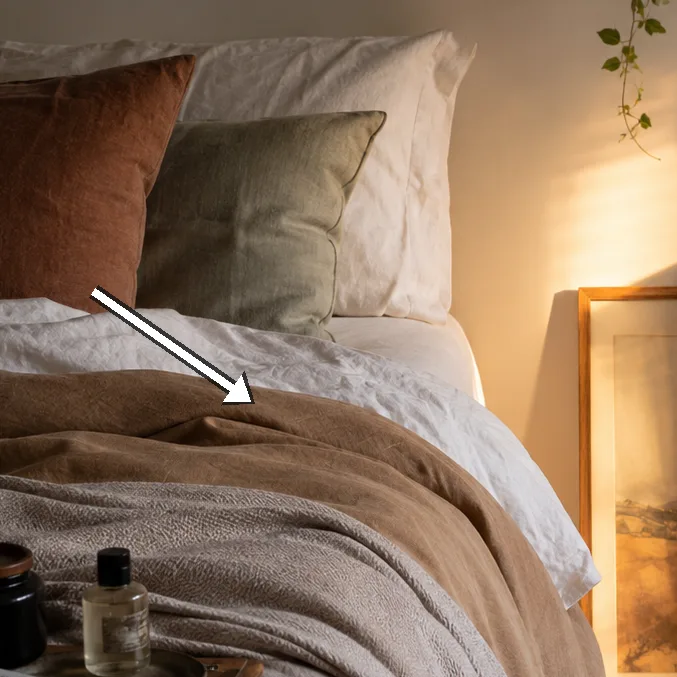
Textiles were added in measured layers to register warmth without clutter. The wool blanket folded across the foot of the bed became a tactile invitation rather than a visual ornament. Cotton sheets were adjusted to glide smoothly, tucking edges with a shallow, quiet grip. We replaced a handful of synthetic cushions with natural-hued throws that soften the silhouette. Each texture was chosen to be breathable and timeless, resisting the lure of fast fashion complications. The bed looked inviting rather than staged, a calm surface awaiting a simple, restorative night.
We tested the balance between openness and cosiness by adjusting pillow count and height. A single night pillow remained underfilled to allow neck alignment without stiffness. We avoided heavy duvets in favour of lighter layers that can be removed without ruffling the sleep. The result was a bed that felt expansive yet intimate, ready for rest but never overbearing. Textile choices were selected with durability in mind, ensuring the scene remains calm after repeated wear. Throughout, colour and texture communicated warmth without creating visual noise.
 Save
Save
Textile rituals for warmth
Evening items lay softly arranged on a dresser, designed to disappear when not needed. We tested a simple rule: every item earns its place or moves to the box. This approach reduced visual clutter, making the room feel larger and more forgiving at night. A calm-handled tray kept reading material, water, and a small notebook within reach but out of sight. We noticed that order translates to slower breathing patterns, which in turn supports easier sleep onset. The textures, height, and colour palette together created a calm stage for the end of day.
We evaluated every textile choice for tactile warmth and visual softness, ensuring that fabrics read as calm rather than loud. The base layer remained uncluttered, with a single colour story that travels across linen, wool, and cotton. We practiced mindful placement to keep edges aligned with the headboard and floor, avoiding any skew that draws the eye away from rest. A modest export of light and shadow—no harsh contrasts—encouraged a restful mood. The room accepted each addition with gentle approval, never shouting for attention. We also tested a lighter throw for spring accessibility and kept the heavier piece for winter beam escapes.
We tested a simple rule: every item earns its place or moves to the box. This practice reduced surface noise and provided a calm map for dawn. The textiles offered breathability and warmth in equal measure, ensuring comfort without bulk. We avoided excessive textiles that could overwhelm the space, preferring a few high-quality textures. The result was a room that feels composed, inviting gentle movement and sleep. The textures were selected to endure, to remain calm without looking repetitive. The eye can rest on what is present rather than counting what is missing.
A pocket of sound and stillness
 Save
Save
We turned away from intrusive electronics, choosing a pared-back soundscape of room tone and distant traffic. A single ceramic bowl on the nightstand produced a soft, non-abrasive click when moved. Breath and footfall became the main rhythms, guiding posture and depth in each exhale. We maintained a quiet volume in the room to preserve the sensation of spacious calm. The window, slightly ajar, carried a cool night air that settled the shoulders without shivering. This deliberate acoustic boundary prevented wakefulness from creeping in as soon as eyelids closed.
A small oil diffuser released a subtle cedar note that felt grounding rather than overpowering. We timed the scents to shift with sleep readiness, avoiding anything too energising after dusk. A soft rug underfoot provided warmth when leaving the bed, preventing sudden temperature shifts. We refrained from bright, perfumed bulbs that might interrupt the sense of curfew and calm. The room retained a consistent scent profile, simple and natural enough to be comforting. This sensory limit enhanced focus on posture, breath, and the visual calm of the space.
We documented a quiet retreat from devices, placing phones in a far drawer with clear intention. A notebook remained for brief, restrained journaling before sleep, never extended into screen time. We invited a moment for gratitude, writing three lines about what the day offered. The routine took shape as a quiet ceremony rather than a checklist, honouring pace. Bedside lighting softened further, with a small dimmer set to low and even. The resulting stillness let the mind settle, like dust in a sunbeam, finally ready for sleep.
“This deliberate acoustic boundary prevented wakefulness from creeping in as soon as eyelids closed.” — Mira
Storage as a daily ritual
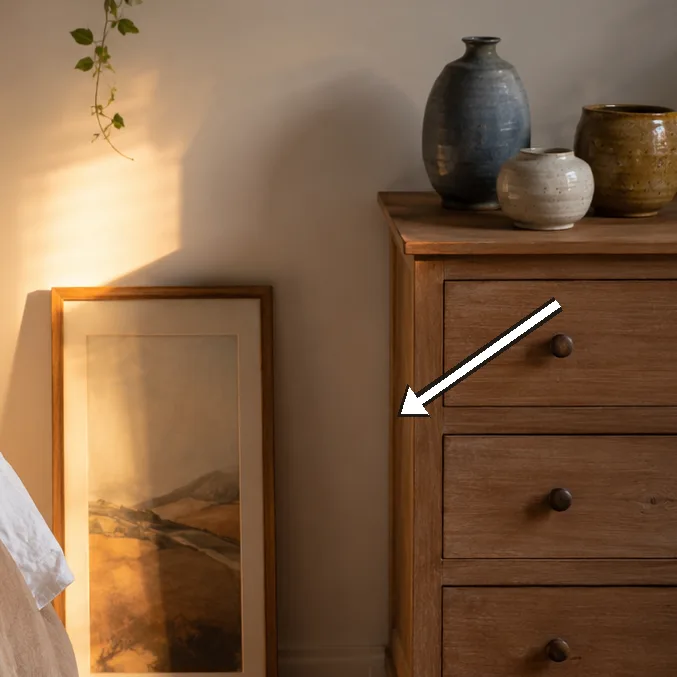
Storage became a decision-making ritual rather than a dumping ground, aligning daily needs with quiet mood. A small lid box hid spare cosy socks, a spare notebook, and charging leads. The lid remained closed most of the day to guarantee a clean surface on waking. We photographed the result simply by keeping a single tray visible on the dresser. Within the tray, honesty respectful of layout replaced excess, and items moved at most once daily. The rhythm of tidy storage aligns a morning routine with a calmer, more predictable start.
 Save
Save
We evaluated every item’s necessity, asking if it would still matter at dawn or dusk. Unneeded objects retired to a box, freeing up air and attention. The room therefore felt taller and more deliberate, as if breathing with fewer anchors. We tested the limit of surface utility — nothing superfluous, yet everything within reachable memory. This practice translated into calmer mornings, when the desk is cleared for work and for rest. The archive of small decisions formed a steady backbone for daily life.
A second shelf hold forced items to a height that remains visible yet unobtrusive. We avoided bringing in new clutter until a clear purpose justified it. This mindful receiving kept the room feeling designed rather than drifting toward mess. The act of sorting became a small ceremony in itself, changing mood through focus. The outcome was a bedroom that holds itself together, even after late-night arrivals and early alarms. We kept testing until the balance felt inevitable, a quiet architecture of order.
- Choose less, keep more: designate core essentials only
- Archive daily decisions as a routine, not a task
- Use closed storage to visually calm the room
- Maintain sightlines by elevating or tucking away clutter
- Review weekly to preserve intentional space
Closing glow and bedtime routine
The final stage of the room’s reset is a gentle glow that signals the body to slow. A single lamp casts a steady halo, and the textiles are aligned to invite warmth without crowding. We take a slow walk around the bed, smoothing edges, aligning cushions, and listening to the breath settle into a deeper tempo. Temperature remains balanced, never sudden, never oppressive, just a soft invitation to release. Our hands fall naturally to the sheets, and the world narrows to the cadence of quiet eyelids. The bed remains a sanctuary, not a stage; a place to dream with intention rather than drift into sleep. The glow lingers like a friend at the door, patient and respectful of the night.
We encourage a short wind-down that honours the senses we have slowly tuned. A note of gratitude is written, three lines at most, before the light finally fades. The diffuser stops short of overpowering scent, choosing instead a gentle memory of pine and wool. We place the notebook back in the tray and turn attention to breathing—inhale for four, exhale for six, letting the room do the rest. The ritual ends with the door closed softly, a final whisper of calm that keeps the day’s noise outside. Sleep comes quietly when the mind has learned its own pace.
In these moments, the bedroom becomes a compass rather than a container for chaos. We reflect on the day’s small, deliberate choices and recognise how they translate into rest. The room holds its shape through night and morning, a steady frame for sleep’s slow return. We wake gradually not by alarm but by the room’s own life, a soft invitation to begin again with intention. Slow, careful choreography has not only improved the night but also the next day’s start. This is the calm we set out to find, careful and complete.
How to do it
Assess the room
Take a quick visual survey of light, air, texture, and surface. Note any imbalance that might wake the body or mind.
Set the light
Dim ambient lamps to a warm, single-source level. Avoid multiple bright sources and maintain a noise-free environment.
Layer textiles
Add base, mid, and throw textiles with intention. Ensure edges align and textures complement each other rather than compete.
Close the ritual
Complete a wind-down sequence: breathe, note gratitude, lower lights further, and prepare for sleep without screens.
Common mistakes to avoid
Overloading the nightstand
A cluttered surface creates visual noise and fragments attention. We find it useful to designate essential items only, keeping the rest out of sight until morning.
Forgetting a wind-down rhythm
If we jump straight from activity to sleep, the body misses a signal to release the day. Establishing a simple routine—breath, light, touch—helps transition.
Ignoring airflow
Stale air can disrupt comfort and sleep onset. A small fan or a gentle window draft balances temperature and humidity without creating noise.
Frequently asked
Is this approach suitable for small bedrooms?
How long does the reset take?
Do you need expensive furnishings?
What about couples with different preferences?
How can you maintain the calm over time?
Is scent essential?
What is the role of the standfirst in this piece?
How can I adapt this to a larger space?
In closing
If the day asks for speed, the night asks for precision. In slowing our pace, we discover how a room can teach us to release, breathe, and return to ourselves with clarity. The calm we cultivate here travels beyond the bed and into morning decisions, shaping a daily life that honours quiet as a resource rather than a luxury. This field report is not a blueprint to copy but a reminder to listen for what the space wants to inherit from us: less, that more may arrive; gentleness, that sleep may arrive more readily.