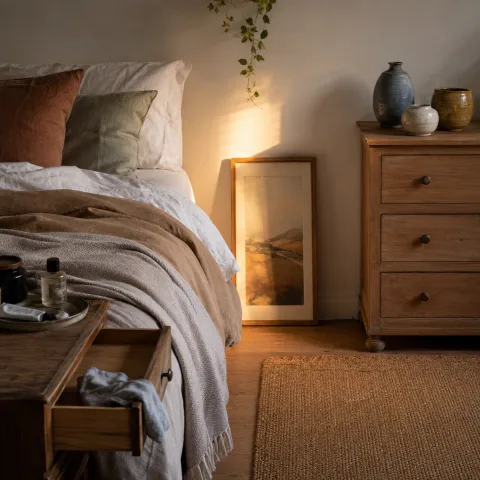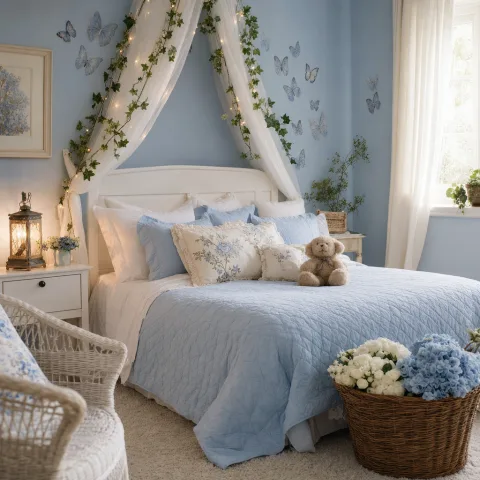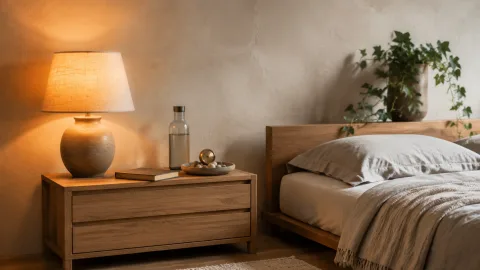
On site we observed a bedside surface in its natural context, noting how people reach for essentials and how fatigue shapes attention. The goal was to create a calm, functional station rather than a decorative vignette. We carefully matched height and reach to the bed, avoiding crowded layouts. Materials chosen emphasise warmth and tactility, not flash. We tested light, texture and the rhythm of a simple wind-down, letting each choice inform the next. This field report unfolds the reasoning, the real-world constraints, and the lived results of a small but sustainable bedside upgrade. In slow interiors, restraint becomes an instrument for better sleep.
Design principles for a calm bedside surface
Scale is king on a bedside table. We measured the space beside the bed and resisted the urge to overfill. A single tray, one lamp and a couple of tactile details kept the surface legible in the dark. Objects were chosen for usefulness rather than novelty, and their shapes were rounded to catch the eye softly. The overall composition reads as a prepared pause before sleep, not a display cabinet.
Height relative to the mattress matters more than decoration. We positioned the lamp so the warm pool of light falls just above eye level when seated up in bed. A shallow tray keeps essentials within a natural reach without inviting clutter. We avoided cords in sight, bundling them along the back edge where possible. A clear sightline to the edges reduces wakefulness and supports a smoother drift toward sleep.
Texture contributes to calm through touch as well as sight. We introduced natural linen, a matte ceramic mug, and a lightly patinated wood tray to emphasise tactility. Each item has a gentle edge, avoiding sharp corners that interrupt the sleep zone. We kept finishes matte rather than glossy to minimise glare in low light. The result is a surface that feels more like a designed pause than a showcase.
Lighting choices that nudge the body toward rest
 Save
Save
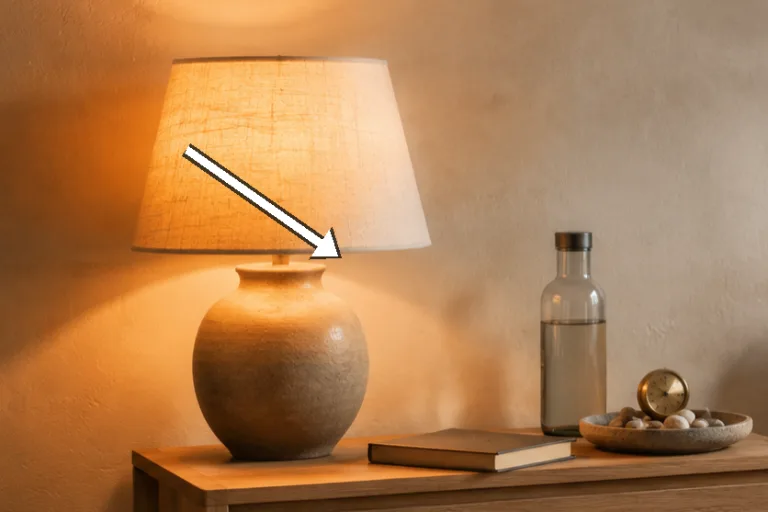
We tested lighting that nudges the body toward melatonin, not blue-light stimulation. A single table lamp with an amber glass shade was set to around 2700K, dimmable to about 20-30% after sunset. The glow is soft enough to see clearly, but never harsh enough to demand attention. We avoided strikey LEDs and flicker by using a shade that diffuses the source. The aim was a comforting pool of warm light that remains in the periphery of vision rather than a focal point.
Light placement influences sleep perception. We placed the lamp slightly to one side so the beam travels past the edge of the bed rather than directly into the face. With the lamp on a timer, the light fades gradually to mimic a natural sunset. The effect is a cue that sleep is approaching without feeling ceremonial. We tested keeping the night-stand clear of other sources to reduce mental reminders of tasks. The practice reduced awakenings caused by abrupt illumination.
Manual control vs. automation mattered as much as the quality of light. A small dimmer switch provided instant adjustment without unlocking a phone or tablet. We introduced a simple routine: dim at 9pm, switch off by 11pm, and return to a very low glow if a person needs to reach for a glass of water. Colour temperature remained constant to avoid perceptual shifts that could wake the brain. The approach kept sleep cues predictable and soothing rather than technical.
Textiles and touch that signal winding-down
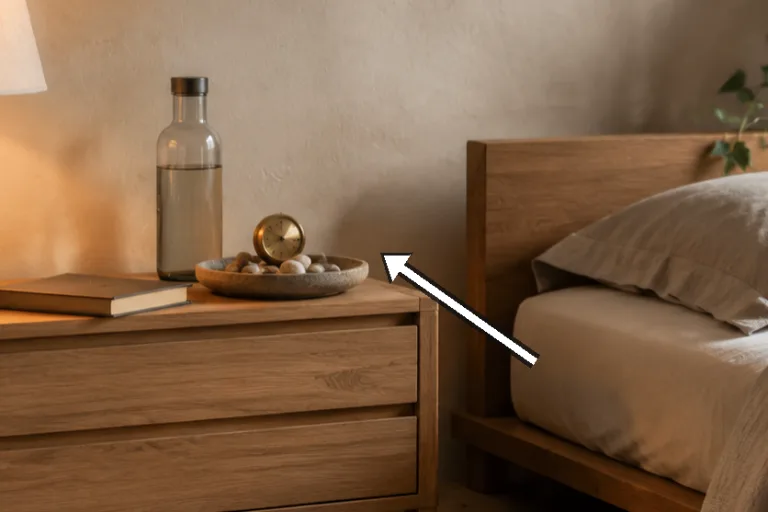
Textiles are a language of calm when used with intention. We tried linen and cotton in neutral colours that read soft in lamplight. The fabric scale on the table needed to harmonise with the bedspread rather than compete with it. We avoided high-contrast patterns that might ping the senses in the dark. The aim was to evoke a gentle texture-forward moment of pause rather than a deliberate styling statement.
 Save
Save
Texture can invite the hand to rest, which can calm the mind. A cushion in natural linen and a small wool throw draped over the chair nearby offer tactile anchors without dominating the surface. The grain in wood and the matte finish on ceramics catch light in different ways, adding depth instead of glare. We tested a single, smoothly finished ceramic cup that also serves as a practical water container at night. The overall effect is instant touch comfort without visual noise.
Materials should age beautifully, not become outdated. Over the days we observed how living with the pieces affects the mood of the room. The natural fibres soften with use, while the ceramic gains subtle specks of fingerprint patterns that tell a quiet story. We avoided synthetic blends that feel cool to the touch in high humidity. Keeping to a restricted palette helps the eye rest. Quiet refinement comes from honest materials used with discipline.
Storage ideas that stay out of sight
Storage on a bedside table should feel liberating rather than obstructive. We chose one small tray and a single closed box to replace deeper drawers. Inside sits a pencil, a notebook, and a spare battery — items kept only to support a calm wind-down routine. Each container has a soft-lidded opening to avoid loud clicks in the night. The principle is simple: everything visible is intentionally chosen and nothing more.
Daily maintenance is part of the ritual. We tidy the tray at the end of each day, returning things to their places so nothing feels like a task when you reach for it. A notepad lives in the box for quick jotting, while the pen rests in a small ceramic cup to avoid scattering. We tested a shallow, charcoal tray that recedes visually in low light. The approach keeps the surface uncluttered and easy to reset before sleep.
 Save
Save
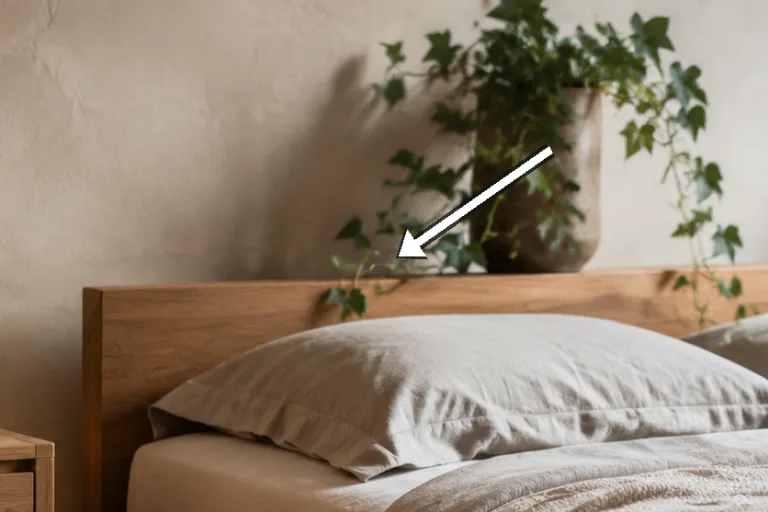
Rotation helps prevent sameness from turning into stagnation. Periodically we review each item for function and joy, removing anything that no longer serves rest. We found that swapping out a vase or a small plant occasionally renews the surface without adding noise. A few changes over weeks can preserve calm without becoming a chore. The end result remains a place of quiet, not a cabinet of curiosities.
- One simple tray for essentials
- A concealed box for overflow
- A notebook for wind-down thoughts
- A water cup to avoid waking the room
- A small plant for life without fuss
Personal rituals that anchor sleep
Personal rituals anchor sleep by creating predictable endings to the day. We started with a short wind-down sequence that begins as soon as we turn off screens, then moves toward tactile comfort on the bedside surface. A glass of water, a note about tomorrow, and a slow breath practice became the core trio. The lamp remains on a low setting, not overpowering the room, while the desk pad is closed and quiet. The ritual is not about perfection but about presenting the body with a familiar cue that rest is near.
Consistency over cleverness guides our choices. We fixed the same arrangement each night, then amended gradually when needed rather than all at once. The notebook becomes a soft ritual: write three lines about the day and leave the rest for tomorrow. The pillow and the throw contribute to a sense of cocooning, which helps the mind bow out of alertness. If a misstep occurs, we revert to the simplest configuration that provided comfort.
Finally, the tone of the room itself matters as much as the objects on the table. We learned to trade flashy, fast-moving decor for materials that feel honest and timeless. The bedside becomes a tiny stage for calm, a small retreat stitched into the bed’s edge. The practice translates beyond the surface, guiding how we approach sleep and morning light. In slow living, restraint is the tool that makes space for recovery.
How to do it
Audit the current surface
Measure available width, depth and clearance to the mattress. Photograph the space, note how you use it at night, and identify what is truly essential. Decide what can be removed immediately and what can be stored elsewhere. Use the measurements to sketch a simple layout.
Select the core set of pieces
Choose 3–4 items that offer function and comfort. Each piece should justify its presence, whether for lighting, hydration or reflection. Avoid items with busy patterns or screens. Consider materials that feel calm and authentic to the space.
Arrange for easy reach and quiet edges
Position the lamp so light softens the room without hitting the sleeper's face. Keep the edge clear for safe, unhurried reaching. Bind nearby cords to the back using clips or channels to prevent tangles. Check sightlines when lying down to ensure nothing distracts the eyes.
Establish a nightly routine
Develop a short sequence that signals the body to unwind. Keep it consistent every night, with minor flexibility for unusual schedules. After turning off the main light, allow a few minutes of stillness before sleep. Record any observations to refine the routine over time.
Common mistakes to avoid
Too many props
A crowded table creates visual noise that competes with room darkness. We tried to arrange too many objects and found the eye darting between surfaces. The fix is to pare back to essential items.
Bright, cool lighting
Cold bulbs cause your body to resist sleep. We swapped to warm-toned bulbs and kept lighting close to the bed. The result is a gentler, natural dusk within reach.
Forgetting a resting cue
We neglected a schedule briefly and the mind raced. A simple nightly cue, like a 20-minute wind-down and a consistent lamp setting, anchors sleep.
Frequently asked
Why keep the surface simple?
How much does a calm bedside setup cost?
Can this work in a small bedroom?
What about plants?
Is a wind-down ritual necessary?
How do I maintain the calm over time?
What if I use a digital alarm?
How long should I wind down before sleep?
In closing
Reflecting on the fieldwork, we recognise that a calm bedside table is less about minimal emptiness and more about clear intention. Each piece plays a part in guiding attention toward sleep rather than distracting it. The discipline of choosing materials with warmth and a soft finish makes a practical difference when the room is dim. The surface becomes a companion for the mind as it settles, not a reminder of tasks. In slow-living interiors, restraint creates room for recovery, and the bedside is a quiet laboratory proving the point. Small changes, repeated over weeks, accumulate into a gentler night. The project remains ongoing, inviting readers to test and adapt.