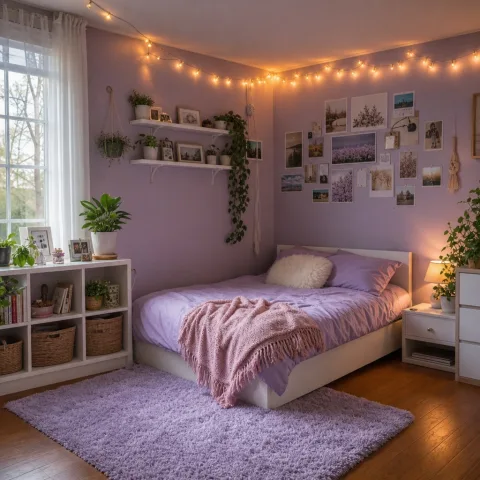
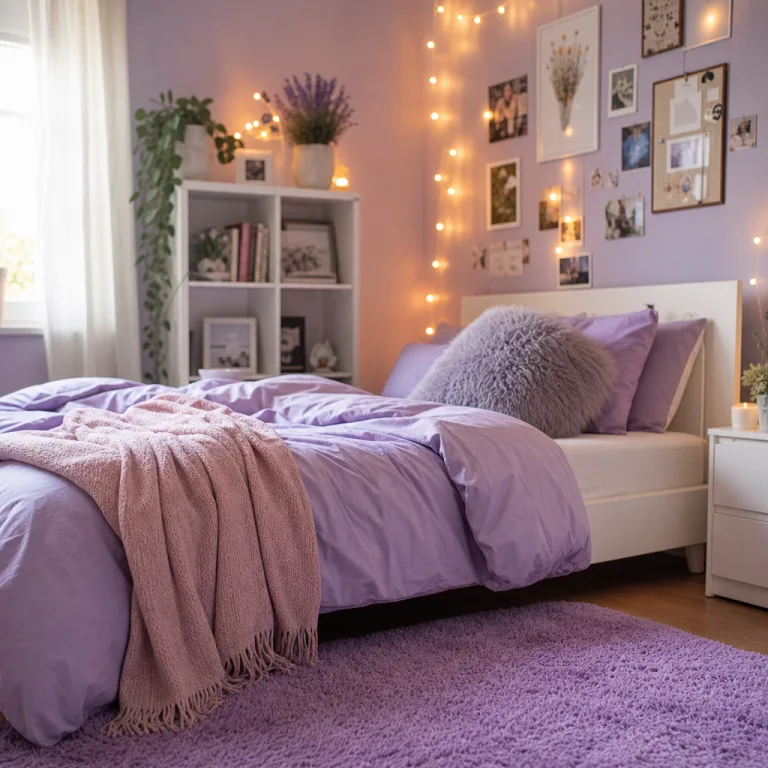
In this field report we explore a lavender bedroom oriented toward slow living, not maximal display. The walls carry a whisper of lilac, tempered by mineral whites and the grain of oak floors. Linen drapes soften daylight into a gentle, even glow. The bed is dressed with a quilted cover and a single throw, inviting touch without clutter. We note how every surface reduces distractions and invites a few long breaths. The room is deliberately quiet, with the hum of a diffuser and a small lamp as the only audible activity. It feels like a garden room tuned for ten-minute mornings and longer evenings.
A Lavender Blueprint for Slow Living
Rather than chasing on-trend patterns, we start with a lavender-led palette grounded in natural neutrals. The shade works as a soft spine, supporting textures rather than competing with them. We select plain linen, wool, and cotton as the room's primary fabrics to maintain airiness. The lighting is kept diffuse, with white bulbs that mimic daylight changes throughout the day. With the bed as the anchor, the arrangement stays simple enough to evolve slowly over seasons. This quiet framework invites future updates without fanfare.
By layering light-weight layers, we encourage a tactile rhythm: sheet, throw, duvet, and a small wool blanket. Each element adds height, depth, and a sense of invitation without crowding the bed. We choose a crisp white for the base and a soft lavender for the secondary hue. The result is a bed that looks settled, not staged, and endlessly coaxing to curl up. The room remains adaptable, inviting subtle changes as tastes and seasons shift. In practice, this means a bed that ages gracefully rather than exhausts its appeal. The arrangement supports quiet mornings and unhurried evenings without demanding constant attention.
Storage remains discreet: baskets, boxes, and a shallow bench keep necessities near without shouting for attention. The goal is a calm surface and a sense of order that feels earned. We avoid visible clutter by assigning functions to each piece and resisting new purchases. This discipline supports the room's slow-living ethos and invites stillness. Even small changes, like a tray on the dresser, become mindful rituals. The approach honours the room's quiet geometry and invites gentle reconfiguration over time.
Scent, Light and the Rhythm of Sleep
 Save
Save
Fragrance is integrated as a soft companion rather than a primary feature. A diffuser releases a faint lavender-mint note that lingers without becoming overpowering. We keep the diffuser on a timer to avoid scent fatigue and to preserve the room's quiet. In daytime, the scent helps to mark pauses; at night, it becomes a familiar anchor. The careful control of aroma makes the ritual of entering the room feel like a gentle invitation. It is subtle enough to be felt rather than announced. The overall effect is a sense of welcome as opposed to a perfume burst.
Lighting is dialled to support circadian flow: daylight comes through a sheer curtain, then the bedside lamp glows amber as the sun sinks. We avoid bright glare by choosing frosted glass and a narrow shade. A dimmer is set to ease transitions from activity to rest. The aim is a room that breathes with the hours, not one that shouts in the afternoon. We measure light by the way it edits perception, not by how brightly it shines. This approach keeps the space legible and comfortable at every hour.
Textile sampling is integral: swatches are compared against wall colour, then tested in daylight and lamp light. We favour matte finishes and natural fibres that soften sharp edges and provide warmth. A single throw against the end of the bed becomes a focal, rather than a distraction. We keep the surface clean so care remains a gentle ritual. When colour feels coherent, the room seems to learn our mood and respond to it. The process becomes a quiet dialogue with light and time.
Textiles with Quiet Confidence
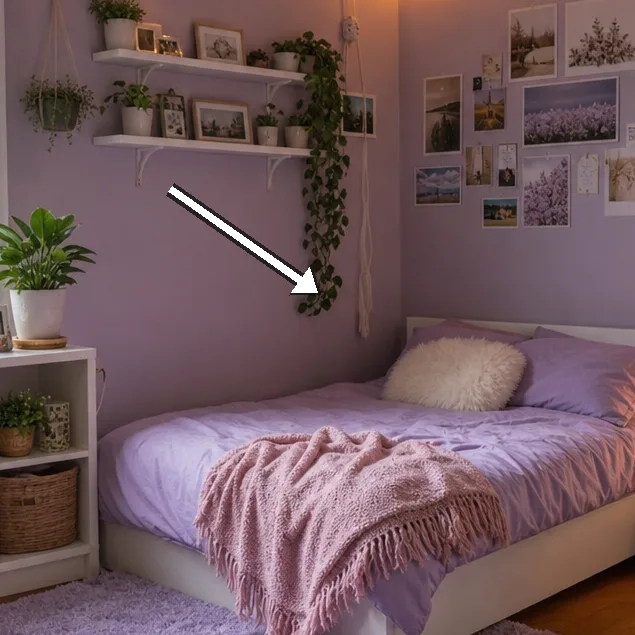
Fabric choices anchor the room's mood and set expectations for daily life. A linen duvet cover holds creases with dignity and washes well. Cotton sateen sheets add a whisper of sheen without brightness. Wool blankets provide warmth and texture that invite touch. The handfeel matters as much as the look; we test weight, drape and resilience before purchasing. Only then does longevity become part of the decision.
 Save
Save
Colours stay restrained: lilac, dove, and warm stone create a cohesive, quiet field. We avoid neon accents and instead rely on depth within the same family. Repeats of the same hue in cushions and bedding pull the eye in a gentle loop. The room feels larger because there is breathing room around each textile. We see the textiles as scaffolding for calm rather than visual clutter. This clarity matters as daily life grows.
Soft furnishings are chosen for longevity, not novelty, and stored responsibly when not in use. A small bench at the foot of the bed doubles as a practical surface and a visual resting place. We favour rounded edges to soften movement at night. This restraint keeps the space legible and generous, even after long days. The textiles invite touch and reward careful handling. They become daily companions.
Layout That Encourages Calm
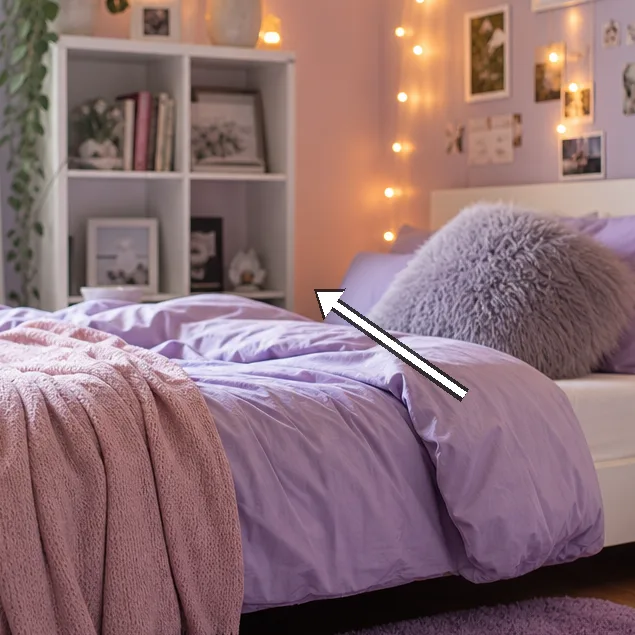
Positioning matters as much as material; the room must invite rest without blocking movement. A clear path from door to bed preserves a sense of calm. We keep surfaces near the bed minimal so the eye can rest. Fewer corners and distractions help the mind slow down when entering the space. Each element is deliberate, chosen to ease the transition from waking to sleep. That simplicity supports spontaneous meditation or quiet reading.
A small nightstand holds only essentials: a book, a lamp, a single candle, and a glass of water. The restraint makes night rituals feel intentional rather than hurried. We favour a compact, softly lit setup that signals end of day without shouting. The bed becomes the room's natural anchor, and the rest of the furniture supports rather than competes. A calm arrangement reduces decision fatigue at bedtime. It also helps guests relax quickly.
 Save
Save
Surfaces are kept uncluttered: a single tray for odds and ends helps order without stiffness. A well-placed mirror can reflect light and expand perception, not echo clutter. We avoid busy patterns on the walls to maintain visual stillness. Calm comes from restraint and predictable routines. The result is a room that breathes and offers a quiet pause before sleep. Every day, the same quiet works as a reminder.
- One well-defined focal point in lavender
- A balance of natural fibres
- Diffused lighting to avoid glare
- Clear surfaces and storage
- Seasonal textiles kept close to hand
Maintaining the Mood Day by Day
Maintenance is part of the practice: dust settles slowly when surfaces are close to natural materials. A weekly wipe of timber keeps the room luminous and honest. Linen only needs air, but a little care extends its life. We schedule seasonal refreshes to avoid fatigue and keep intention fresh. The care routine becomes a ritual that honours stillness rather than mere upkeep. The discipline becomes a quiet act of respect for the space.
Seasons shift the lavender's intensity; we adjust textiles to match the mood rather than to chase trends. In winter a heavier throw adds warmth; in summer a lighter cover breathes. The same loom of approach guides purchases and swaps. Slow living becomes a habit, not a destination. We document small changes to remember what works and what fades. The careful record-keeping keeps memory as a design tool.
Finally, we document what works and what fades, so the room remains legible and alive. A short note on each season's update keeps the routine gentle. We celebrate stillness as a practice of daily care. This is not a showpiece but a space that grows with us. We finish with gratitude for the way a room can teach us to breathe. Each revisit confirms the value of ongoing care.
How to do it
Choose a lavender-led colour base
Start with a single wall or fabric tone and then match textiles and lighting to that hue.
Layer textures deliberately
Combine linen, wool and cotton in varying weights to build tactility without clutter.
Calibrate lighting for day and night
Install a dimmable warm-light source and diffuse daylight to keep the mood steady.
Establish a simple routine
Create a 15-minute wind-down ritual around the bed to reinforce slow living.
Common mistakes to avoid
Overloading the palette
Overloading the palette with saturated purples and clashing prints pulls attention away from calm. Instead, lead with one lavender tone and keep the rest of the room in muted neutrals.
Neglecting natural textures
Natural fibres invite touch and warmth. When textures feel synthetic, the room loses its slow-habits and becomes visually flat.
Ignoring scale and seating
Scale matters: a heavy bed can dominate a small room, while a slim dresser can feel insubstantial. Include a single low chair or pouffe to slow the eye and invite pause.
Frequently asked
What defines a lavender bedroom?
How can I avoid over-saturation?
What textiles work best?
How long does this take to implement?
Is lavender scent essential?
What about storage?
How to maintain the mood across seasons?
What if my space is small?
In closing
As we leave the lavender bedroom, the quiet remains. It is a reminder that slow living is a practice of making room for breath, not a single design statement. The space teaches restraint, and restraint, in turn, makes room for daily wonder and restful nights. We carry the memory of this room into our own spaces, where small choices multiply into calmer days.