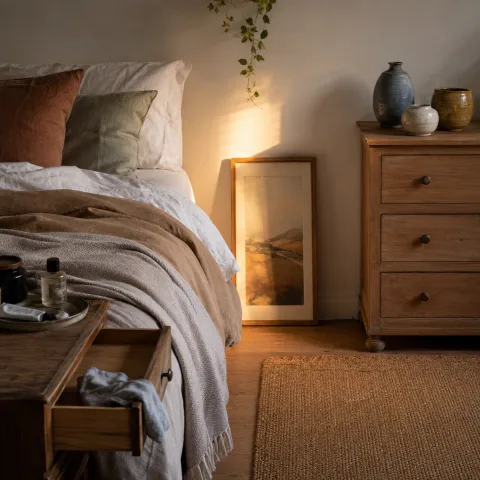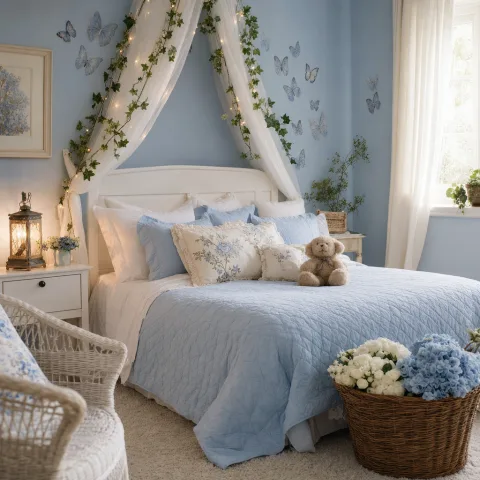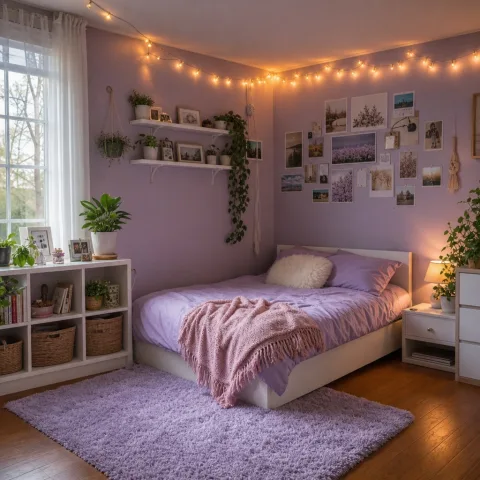
Entering the bedroom, we notice how the soft yellow of the curtains glows against a pale plaster wall, catching the light and shifting with the day. The bloom motif repeats in framed prints, a few fresh stems in a low vase, and the faint sheen of a linen duvet that invites touch. We measure scale with a careful eye, noting how the bed occupies the room without feeling heavy, and how the floor plan remains generous yet efficient. Natural daylight warms the textures, while the scent of citrus and dried flowers lingers from last night s diffuser, a reminder that small rituals shape atmosphere. We set down notebooks and frame by frame assess how each element supports a calm, slow rhythm for waking and unwinding. This calm becomes a reference point, something we hope readers can adapt to their own spaces with modest, disciplined decisions. Our aim is to document not just how a room looks, but how a room exhales, inviting occupants to exhale with it. We begin to imagine the bedroom as a practice, a tiny sanctuary that travels with the seasons and the rhythms of daily life.
A room that breathes: soft yellows and botanical prints
Entering, we sense a calm energy born from a restrained palette and intentional pattern, and we pause to listen for the soft sounds of fabric meeting air as the window shifts with the breeze. The walls read a warm, buttered-linen tone that shifts with natural light throughout the day, never slipping into flatness or harsh contrast. A framed herb drawing and a pressed-plant collage repeat the garden motif without shouting, each piece deliberately chosen for its quiet contribution. The bed wears a pale-yellow duvet with a lightweight cotton cover that breathes in warm weather and gains character with each wash. An oat-coloured wool rug cushions the feet and anchors the bloom across the room, its fibres inviting a slow, thoughtful pause at the end of each day.
Rounded forms soften the room: the nightstands are ash with a matte finish that lingers softly in the eye, catching incidental light and throwing it back in a clean, unobtrusive way. A pair of ceramic tumblers, a glass water carafe, and a small planter sit within reach of the pillows, each object chosen for a quiet use that supports routine rather than decoration for decoration . Linen curtains diffuse the daylight, letting us feel the morning without glare, while the scale remains respectful of the room s proportions. The shelves stay shallow and objects stay deliberate, so the bed and rug read as a single bloom resting on a quiet landscape rather than a dense cluster of furnishings. We notice how the alignment of pieces fosters easy movement around the bed, with clear sightlines and gentle negative space.
Soft textures reinforce this calm: the duvet weight feels comforting, the wool rug absorbs footfall, and a knitted throw at the foot of the bed invites touch and warmth. The textile mix is intentionally quiet, with no overpowering pattern to distract from the bloom or the light. A small vase holds daisies or babyreath, releasing a clean, mild fragrance that enhances the sense of nature indoors. We note that upholstery remains easy to wipe and repair, a practical choice for long-lasting calm in a frequently used room. The lighting plan stays gentle and practical, with no single piece shouting for attention, allowing the bloom to emerge from rather than compete with the light.
Lighting that glows through linen
 Save
Save
Natural light dominates the morning hours, slipping through sheer linen panels that cut glare while keeping the room bright and airy. A window seat cushions the sunlight with a pale yellow cushion that mirrors the bed's tint, creating a cohesive glow that travels across the fabric and paints the walls with warmth. In the afternoon, the curtains soften the sun into a warm glow, turning walls into a gentle canvas for quiet contemplation. We spot a small brass lamp on the dresser for evenings, its shade angled to avoid direct glare and to cast a restful pool of light over a book or a glass of water. The window itself becomes a central design feature, framed with care and often left open to invite a breeze and a sense of airiness.
Bulbs are warm-colour LEDs, rated at 2700K, chosen to mimic late-afternoon sun even at twilight, so the room retains a soft continuity from day to night. The bedside lamps have slender stems and a soft-glow shade in pale cream, so reading content remains easy without causing fatigue. The switch from day to night is subtle, with dimming kept smooth and controlled, ensuring a gentle transition rather than a dramatic shift. We avoid harsh overheads, letting the bedside lamps be the primary evening circles of light, and we observe that the room reads softer as twilight deepens, the yellow bloom becoming a quiet pocket of the house that invites rest. Evenings feel rehearsed but natural, a private ritual of winding down.
The window frame is painted white and receives a light touch of beeswax to keep warmth and to resist moisture. The room warms evenly, with no hot spots, because the rug and linen fabric absorb and reflect rather than trap heat. We note the ventilation path between door and window remains generous, allowing fresh air on warmer days or when a conversation in the hall invites a breeze. The quiet lighting plan helps the bloom feel approachable, not theatrical, and the balance between natural and artificial light is crucial to preserve the room's calm. We document how lighting decisions alter perceived scale, how subtle shifts can transform a space from awake to restful without removing the bloom.
Soft surfaces and the bloom of textiles
Soft surfaces and the bloom of textiles anchor the room without weight, creating a tactile invitation rather than a sensory overload. The duvet is 220 thread count percale, dyed in a soft lemon shade that remains cool to the touch and slow to crease, maintaining a crisp look even after a night of use. We note that mixed textures keep the eye moving without competing for attention, as different fibres catch and reflect light in subtly different ways. The weave is tight enough to feel durable yet gentle to the skin, a balance that supports daily life and the sensation of calm. We assess how fabrics respond to light and washing, imagining the long arc of care required to keep the mood unaltered over months and seasons.
 Save
Save
Floral motifs appear in prints, carefully scaled to avoid overpowering the room. The pattern repeats on a single cushion and within framed papers, never across large surfaces, so the bloom reads as sculpture rather than a wallpaper moment. The fabric choices lean towards natural fibres: cotton, linen, and wool, each selected for breathability, longevity, and a quiet sheen that catches the eye without shouting. This restraint helps the eye rest rather than roam, letting the mind settle. The tactile quality of each textile invites touch but rewards restraint, so textures linger in memory long after you leave the room.
Care is practical as well as pretty: the duvet cover is washable at 40 degrees, and cushions zip closed for easy removal and laundering. We note the importance of keeping minor spills to a minimum with blotting and a firm yet gentle approach to stain treatment. The closet remains accessible, so seasonal changes can be made without disturbing the calm baseline, and storage choices remain discreet to maintain the minimal aesthetic. In this way, softness stays a lasting feature rather than a temporary gesture. Towelling and drying routines are mindful to prevent fabric wear, ensuring that the textiles age gracefully with use and time.
“This room feels like a quiet garden after rain.” — Mira
Plants that whisper and scent that lasts
Plants are placed where water is easy to manage and light is forgiving, complementing rather than competing with the blooms. The snake plant sits in a corner pot, its upright leaves echoing the clean lines of furniture while contributing to the room s air quality and humidity balance. A fern on the dresser softens the glare from the lamp and adds movement, and a small terracotta pot holds a jade plant that survives neglect with quiet resilience. We notice how each plant contributes to the air and mood, rather than merely decoration, creating a sense of living sculpture that changes with the day.
Care routines are simple: water every seven to ten days, check the soil moisture, and rotate the pots for even growth so light exposure remains balanced across the collection. The jars and drainage dishes stay on a ceramic tray, catching drips and keeping the surface clean and tidy. The presence of greenery subtly shifts the room's scent toward fresh minerals and a hint of earthiness rather than overpowering florals. We observe the leaves catching the afternoon light, converting it into a gentle glow that travels across the walls. The overall effect is calm, almost like a living sculpture that invites touch and contemplation rather than ceremony.
 Save
Save
Soften the edges of the blooms with plant arrangements: varying heights create a vertical garden feel that draws the eye upward without crowding the space. We avoid placing pots directly on the bed frame or rug, reducing spill risk and preserving the room s clean floor plan. The plants stay coordinated with the colour story, with greens that temper the yellows rather than compete. A simple care ritual becomes part of the daily routine, grounding the room's rhythm and giving the mind a quiet cue to slow down. The idea is to invite nature in without inviting maintenance fatigue, so care feels like a mindful moment rather than a chore.
- Limit the colour palette to three yellows and two greens
- Layer texture with linen and brushed fabrics
- Choose natural materials: oak, ceramic, wool
- Keep surfaces clear to let bloom breathe
- Introduce scent with a small candle or diffuser
A few finishing touches that feel like daylight
Accessories are minimal but chosen with care: a shallow ceramic bowl, a narrow brass-framed mirror, and a handful of dried stems in a squared glass vase. The bowl echoes the plant palette, catching the light and offering a place for small objects. The mirror expands the feeling of space by bouncing daylight across the room, creating a sense of continuity between the window side and the sleeping area. We keep cords tucked away and switch to wireless charging to avoid visual clutter, allowing chargers and cables to vanish into the background. These tiny decisions create a sense of quiet, not ceremony, making room for the bloom to breathe and the mind to rest.
Fragrance is quiet and short-lived: a linen spray and a hint of citrus on the diffuser cap, refreshed every few days to retain its light, clean character. We prefer products with simple ingredients and a soft throw of scent rather than a strong aroma that can overwhelm the bloom. The result is a room that remains calm even when a door opens and traffic noise travels through the hall, and we watch how scent lingers differently on cool mornings and warm evenings. The bloom feels integrated into daily life, not a momentary mood board, because scent becomes part of a practical routine rather than a decorative flourish.
Finally, we test daily rituals: making the bed, smoothing the duvet, and configuring the morning light to greet us with a steady, welcoming glow. We learn that time spent on small adjustments becomes a routine with weight, a habit that anchors the day rather than a fleeting moment of inspiration. The yellow glow acts like a cue to slow down, not to rush, a reminder to pause for water, stretching, and a quiet moment of reflection before the day begins. The aim is simple: a bedroom that sustains calm through ordinary days, a nest that travels with the seasons and remains relevant in changing light and mood. The room stays a place of sanctuary that welcomes you home.
How to do it
Survey the room and set a calm brief
We begin by measuring the space, noting headboard height, window position, and traffic flow to ensure the bloom stays unobtrusive and the bed remains the room's anchor.
Choose a restrained palette and textures
We select two yellows and two greens as anchors, then introduce textures in linen, wool, and cotton to create depth without loud patterns.
Arrange lighting and plants for balance
We place lamps at bedside levels, ensure plant heights align with sightlines, and avoid glare during evening use.
Test daily rituals and adjust storage
We run through a week of routines: bed-making, diffuser use, plant watering, and surface clearing to verify that calm persists as a habit.
Common mistakes to avoid
Overloading the palette
A common mistake is using too many yellows and competing prints. The result is visual noise that disrupts calm. Stick to one or two accent shades and repeat patterns with restraint.
Ignoring light control
Relying on overhead lighting alone creates glare and harsh shadows. We prefer diffuse daylight and two small lamps. Always check how the room looks at different times of day.
Forgetting function
A bedroom must read as a sanctuary and as a functional space. Avoid placing the bed too close to clutter or high-traffic doors. Keep essential items within easy reach and out of sight when not needed.
Frequently asked
What makes this bedroom feel calm?
Which fabrics are essential?
How do we maintain bloom without overpowering it?
What is the best room temperature?
Can this approach work in larger rooms?
How to avoid clutter?
Is maintenance heavy?
What should I prioritise when starting?
In closing
We leave the room with a clear sense of how calm can be built through small, repeatable choices rather than grand gestures. The bloom remains present but never overpowering, a daily reminder to slow down and take notice. We suspect that readers will translate this approach to other bedrooms by favouring restraint and care over trend. The result feels timeless yet practical, ready to welcome morning light and evening quiet without demanding attention. In this space, bloom, light, and texture collaborate to create a sanctuary that travels well through the busy week. The exercises of measurement, choice, and routine become acts of care, a quiet discipline that improves sleep and day-to-day life for any room we enter.