Before touching a single textile or lamp, we map the room9s cycle of light and silence, noting where a reader might pause without distraction. We choose a corner reading retreat rather than a display, near the window where daylight lingers longest. Our aim is a space that welcomes a cup of tea, a page, and a breath that slows the evening. We test the idea with a simple chair and a modest rug, then build up gradually as if stitching a small tapestry. The wall colour remains pale and warm so the books speak for themselves rather than fight for attention. We add a lamp that glows softly, adjusting until the glow feels like a natural extension of dusk. Finally, we layer in fabric and texture to invite touch and to pay attention to the body9s memory of warmth. The process teaches us that slow interior making is a sequence of small, deliberate decisions, not a single dramatic change.
Designing the base: seat, surface, and sightlines
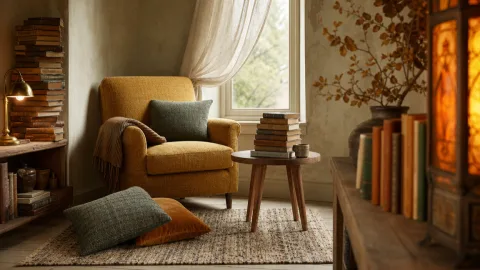
We began by mapping the room's natural angles and light, selecting a corner that could hold stillness rather than bustle. The armchair sits low, with a curved back that invites a long, relaxed posture while pages turn. A slim side table in warm beech nests beside it, just within reach of a mug and a bookmark. We marked sightlines to the window so the view remains soft and unobtrusive rather than a distraction. The initial layout prioritises clean surfaces and a breathing space around the chair, so the eye rests rather than hops around the room. Every item earns its place through function or memory, and nothing feels imposed by fashion.
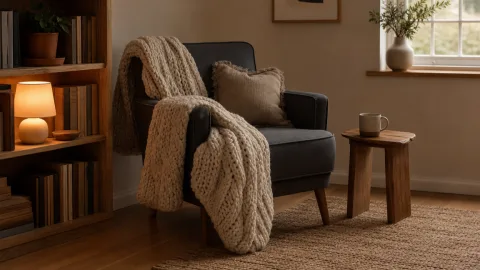
The chair is compact but generous, with a rounded back that supports the shoulders without constriction. We tested different depths of seat and arm height, finally favouring a position that allows the legs to relax. A light throw sits casually over the back, ready to wrap around knees as the evening grows cooler. The rug underfoot is a low-pile wool in oatmeal, lifting the feet and muffling noise. The colour story remains quiet, with warm neutrals that do not scream for attention but invite touch. We note any glare from the window and adjust the chair angle to keep the page legible.
We arrange the side table with only a notebook, a ceramic mug, and a single bookmark. A small brass weight presses the open book to maintain comfortable reading posture. The wall behind is painted a soft, warm grey with a hint of sage to harmonise with the textiles. A shallow basket on a lower shelf keeps reading aids accessible but out of sight when not needed. We resist adding extra decor that could trap dust or demand attention away from the page. The overall effect is a compact, calm theatre for reading rather than a showroom of trend.
Layering light for calm evenings
 Save
Save
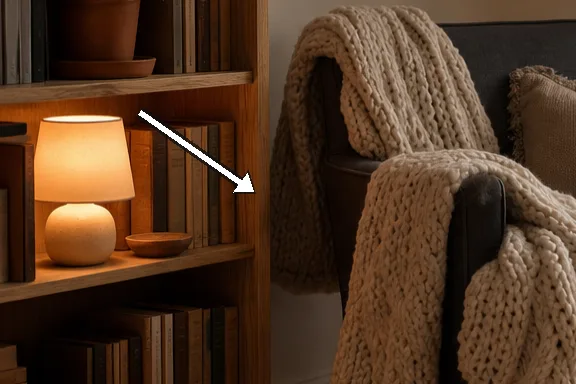
Layering light becomes the second stitch in our project, deliberate and adaptable. We install a table lamp with a warm LED and a soft, hand-turned shade that softens the glow. A small scented candle sits nearby, burning at a low height so the flame does not encroach on the page. Brightness is curated through the evening: from a central pool to a delicate halo as fatigue deepens. We aim for around 2700 kelvin, a light temperature that mirrors dusk rather than mimics daylight. We test dimming and switch control, ensuring transitions feel natural, not mechanical.
Natural daylight continues to work with us during the day, creating soft shadows that soften the edges of the chair. The window becomes a painterly frame rather than a light source that steals focus from the page. We adjust blinds and reflectors to tame glare when the sun slides lower. A secondary glow from the shelf lantern adds a gentle halo around the reading zone. We experiment with the candle height and tea-stain colour on the page, noticing how ambience shifts. The goal remains subtle, not theatrical; the light helps the pages breathe.
Lighting also acts as a cue for pacing, guiding when to sip and when to slow. We keep the candle flame low enough to avoid reflective spots on gloss pages. The lamp shade directs the beam toward the face of the reader, not the ceiling. An occasional burst of candlelight marks the end of a chapter, inviting a pause. We document brightness levels for future evenings so the mood remains a habit rather than an experiment. In this way, lighting becomes a language of time rather than a show of design.
Weaving warmth through texture and textiles
 Save
Save
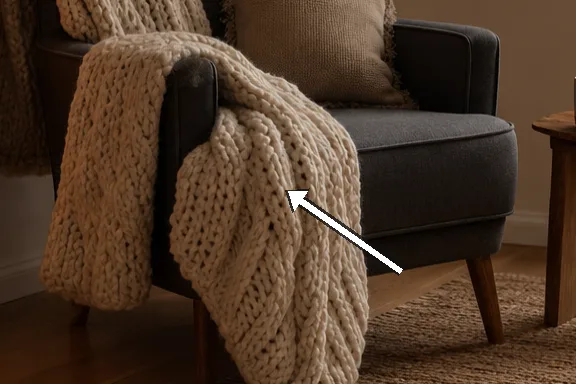
Texture plays the same role as light, shaping comfort through touch and memory. We curate a trio of textiles: a wool throw, a cotton cushion, and a linen cover that softens with use. The knit fabric has a visible stitch and a forgiving pile that rebuilds warmth each time a page is turned. We test arrangement to avoid overly dense layers that trap heat or create a stiff silhouette. The palette leans to stone, cream, and a touch of honey to echo late autumn. The textures speak softly, inviting readers to linger and to touch without distraction.
We place cushions to form a shallow crescent, a small bed for the reader. A boucle throw adds a little structure without rigid form, catching lamplight with depth. A felt basket houses a few bookmarks and a small tin for tea bags. We avoid glossy surfaces, preferring matte finishes that hold warmth in the eye. The textiles accumulate quietly across the chair and rug, creating a tactile map of the space. We watch how hands move from tea to page, noting how fabric memory influences pace.
The textiles also aid acoustics, masking footsteps and the rustle of turning pages. We keep the textiles light enough to breathe, so the corner does not feel enclosed. We compare multiple fabric swatches under lamplight, choosing those that remain soft in colour over time. Evening warmth comes not only from heat but from the cadence of texture against skin. We finish this layer with a linen slipcover that can be refreshed after a season. The result is a hygge-worthy nest that invites prolonged, exploratory reading with ease.
Calm storage and unseen clutter control
Good storage is a discipline, not a concession, so we design the corner to hide distractions. A slim bookshelf sits beside the chair, holding a curated, read-ready shelf rather than a full library. We display a handful of beloved titles facing the reader, their spines forming a quiet rhythm. A low profile tray keeps pens, a bookmark, and the occasional receipt out of sight but accessible. The configuration reads as a retreat, not a workshop bench, and it invites pause. We check that cables are tucked away, allowing the space to breathe and the page to lead.
 Save
Save
Decluttering is a monthly ritual, not a one-off; it keeps the mood intact. We prune the selection to those that signal mood or memory rather than volume. The shelf becomes an evolving pallet, replacing titles as tastes shift with the seasons. A small box hides chargers and other tech, keeping the corner clean and undistracted. A small notebook records impressions of what each book calls forth when read there. The aim is resilience: a space that remains reading-forward, not a museum of dust.
Temperature control helps more than you might expect; warmth must feel constant, not alternating. We micromanage a gentle climate, so the reader's hands stay comfortable during long sessions. A light lavender sachet sits behind the lamp, releasing subtle scent as evenings progress. We consider the tea's aroma and the coffee's presence, ensuring neither overpowers the room. The result is a calm chamber that supports focus and mood without being clinical. We learn that storage and scent together shape the pace of reading more than looks imply.
Evening rituals that anchor slow reading
Evening rituals anchor the space in time and ritual, reinforcing a slower pace. We establish a routine: pour herbal tea, light the night lamp, and choose a single companion book. We begin with a quiet foreword or a brief passage that signals the shift from day to dusk. The ritual is deliberately predictable yet responsive to mood, weather, and energy. We take a breath, scan the room, and notice how the textiles and light feel like an invitation. The practice becomes the moment between the day ending and the night beginning.
Journaling beside the chair becomes a gentle final act, translating atmosphere into memory. We write a few lines about what held attention, or sketch a small scene from a page. A short note to revisit later helps distill the experience into quiet evidence. The notebook stays open near the mug, ready for a sentence or an idea. We avoid turning writing into pressure; it remains a companion activity, a soft echo. The act of transcription extends the reading moment into a small, reflective ritual.
As the night grows deeper, we assess ambience: is the light steady and kind? We adjust the throw so its edge catches colour instead of glare on the page. If the room cools, we pull the blanket closer and seal the space with quiet. We trust the corner to welcome the next visit with calm and familiarity. In this final check, hygge becomes a practice of gentle hospitality toward ourselves. The corner settles over time, becoming a ritual architecture rather than a decorative impulse.
How to do it
Plan the base
Map light, chair, and surface positions; visualise a calm triangle with the window as a gentle horizon.
Select textiles
Choose warm wool, linen, and cotton layers; distribute cushions to form a soft, movable nest.
Layer lighting
Install at least two light sources (lamp and candle) with warm temperatures and adjustable brightness.
Fine-tune with scent and routine
Add a light scent and a simple ritual to anchor evenings and signal time for reading.
Common mistakes to avoid
Overfilling the corner
Overfilling the corner makes reading harder rather than easier. It creates visual noise that competes with the page and reduces perceived calm.
Bright, cold lighting
Harsh white light tires the eyes and destroys the mood. Layer light with warmth and allow dimming to guide pace.
Neglecting storage
Clutter grows quickly if there is nowhere to hide it. A single slim solution helps maintain a quiet surface and a clear mind.
Frequently asked
What defines a hygge reading corner?
How do you balance light and shadows?
What textiles are essential?
How can you prevent clutter?
What role does scent play?
Is it okay to mix styles?
What if the space is small?
How long should a reading corner last in a room?
In closing
Standing back from the corner, we notice how a small set of choices has become a quiet framework for the season, resilient through days that shorten and damp nights that lengthen. The chair, rug, lamp, and textiles hold a rhythm that feels generous rather than prescriptive, inviting the body to settle and the mind to rest. What began as a test of layout has become a daily invitation to slow, listen, and read, a practice that travels with the room rather than waiting for a mood. In making this corner we learned hygge is not decoration but a continuous practice of attention and care applied to everyday acts of reading. We hope the space serves others as it serves us now, a sanctuary to pause before the night fully closes in and a reminder that small rituals can soften time itself.