Setting the scene, we describe a corner that finally feels grown-up enough to slow time. A chair, a small table, and a canopy of fairy lights work together to frame a moment rather than a room. We test the balance of scale, light, and texture, letting each element breathe before the first page is turned. The path to the lamp is deliberate, and the throw settles neatly across the lap with the cushions ready to cradle a reader's posture. Every decision in this field report aims for calm, function, and a touch of delight. The aim is not to decorate but to invite repetition of a small, cherished ritual. In that invitation, we find a quiet confidence in the slow act of reading.
Foundations of a reading canopy
Before hanging any lights, we mapped the corner with a tape measure and trusted eye for balance. The chair we chose is compact, with a gentle, reclined back that invites long sessions without shifting posture. We tested the rug's edge to create a calm boundary that holds the lamp light inside. Drafts were checked, and the window behind the seat softened the air rather than pulling it, an essential factor for evening reading. We refined the layout by moving a small side table to create more elbow room, ensuring the space feels generous, not crowded. The decision was guided by comfort and clarity, not fashion.
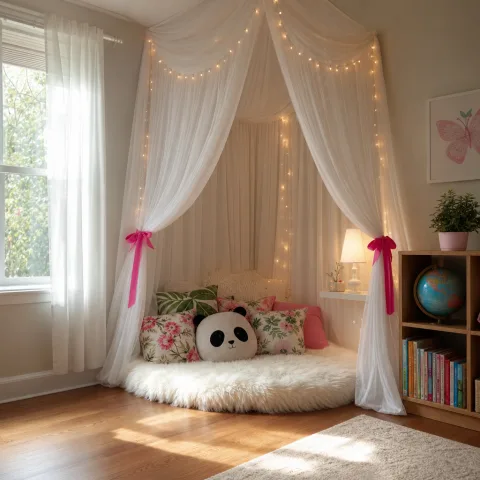
We anchored the canopy with a lightweight, discreet wire fixed to the ceiling and draped a sequence of warm, dimmable LEDs in a loose arc above the chair. The glow spreads evenly across the wood and the textiles, avoiding hotspots that would ruin the sense of calm. The effect is more about mood than brightness; we earned a soft cinema-like aura that keeps details on the page visible. The arrangement is flexible, so we can adjust the arc as the season changes or as our reading choices demand different tents of light. We tested multiple distances from the chair to see how shadows fall on hands and bookmarks, and settled on a position that makes marking up pages easier. The result feels intimate, but never oppressive.
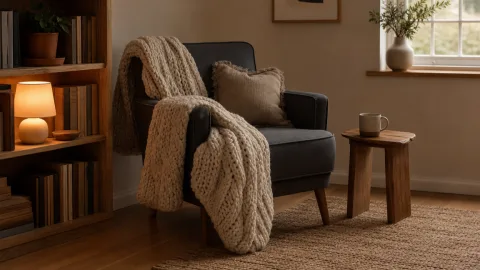
The textiles were chosen to build a tactile retreat: a cotton-cashmere throw in pale oat, a knitted cushion in a warm stone, and a wool underlay to cushion knees. We kept the palette restrained to three hues so the eye rests rather than hunts for colour. Each fabric has a story—how it was made, where it originated, why it feels like a pause button when you touch it. The rug anchors the space, guiding the feet to a slower pace and muffling footsteps that might otherwise interrupt quiet pages. The cushions are positioned to support different reading postures, encouraging minor shifts that keep the spine comfortable. This careful layering makes the nook feel effortless, as if it has always belonged here.
Lighting strategies for a slow session
 Save
Save
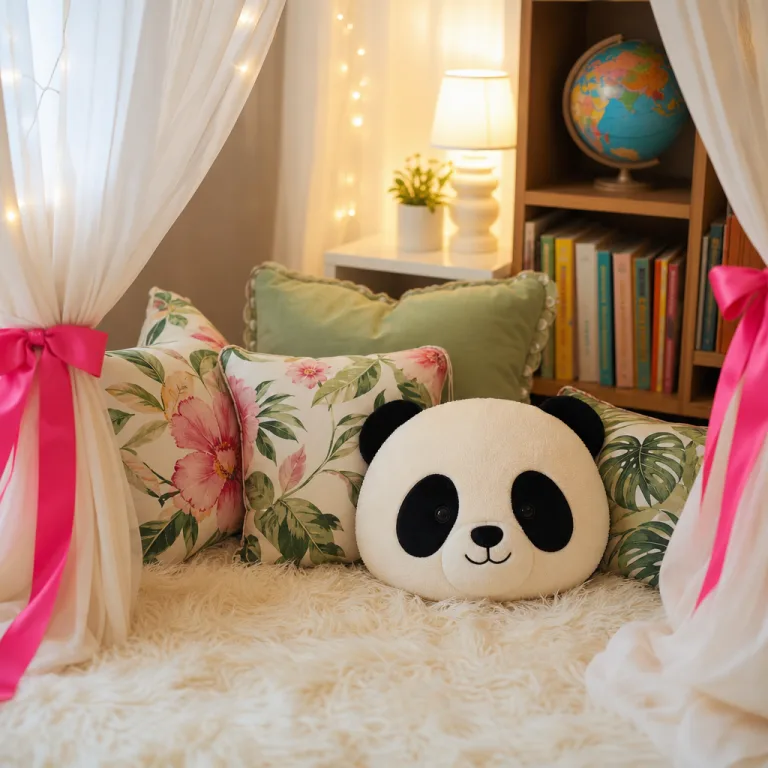
Lighting at reading height matters. We tested two sources: a small table lantern beside the chair and the canopy above, both warm in temperature. We calibrated the dimmer so that the page remained legible without glare on glossy sections or bookmarks. The lamp's base keeps a polite distance from the fabric, avoiding stray heat and shadows that would distract the eye. The arrangement was refined through hours of lingering with a text, noting how the glow settled on edges of type and margins. The result is a balanced glow that feels like a whisper rather than a spotlight.
Diffusion is key: we chose a shade that softens the beam and a shade colour that harmonises with the throw. The canopy acts as a visual barrier that prevents the room from feeling too bright and clinical. With the lights dimmed, the room breathes; the pages catch the light in a way that makes reading feel ceremonial. We avoided harsh patterns on nearby cushions to prevent any busy reflections. The arrangement encourages eyes to rest, hands to settle, and breath to slow—three tiny rituals that support longer reading bursts. The process of choosing diffusion taught us that the glow matters more than the amount of light.
Energy use matters in a slow-living space, so we selected LEDs rated for long life and low heat. The circuit is simple: a single wall switch controls the entire nook, leaving the rest of the living area untouched. We tested for heat on the chair back and found the setup perfectly comfortable over an hour of continuous reading. The overall atmosphere is intimate but not suffocating, a rare balance achieved through restraint. We kept spare brightness available only when a longer chapter or a two-page note demanded it. The space remains efficient without feeling clinical.
Texture and warmth for lingering pages
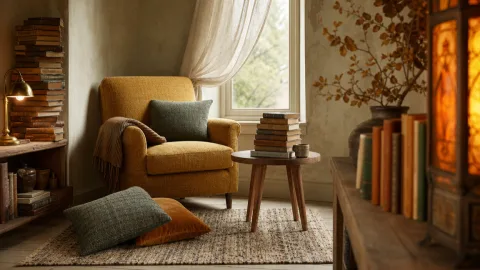
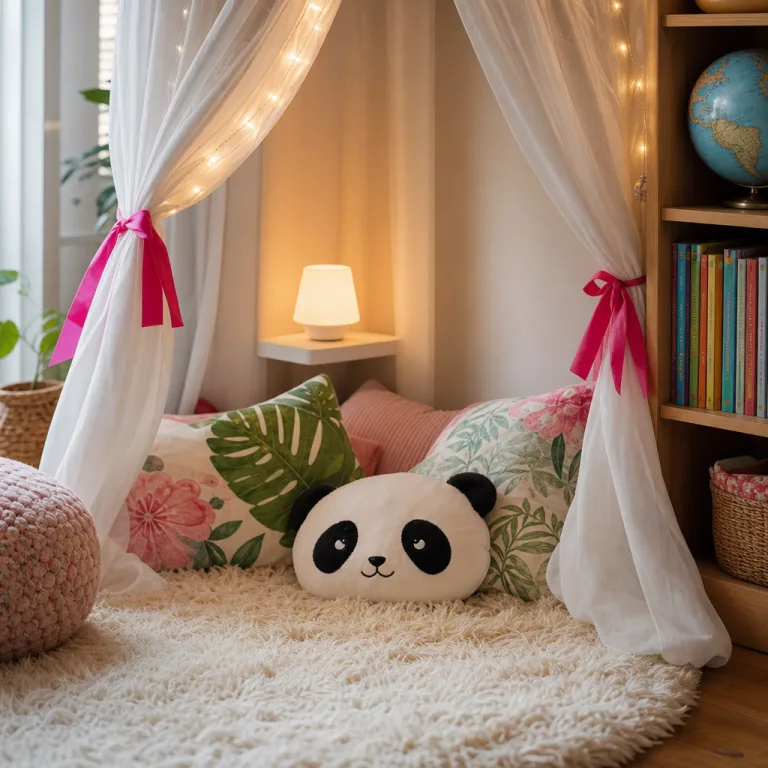
Texture becomes the unsung narrator in a space like this. We layered wool, cotton, and a hint of boucle to invite touch and comfort. The cotton throw slips over the lap and the backrest, while the boucle pillow catches the eye with a subtle sheen. Even without a loud colour, the tactility of the fabrics keeps the eye moving across the surface, encouraging longer moments of pause. The materials invite frequent caress and repositioning, which helps the reader settle into the page. This repetition stabilises the mood and reduces distraction. The textures create a quiet rhythm that reading can follow.
 Save
Save
Colour temperature plays with memory as much as light. The warm-toned LEDs saturate the oat throw with a soft honey hue, while the cushions pick up a cooler grey that provides contrast without strain. When we sit, the space feels both cosy and alive, as if it invites a quiet conversation with the page. We notice how the weave textures catch the light differently as we shift position. The palette remains calm, yet every fabric seems to hold a small story in its fibres. The glow quality becomes a companion, not a distraction.
Even the seating angle is considered like a tiny stage for a reading moment. The nearby shelf offers just enough to glance at without distraction, a couple of titles arranged spine-out for easy retrieval. A small basket holds glasses, bookmarks, and a notebook for quick notes. The arrangement never looks curated; it feels collected and useful, as if the nook has grown into us. We test posture by reclining, then upright, to see how long we can stay without tightening shoulders. The sense of space remains generous, allowing a long, relaxed pace through sentences.
Storage, accessibility, and quiet routines
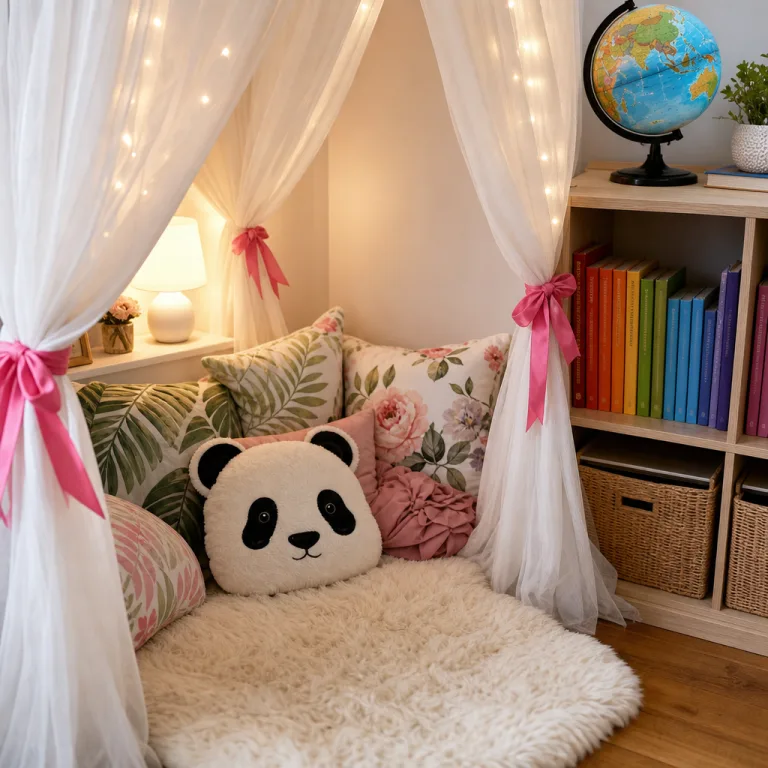
Storage is never far from the mind in a compact nook. We included a shallow, lidded basket under the chair for glasses, bookmarks, and a notepad. A slim wall shelf keeps a single current favourite within reach, so we don't lose momentum between chapters. The objective is to remove friction: if the reader has to stand up to fetch a page, the rhythm breaks. The basket is woven from natural fibres and breathes with the room, rather than feeling like an extra obstacle. Accessibility informs design choices as much as aesthetics. The results feel practical and pleasant at the same time.
Cleaning rituals are part of keeping the mood intact. We vacuum the rug weekly with a low-suction attachment and shake out the throw monthly. The lights require a quick wipe of the shade to avoid dusty glow, and we check the cords for fray to keep the setup safe. Seasonal changes prompt a small rearrangement of cushions to refresh the texture without altering the overall calm. The goal is consistency, not constraint. A tidy nook feels welcoming and ready for a book at any moment.
 Save
Save
Beyond reading, the nook becomes a pause point in the day. We use it for radio-free moments, tea, and a moment to reflect on the day’s small textures—the grit of bread, the kettle’s whistle, the sound of rain on glass. The canopy softens the room’s acoustics, muting echoes that normally travel across the living space. In long evenings, the ritual of choosing a book becomes a small ceremony that anchors us. The moment lingers long after the last page is turned, shaping how we approach the rest of the evening. The space teaches patience, and patience grows quietly, page by page.
Seasonal textures and personal rituals
Personal touches keep the nook humane and lived-in. A notepad by the chair holds quotes from recent reads, a pencil stub, and scribbles from our current favourite margins. A small framed photo perched on the shelf reminds us of who we were when we first discovered the joy of settling in with a book. The materials we selected—natural fibres and soft lighting—work together to invite personal rituals rather than look like a showroom. The routine of choosing a book becomes a quiet ritual rooted in memory. The space feels distinctly ours because such small elements tether us to moments from the past.
Seasonality guides tweaks rather than wholesale changes. In autumn we swap the oat throw for a thicker wool, and we tighten the dimmer so the glow feels more intimate. In spring we open the canopy slightly to invite air but keep the same rhythm of light. The space remains recognisable, only showing new textures that reflect the outside world. We notice how the room breathes with the changing day length and the mood shifts accordingly. This flexibility keeps the nook alive throughout the year.
Ultimately, the cosy reading nook is less about decor and more about practice. It asks for patience, to sit a little longer with a page and notice the world through quieter senses. The canopy of fairy lights acts as a small sun after dark, a gentle reminder to slow down and breathe through a story. We leave with an intention to read more and hurry less, a tiny transformation we notice in every evening. The space has grown into a ritual rather than a room, and that distinction feels like home. In this quiet corner, time slows to the cadence of turning pages.
How to do it
Survey the space
Measure the corner and note the traffic flow to ensure the nook remains undisturbed.
Define the light layers
Choose a diffused canopy and a small table lamp; set a dimmer for flexible brightness.
Layer textiles
Select a throw, cushions, and a rug that complement the palette and invite touch.
Arrange reach and storage
Place a basket by the chair for glasses, bookmarks, and notes; hide cords.
Common mistakes to avoid
Overfilling the space
We avoided cramming the nook with furniture, which would make it crowded. Too many textures can clash; the eye needs rest to settle into a page.
Harsh lighting
A glare breaks concentration and hides punctuation. We kept to warm, diffused light and used a dimmer to preserve contrast on the page.
Neglecting storage
Without a small shelf or basket, the area can feel unsettled after a couple of chapters. We added a simple basket to hold glasses, bookmarks, and journals.
Frequently asked
What makes a cosy reading nook?
What colour temperature works best?
How can I avoid glare?
How much space do I need?
What about storage?
Do textiles matter?
How do you avoid clutter?
Is a canopy necessary?
In closing
Ultimately, this cosy reading nook feels less like a decoration and more like a daily ritual. It adapts with the seasons, yet remains a steady invitation to slow down, breathe, and choose a book with intention. The fairy-light canopy has become a quiet clock for the evening, signalling time spent in with a story rather than time spent elsewhere. In this small corner, we regain patience and let reading lead the pace of our nights.