From the start we knew our bedside surface was failing us: two alarm clocks, a glass of water, a battered notebook, and a paperback that never seemed to find a home. At 42 cm wide and 30 cm deep, the oak table left little room for the lamp, the phone, and the occasional charger. We measured the distance from the mattress edge to the wall at about 60 cm, which felt workable for changing sheets but cruel to any attempt at stacking objects. We tried a couple of shelf lamps perched on the edge, but their cords tangled and their light bounced off the wall, creating glare on every page. Ultimately we began to look upwards, toward the wall, where a swing-arm lamp might breathe space back onto the surface. After a week of trials, we settled on a modular swing-arm with a 55 cm reach and a weighted, quiet mechanism. With that choice, our nightstand finally felt like a stable, calm anchor in a small room.
Reclaiming bedside surface space with a swing-arm lamp
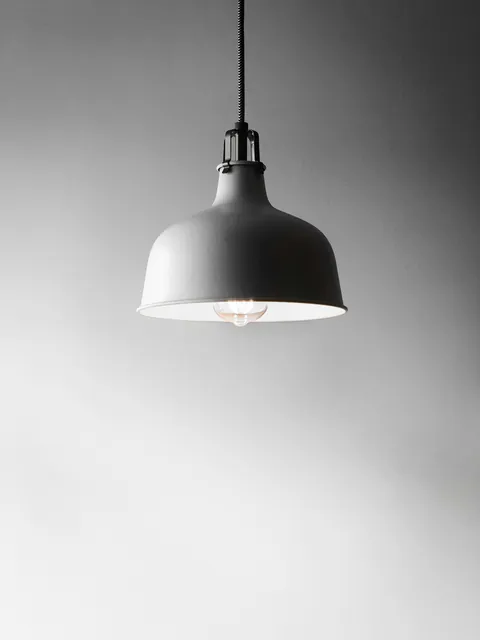
Mounting the lamp required two careful steps: locating a stud and deciding the exact height above the mattress. Before drilling we measured the distance from the top edge of the bed to the wall, so the arm would clear the sheets without snagging the duvet. We settled on mounting the base at 110 cm from the floor, with the arm extending 55 cm when fully swung toward the bed. The lamp head is a matte white, the base a deep bronze that matches the bedside finish we already used. We tested several positions by dimming the light and noting glare on the page, the clock screen, and the water glass.
Weight and mechanism mattered as much as aesthetics; we chose a model with a solid spring and a joint that would hold position. The arm folds neatly toward the wall when not in use, and the head can be angled for either reading or ambient light. We wired through a low-profile channel and fixed a small brass cord cover so the cable disappeared behind the back panel. With the lamp tucked in, the surface opened up enough to fit a notebook, a glass, and a single charging brick with room to spare. On the nights we dropped the phone, a small kettle could stand there without tipping the balance.
Reclaiming space did more than tidy the surface; it changed how we move through the room at night. Now we reach for the arm instead of shifting the nightstand; the light travels exactly where we want it without creating hotspots. When the switch is off, the bed feels calmer and the room breathes more evenly when we lie down. Routines became slower and more deliberate because the light is reliable and the surface uncluttered. This small update reminded us that good design often starts with simple constraints, like a too-full table and a stubborn socket.
 Save
Save
- Choose a lamp with a robust joint and a clamped base that stays put after every daily adjustment.
- Prefer a shade that softens glare and a finish that hides fingerprints so it looks presentable after long use.
- Plan cord management with a discreet channel or clip to keep the path clean and avoid snag hazards.
- Measure reach carefully so the arm clears the bed and still leaves space for a glass and a book.
Ease of use and adjustability
The real merit of a swing-arm lamp lies in how easily the light can be aimed without moving the surface. We tested three positions: a high arc for ambient light, a mid-arc for shorter reading, and a low arc for late-night glances. The arm's reach allowed us to keep the glass and notebook on the table while still delivering direct light to the page. The joint stays in place after a few gentle adjustments, which is essential when you want consistency at 3 a.m. With a single switch and a dimmer, we could shift from crisp reading to warm relaxation without rearranging the room.
Operational reliability mattered: the lamp should feel purposeful rather than fussy. Metal construction gave weight to the head so it did not drift when we turned the page. The on/off switch was tactile and smooth, so we could test a reading pose without waking a partner. We appreciated that the lamp is compatible with warm LEDs and does not heat up in the small space. Setup in under an hour, including guiding the cord into its channel, reminded us of the value of straightforward hardware.
Notes from nightly use: the light's distance and intensity should stay comfortable even with book margins. We found that around 500 lumens at 2700K provided enough brightness without glare. We tested with both the lamp head angled toward a novel and toward the desk calendar as seasons changed. Ultimately the model earned a quiet thumbs-up: reliable, adaptable, and unobtrusive in the small space. The practical rhythm of bedtime reading improved as a result.
 Save
Save
Cable management and safety considerations
Even with an elegant arm, a loose cord ruins the effect. We kept the cord hidden in a wall channel and used a low-profile cover. Where possible we used a cord length of 1.8 metres so the lamp could swing without tugging. We checked the lamp's base for heat buildup during long reading stretches. Our safety checks included ensuring the lamp head never rests on the duvet or bed while in the locked position.
Maintenance is simple: wipe the head with a damp cloth, tighten joints every few months, and re-tighten the wall screws if you notice wobble. During the day, the surface stays clear, which makes cleaning easier and reduces stress. With the cord out of sight, the room feels calmer and more cohesive. Lighting choices can influence sleep: at 2700K, the lamp offers a gentle transition from reading mode to night-lights. We slept better, and the little routines felt more deliberate.
One practical realisation was that a swing-arm lamp can be a simple upgrade for renters who can drill into a wall. We did not use any glue or silicone that would damage paint if we ever move. We recommend asking building management before any permanent fix, then plan a reversible mounting. With caution, the solution becomes a long-term improvement for future homes. That choice reinforced the point that well-chosen hardware should last for years.
 Save
Save
“Freeing the top of the nightstand felt like exhaling after a long day; the room finally had some air to breathe.” — Mira
Long-term value and practical DIY notes
Six months on, the update has endured beyond the initial thrill. The lamp's finish shows no wear at the joints, and the cord remains neatly tucked behind the wall. With weekly cleaning, the metal stays bright and the head angles stay precise. It makes the whole room feel slower, more thoughtful, and less prone to clutter-induced stress. Ironically, freeing space on the surface increased our respect for robust hardware and careful layout.
We have learned to measure spaces more strictly before buying furnishings. That discipline saves us money and reduces impulse purchases that clutter small rooms. Where a nightstand once collected miscellany, the wall system now anchors a calm routine. Continued use depends on a simple rule: quality over quantity and a light touch with installations. Looking ahead, we would recommend the same approach to other zones in the home.
Small, reversible changes can yield big gains in daily life if you document before and after. We plan to update our list of tested fixtures with new LED options and different finishes. Ultimately these outcomes are about creating space for the things that matter, not merely removing clutter. That is the heart of our slow-living experiment: clarity before ornament.
How to do it
Assess the space and choose a wall-mountable option
Measure the bed edge to the wall and select a swing-arm lamp with a reach that clears the duvet and still provides direct light onto the page. Verify that the base will fit your chosen spot and that the joint has enough resistance to stay put after adjustment.
Mount securely and route the cord
Find a stud, use appropriate screws, and fix a wall plate. Route the cord through a narrow channel or cleat so it cannot snag on the bedding or knuckles. Leave extra cord behind the wall plate for future adjustments.
Choose a dimmable, warm LED and set height
Pick a 6W LED around 2700K. Set the lamp head about 100–110 cm above the mattress, calibrating for comfortable reading without glare. Test both low and high dim levels to establish a baseline.
Test routines and adjust
Over a two-week period, run through reading, clock-checking, charging, and night-time bathroom trips. Move the arm as needed to maintain clarity while keeping the surface clear. Re-tighten joints if the arm starts to drift.
Frequently asked
How did the swing-arm lamp free space on our bedside table?
What size and weight should you look for?
Is wiring safe and what about cords?
How many lumens do we need for reading?
Can this fit in a small bedroom?
What if you rent or cannot wall-mount?
What maintenance is required?
In closing
Our experience with the swing-arm wall lamp is a quiet demonstration of how space tends to yield to thoughtful placement. By shifting light from the surface to the wall, we gained not only a clearer bedside area but also a calmer nightly rhythm. The installation required patience, precise measurements, and a willingness to revise our habits around lighting. The result is a durable improvement: a more generous surface, a reliable reading light, and a routine that feels slower and more intentional. If you’re contemplating a similar update, start with measuring what you’ll lose and what you’ll gain, then choose hardware that offers accessibility, subtlety, and long-term resilience. In our small room, the lamp did more than illuminate pages; it illuminated a new way of living within a constrained footprint.