Across a quiet morning we mapped the edges of a window seat and examined how light, texture, and order settle into a reading routine. We watch breath slow as textures invite touch, shaping how long a reader will linger. Our intention is not to stage a showroom but to describe a corner that can be lived in every day. We record the dimensions of reach, the heat from the radiator, and the quiet rhythm of tea and page turning. The wall colour interacts with the lamp so that cream paper reads calmer and ink feels kinder to the eye. This field note doubles as a practical invitation to recreate a similar nook, step by careful step. The goal is to capture a mood as much as a measurement.
Finding the right nook for slow reading
We begin by surveying the living space, tracing sightlines from door to window, recording how natural daylight pools on the wooden floorboards at different hours. The window seat offers a gentle concave plane that supports the back without pressing; we test several cushions, noting their density and bounce. A precise balance emerges when the legs rest comfortably and the shoulders relax into the chair's curve. We measure reach by placing the current reading stack within easy arm's length while keeping tea and notebook unobstructed. We test the radiator's warmth behind the sofa, ensuring heat is present but not oppressive. The book spines align into a tidy diagonal, their colours soft and cohesive, inviting a slow sweep of eyes across the shelf. Finally, we sketch a mental map of micro-zones: reading, tea, and quiet conversation should never collide.
We adjust the seat height with a shallow cushion and a folded wool throw to create a cradle for the body, promoting a long reading stance rather than quick shifts. If the eye line tilts too high, the pages feel distant; if too low, the neck strains. We note the fabrics' tactile qualities: linen blend cushion covers, a wool throw with visible weft, and a soft velvet coil at the edge of the seat. Colour relationships matter: we prefer muted earthy tones with one restrained accent that echoes a plant pot glaze. The shelf above the seat remains legible and not overcrowded, each spine spaced with generous air. We test the current reading order: the present book sits mid-rotation, with two back-up titles placed vertically to release tension when a choice becomes difficult. The result is a corner that feels prepared for an afternoon of discovery, not a quick check-in.
Light sits at the heart of the arrangement, but we resist forcing brightness into a space meant to slow time. The rug beneath the chair muffles footsteps and dampens noise if someone passes through. We observe how the lamplight falls on the pages, creating edges of warm gold that invite a closer inspection of typography and margins. We adjust the chair's tilt slightly to place a comfortable bookmark within easy reach without disturbing the spine alignment. The textiles are deliberately chosen to retain heat when the room cools; the throw becomes a hand-held blanket of memory, not merely decoration. We test a small ritual: the tea beside the chair, the clock of the kettle, and the scent of steam mixing with paper; each detail acts as a cue to slow down. The mood is patient and unhurried, a design decision dressed in soft fabric and quiet colour.
Layering textiles and comfort
 Save
Save
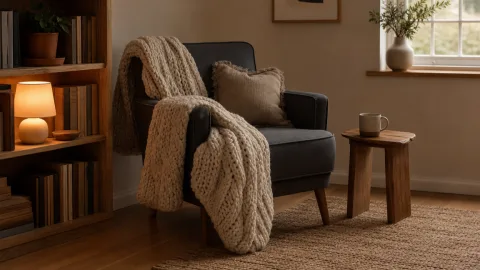
We devote attention to texture as a primary instrument of comfort, not as a decorative afterthought; each element carries a tactile signature that readers notice with their fingertips. The wool throw is chosen from a small mill in Yorkshire and has a warm heather tone that reads as a soft halo when seen from the seating position. The cushion covers are crafted from linen with a subtle slub, inviting fingers to glide along their weave rather than bounce away from them. We drape the throw over the chair back to form a sheltering canopy, making the seat feel more intimate and inviting. The blanket's fringe is trimmed to avoid snagging on sleeves while turning pages, a small but meaningful detail. We test a second cushion to adjust lumbar support, ensuring the spine maintains its natural curve during prolonged reading. The colours interact with the lamp's glow; we watch how the fibre surfaces catch the amber cast and how that warmth softens the difference between light and shade. The layers should feel tactile, not busy; we rub surfaces between thumb and finger to assess softness.
Colour theory guides our choices here: a whisper of moss green, a soft taupe, and a single copper accent on a ceramic mug align with the natural light. We add a linen throw to mingle with the wool, combining drape with resilience against daily use. The textures interact with the lamp's glow; we watch how the fibre surfaces catch the amber cast and how that warmth softens the difference between light and shade. We test different pile heights on the cushion realm to ensure the head rests at a comfortable angle for long passages. We avoid synthetic plumps that flatten quickly and replace them with plump, well-filled cushions that maintain their contour. A small velvet cushion is used sparingly to avoid overpowering the main fabric. The exercise continues to prove that layered textiles anchor mood as much as structure.
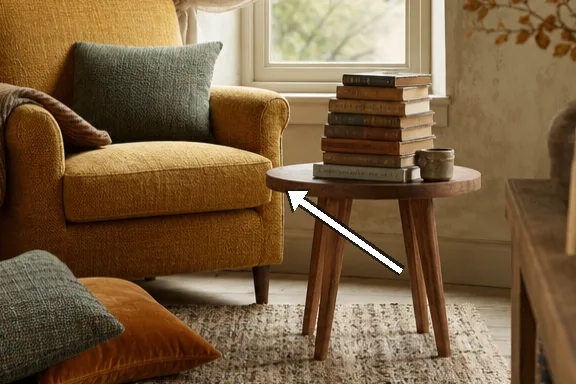
Small storage nearby holds the ritual items: a tray, a coaster for the mug, and a folded cloth for dust-free handling of the pages. We position a low wooden side table to the reader's left so the elbow can rest easily and the tea remains within a natural arc of reach. The shelf above the seat stays modest, with wide margins between titles to prevent fatigue from crowded colour. We test a soft rug beneath the chair to cushion footsteps and reduce echo as the reader shifts position. The overall feel becomes a snug cocoon rather than a rigid alcove, inviting you to linger and notice the difference between arrival and intention. We record measurements: seat height at around 42 centimetres, table height at 50 centimetres, and a maximum reach of approximately 60 centimetres to the current read. The result is a shelf that breathes, not a museum case.
Lighting the space for quiet focus
Lighting is not just visibility but a discipline: it defines where attention lands and how long it is paid. We select a 2700K LED bulb with a matte finish to deliver warmth that sits within the amber spectrum rather than harsh glare. The shade is chosen with a gentle profile, broad and shallow to diffuse light across the page without casting sharp rings on the print. We adjust the lamp so its glow wraps the reader like a small sun, leaving the far corners of the room softened. The lamp height is set to align with eye level when seated, a small adjustment that reduces neck strain during longer passages. The balance between brightness and colour temperature is central to the nook's atmosphere, a careful calibration that matters with every paragraph. In this way, light becomes a companion that helps the eye travel slowly rather than race ahead.
 Save
Save
To complement lamplight, we experiment with a single candle placed away from drafts; the flicker provides a rhythmic cue for turning pages and pausing between chapters. We are careful to keep the candle's heat minimal and the wax level low to avoid scent overpowering the page or dripping onto the book's spine. We test different positions along the table to calibrate glare on the page; nothing should steal the reader's focus. The room remains free from overhead fluorescents, which would disrupt the meditative tempo needed for slow reading. Every adjustment alters edge clarity on serif fonts and the readability of marginalia. We note how the candle encourages a shorter, deeper breath before the first line. The mood slopes toward hush, with warmth circling the pages rather than invading the imagination.
Acoustics play a supporting role: soft textiles absorb stray footfalls, while the window frame adds a subtle, almost musical resonance that fades when the lamp glows and pages turn. We avoid loud surfaces nearby and keep a minimal tray to prevent clatter during gentle page transitions. The chair's leather carries a delicate patina; warm highlights invite a closer gaze at print. The rhythm between lamp and shadow becomes a quiet metronome for a reader who values slowness. The overall mood is intimate rather than theatrical, a space that breathes with every paragraph. We note how even small adjustments to shade angle alter edge clarity on serif fonts. The room feels defined by restraint, which is itself a form of generosity toward the reader.
“Every page feels closer when the lamp holds the room steady.” — Mira
Display, storage and the ritual of stacking
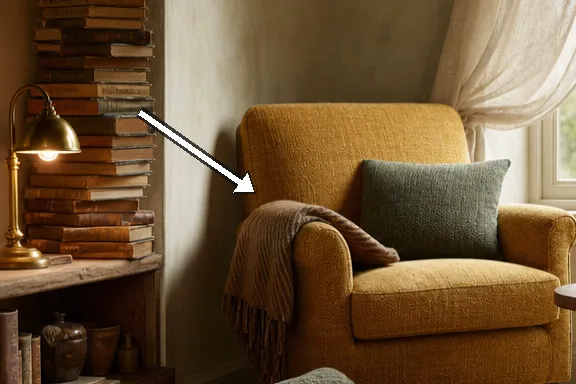
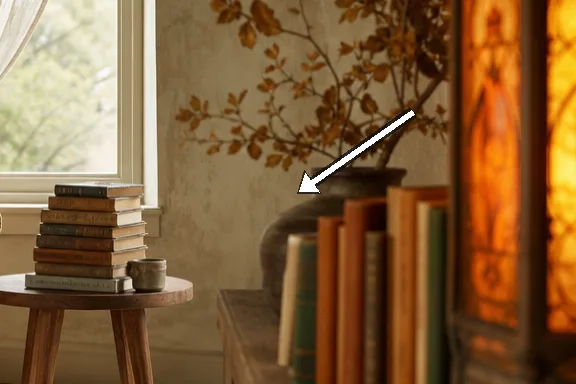
Display remains a whisper rather than a shout, and we curate the shelf with care as much as curiosity. We resist crowding the top row with a crowded line of spines; instead we choose two or three titles with complementary colours that can be easily skimmed at a glance. Each spine is aligned along a gentle diagonal so the reader's eye travels naturally from left to right without interruption. We check the distance between the front edge of the shelf and the chair to ensure a light, unobstructed reach for the current read. The stack takes on a language of its own, a small architectural skyline that shifts with mood and season. We avoid glossy jackets that reflect glare and instead opt for matte finishes that glow softly under lamplight. The display, while small, acts as a prompt to begin, as a reminder that a page patiently awaits.
Storage remains practical and intentionally minimalist: a shallow tray, a coaster, and a folded linen cloth for handling pages without finger oils. We place a low wooden side table to the reader's left so the elbow rests easily and the tea remains within a natural arc of reach. The shelf above the seat stays modest, with wide margins between titles to prevent fatigue from crowded colour. A soft rug cushions the feet and dampens any footfall that might break concentration. The routine here is rhythmic: swap one title, refresh the tea, check the lighting, and adjust the cushions as needed. We avoid overloading the surface with keepsakes and keep the space usable for quiet study or a short story. The result is a stillness that supports long, attentive reading sessions.
 Save
Save
Ritual anchors the routine: we rotate a book or two weekly to maintain interest without letting novelty push into chaos. The order of operation is simply gathered, skimmed, then settled; this micro-cycle keeps momentum without pressure. The attachments—tea, notebook, pencil—sit in predictable places, resisting the lure of clutter. The morning light may change but the lamp remains a constant friend, tying the room's mood to the day. We note when the stack becomes heavy and adjust accordingly, pulling back to allow space for reflection. The nook thus becomes a small workshop for the eye and the breath, not a shrine to perfection. In this way, the corner evolves, yet remains recognisable as a slow-reading sanctuary.
- Keep the surface largely clear so the lamplight can breathe
- Choose a single focal book and rotate others to avoid clutter
- Rotate titles weekly to maintain curiosity
- Use warm lighting and natural textiles for calm
- Tidy the area every few days to prevent dust buildup
Care, maintenance and evolving mood
Care is the quiet engine of longevity in this space, and we treat it with a gentle rigor that feels almost ceremonial. Every fortnight we dust the shelf and lamp with a soft brush, avoiding harsh chemical sprays that could degrade fabric textures or the laminate on the table. The textiles are aired and refreshed, letting tired fibres regain spring and scent without washing away their character. We record signs of wear in a small notebook and adjust the arrangement before it becomes a habit we regret. A seasonal change in colour guides a subtle swap of throws and cushions, preserving the intimate mood while enhancing comfort. We inspect the lamp shade for scuffs and the glass for fingerprints, cleaning with a microfiber cloth to keep glare at bay. The nook remains a calm companion through the ordinary storms of daily life.
Seasonal changes influence the mood and prompt small experiments: a lighter throw during spring, a deeper hue in winter; we test a fresh plant at the window edge to bring life without crowding. The books benefit from occasional re-shelving; we shift titles so that new windows of interest align with the reader's evolving tastes. We avoid over-waxing or polishing the leather, which dulls the patina that makes the corner feel lived-in. The space resists trendiness and instead anchors itself in continuity, a dependable retreat after a long day. Maintenance remains gentle and routine, never onerous, and the checklist doubles as a gratitude note for the nook's ongoing companionship. The room inhales and exhales with the turning of pages, and we notice how mood follows light. The habit of returning to this corner remains our quiet daily vow.
Taken together, these small, patient adjustments preserve the room's character while inviting new readings and discoveries. We celebrate the way fabric, light, and order cooperate to slow time, even on busy days. The nook remains a quiet retreat that welcomes the body and the mind without demanding effort. We notice how the scent of old paper lingers and how the amber glow softens the black print into gentler edges. The overall result is a room that invites return, rather than attention, to those who seek a gentler evening. We are reminded that a well-tuned corner can sustain a daily ritual, turning simple pages into lasting memory. Finally, we close the field note with a calm vow to keep this space available for the next reader who arrives.
How to do it
Plan the layout
We sketch a rough arrangement using a single sheet of paper, noting sightlines, reach, and heat sources; the goal is a calm reading corner reachable from the sofa and window.
Select textiles and light
We choose textures that feel tactile and warm and assign a warm bulb with a diffuse shade to create a soft, enveloping glow.
Position and test
We place cushions, adjust the throw, and sit to test posture, heat, and ease of reach to ensure a long, uninterrupted read.
Maintain and rotate
We schedule periodic refreshes of textiles, books, and small accents to keep the mood honest and welcoming.
Common mistakes to avoid
Overcrowding the nook
When the space fills with items, it stops inviting. We learned to prune stacks and let negative space breathe. Keep a single feature stack at arm's reach and resist pushing more books into the corner.
Harsh lighting
Too-bright or cold light disturbs the mood. We avoid overhead fluorescents and prefer a single warm lamp. We adjust shade angles to keep glare off the page.
Neglecting upkeep
Dust and moisture dull the textures that comfort the eye. We schedule a light refresh every fortnight and rotate textiles to keep things feeling fresh.
Frequently asked
What makes a good cosy reading nook?
How many books should you stack nearby?
Which lighting works best for long reading sessions?
How can you keep the space calm during busy evenings?
What materials support slow reading rituals?
How often should you refresh the nook's textiles?
What are common mistakes to avoid in a reading corner?
How should you balance display with storage?
In closing
The nook remains a quiet collaborator, inviting us to slow down and breathe with the page. We learnt that warmth, texture, and strategic simplicity matter more than grand gestures. The stacked books become a living stack, shifting with mood and season. The lamplight anchors the room without shouting. And we leave with a simple promise: tend, rotate, and return.