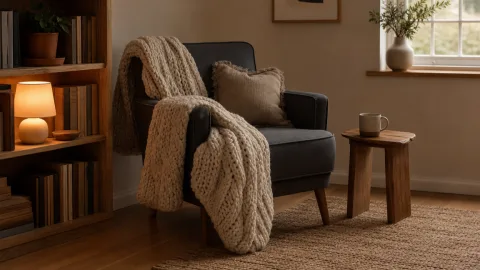
Every flat has one spot the light loves, and ours was a wide south-facing bay we did almost nothing with. The sill was deep enough to lean on and too shallow to sit on, so it collected the things that have no home: post, a leggy houseplant, a phone charger. Meanwhile we read in armchairs with our backs to the very window we were forever drawn to. The fix turned out to be embarrassingly simple. Rather than buy a built-in window seat or commission joinery, we bridged the bay with a single planed scaffold board carried on two heavy brackets, dropped one long firm cushion on top, and stood back. It took an afternoon and a fraction of what we expected to spend. What we did not expect was that a board on two brackets would quietly become the most-used piece of furniture we own, the place the whole household drifts to with a book, a coffee, or nothing at all.
Why a board beat a built-in
We priced a proper built-in window seat first, and the quotes were sobering: bespoke joinery for a bay is a real carpentry job, with a frame, a hinged lid and a finish to match the room. It would have been beautiful and it would have taken weeks and a four-figure sum. The more we looked at the bay, the more we realised we did not want storage or a lid; we wanted somewhere to sit in the light. A seat is, structurally, just a very strong shelf at the right height. Once we saw it that way, the whole project shrank from a commission to an afternoon.
A reclaimed scaffold board was the obvious top. It is already designed to carry weight across a span, it is thick enough to feel solid underfoot and underseat, and planed and waxed it has a warmth that new timber lacks. We paid a few pounds for a used one, ran it through a sander, eased the sharp arrises, and finished it with clear hard wax. The board cost less than a single bracket of the built-in quote, and because it simply rests on its supports, it lifts off in seconds if we ever want the bay back.
 Save
Save
Getting the height and the fixings right
The two numbers that matter are the seat height and where the brackets bite. We set the finished seat — board plus cushion — at about 45cm off the floor, the same as a dining chair, which is the height a body folds into without thinking. That meant fixing the brackets a little lower than the board to allow for the squash of the foam. We marked the line with a long level across the whole bay, because in a bay any tilt reads instantly against the horizontal lines of the window above.
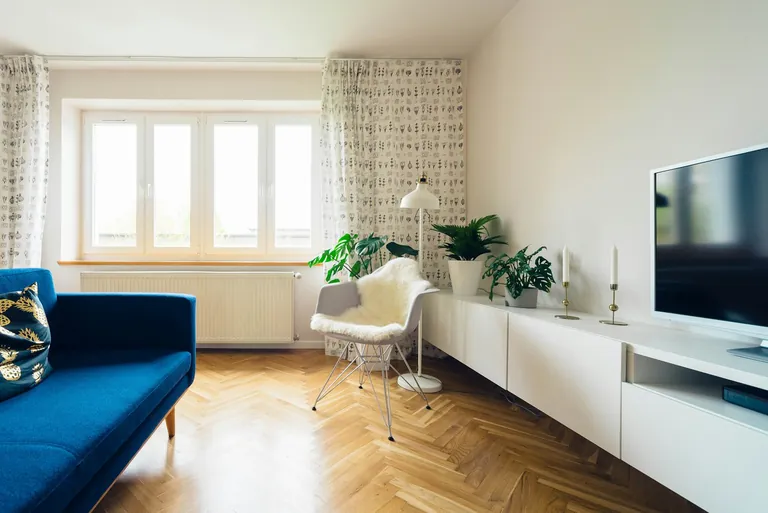
Then the part you must not rush: the brackets go into something solid. A window seat carries a person, not a row of paperbacks, so we found the studs with a detector and a confirming knock, and drove long screws into timber wherever we could reach it. Where a bracket landed on plaster alone we used heavy-duty fixings rated far above our weight, but we always favoured a stud. Before a single cushion went near it, we both sat on the bare board, then stood on it, and bounced. A seat you have to wonder about is a seat nobody relaxes on.
 Save
Save
“A seat is just a very strong shelf at the right height. Once we saw that, the job shrank to an afternoon.” — Mira
The one cushion that makes it a seat
We learned the hard way that the cushion is not soft furnishing, it is the seat. Our first attempt used a spare sofa back cushion, and within a day it had bottomed out into a sad, sagging dip that nobody wanted to sit in. We replaced it with a single piece of 5cm high-density upholstery foam, cut to the board by the foam shop for a couple of pounds, and the difference was total. Firm foam holds you up for an hour of reading; soft foam swallows you in five minutes and aches your back.
Over the foam went a loose linen cover with a zip, made oversized on purpose so it can come off and go in the wash. This is a window seat, which means morning coffee, dropped toast, muddy paws and a sunny spot a cat considers legally hers. A fixed, dry-clean-only cover would have made it precious, and precious furniture does not get used. One washable cover on one firm cushion is the entire upholstery, and it is the part we have already cleaned a dozen times without a second thought.
- Set the finished seat height to match a dining chair, around 45cm.
- Fix brackets into studs; treat the seat as something that carries a person.
- Use firm high-density foam, never a soft sofa cushion.
- Make the cover loose, zipped and washable so the seat stays unprecious.
How to do it
Cut and finish the board
Measure the bay at seat height, not at the sill, because bays taper. Cut the scaffold board to a snug fit, sand it smooth, ease the sharp edges, and seal it with two coats of clear hard wax so it shrugs off spilt tea.
Mark a level line and find the studs
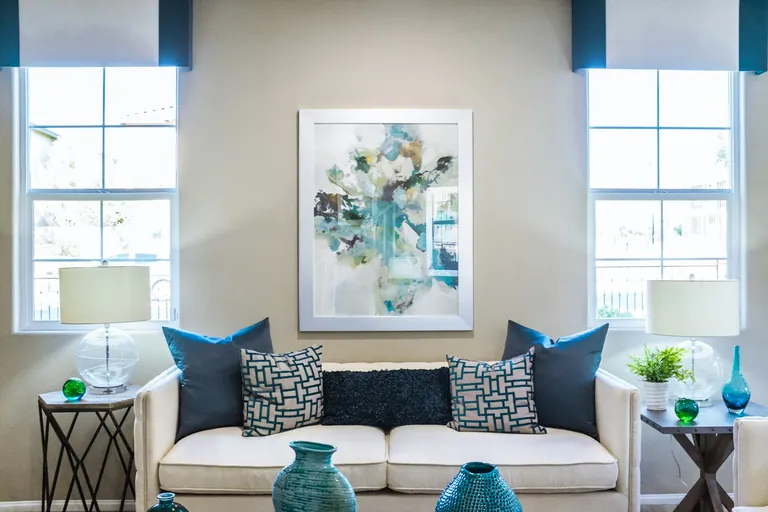
Run a long spirit level across the whole bay and mark the bracket line a little below your target seat height to allow for the cushion. Locate the studs with a detector and a knock so the brackets land on solid timber.
Fix the brackets and load-test
Screw the brackets into the studs with long screws, using heavy-duty anchors only where plaster is unavoidable. Rest the board on, check it dead level, then sit and stand on it before you trust it with anyone.
Add the firm cushion and cover
Drop a single piece of 5cm high-density foam cut to the board, then slip on a loose, zipped, washable linen cover. Sit, read for an hour, and adjust the depth of the cushion until your knees fall just below your hips.
Common mistakes to avoid
Fixing into plaster alone
Our first bracket went into bare plasterboard and flexed alarmingly the moment we sat down. A window seat carries a whole person, so we backed out and found the studs. Treat the fixings as if someone will stand on the end of the board, because eventually a child will.
Using a soft sofa cushion
We started with a spare back cushion and it bottomed out within a day into an uncomfortable slump. Firm high-density upholstery foam is the only thing that holds you up for a long read. Soft is for leaning on, not sitting on.
Building it at the wrong window
We nearly put the seat at the tidier window in the spare room because it looked neater in plans. The seat works because it is at the window we are already drawn to, in the light we actually live in. Build it where you linger, not where it photographs well.
Frequently asked
Will a scaffold board really hold an adult's weight?
How deep should the seat be?
Do I need a back or can I lean on the window?
What height should the seat be?
Is it cold sitting right at the window?
Can I do this in a rental?
What if my bay is wider than one board?
In closing
We set out to stop wasting the best light in the flat and ended up changing where we spend our mornings. The window seat cost an afternoon and the price of a takeaway, yet it is busier than furniture that cost twenty times as much, because it sits exactly where we already wanted to be. The board has darkened a shade with use, the linen cover has been washed more times than we can count, and the bay that once held a dying plant now holds whoever got there first with a book. If you have a window you are always drawn to and never sit at, bridge it with a board and find out what we did: the simplest seat in the house can become the one you cannot keep empty.