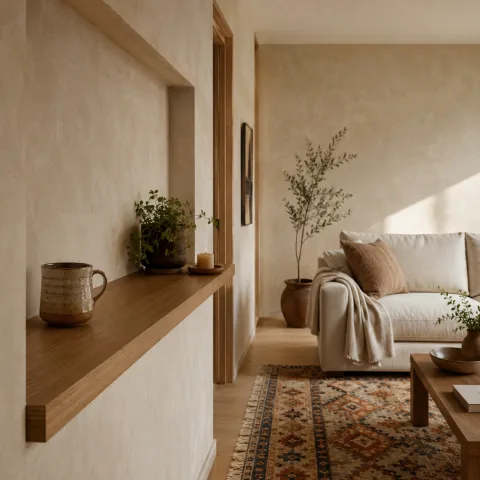
From the doorway we pause to study the niche. The sun pools along the top shelf, throwing honeyed light onto the first book spine. We note the shallow depth of the unit, which keeps the corner from feeling heavy. We consider how negative space will help each object breathe rather than compete for attention. Our aim is a calm, legible arrangement that invites regular looking and small adjustments. Our goal is a scene that reads calm from the doorway and becomes richer when studied up close. We move slowly, letting material choices and natural light guide our decisions.
Foundations of light and layout
From the doorway we study the alcove with patient eyes, noting its height, depth, and how wall colour shifts as light travels. We trace the sun’s arc across the space and imagine how the shelf will read at different hours. We sketch a quick, practical plan that prioritises legibility over decoration. We remind ourselves that the aim is air around every object, not a crowded tableau.
Before committing any objects to the shelf, we lay them out on the dining table to test lines, heights, and relative warmth. We compare three potential placements for the ceramic pieces, moving them by small increments to observe how shadows shift and how the palette breathes. We measure the distance from the shelf edge to each group so the arrangement feels intentional rather than accidental. We keep a record of each trial in a notebook, then translate the best plan to the corner with measured care. Our goal is a rhythm that reads clearly from the doorway and gently invites a closer look up close.
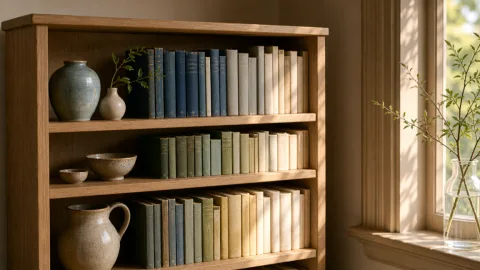
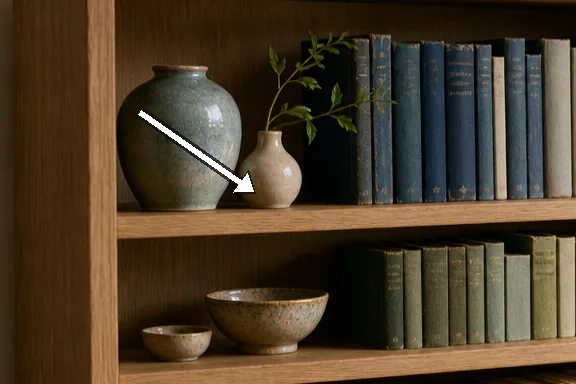
We place a ceramic vase at the far left, allowing its glaze to catch the sun as it travels. A stack of three books forms a gentle staircase toward a glazed pot that reflects pale blue, creating a quiet focal line. The plant leaves bring a soft green note that repeats in the shelf’s colour family. We avoid glossy finishes that would shout in bright light, favouring matte textures instead. The arrangement now suggests a slow, everyday moment rather than a designed curio.
Choosing books that balance height and hue
 Save
Save
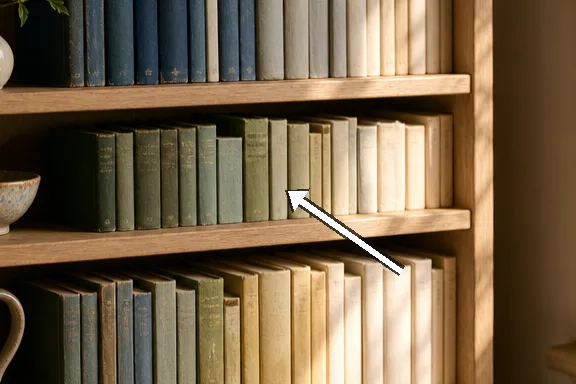
Light spills across our second shelf group and we begin to consider height as a primary instrument for rhythm. We choose books with varied heights to create a staircase rhythm that guides the eye upward without pinching the space. We pull a handful with jackets in muted blue, grey and parchment tones to harmonise with the ceramics. We avoid graphic spines that clash with glaze colour and risk turning the corner into a visual jumble. We remind ourselves to keep the palette gentle and coherent even when the room itself is busy.
Next we test the flow from left to right and front to back to ensure a natural reading path. The taller volumes anchor the end of the group while smaller volumes fill gaps near the ceramics. We rotate the pile so that no single colour dominates, letting the sun do the shading. We time the rotation for a weekend when we can observe the shelf at different light angles. We keep notes in a small notebook to track what reads well in real daylight.
This is where restraint earns its keep and we resist any impulse toward a crowded collage. We borrow a handful of white or off white paperbacks to provide relief between ink and glaze. We tuck one book behind a ceramic piece to create depth and a subtle shadow line. We avoid stacking too many volumes; the shelf must remain legible from a distance. We step back every few minutes to confirm the overall balance and the way the light reads across the spines.
Ceramics that catch the sun without shouting
Ceramics begin to shape the shelf's quiet rhythm when light meets glaze and time seems to soften what we see. We select two bowls, a bottle vase and a shallow dish with soft ochre glaze to reflect warmth without dominating the scene. The matte body contrasts with the glossy rims and keeps the mood calm. We avoid busy patterns that would distract from the book spines. The aim is cohesion rather than display, a shelf that breathes.
We place the largest ceramic at the centre to act as a visual anchor and to give the eye a starting point. The smaller pieces are positioned at slight angles to catch different light as the sun moves, creating soft highlights along their curves. We test how the glaze shifts from pale to warm depending on the time of day, noting the hour when the piece glows most kindly. The arrangement should feel natural and not forced, as if it has always been there. We resist pushing for perfection and instead seek harmony with the room’s existing pace.
 Save
Save
We take a final look at height and texture variety and judge how the ceramics balance the density of the book group. The ceramics' edges soften the perceived weight of the books and voids between items read as quiet pauses. We avoid crowding the shelf with more pottery than necessary, keeping the line readable from the doorway and the sofa alike. We fix the pieces in place only after confirming they deserve a longer stay. The shelf now reads as an intentional micro-altar to everyday life.
“Sunlight writes quiet lines between books and ceramics, unifying the shelf.” — Mira
Spacing, rhythm and the art of minimalism
Spacing becomes the next craft in our slow room process and we treat air as a material to work with. We deliberately leave gaps between groups to allow each piece to reveal its character. The arrangement is not a museum display but a daily prompt to slow down and look. We measure clear air around objects and near the shelf edge to avoid visual crowding. We remind ourselves that vertical rhythm can be as important as horizontal balance.
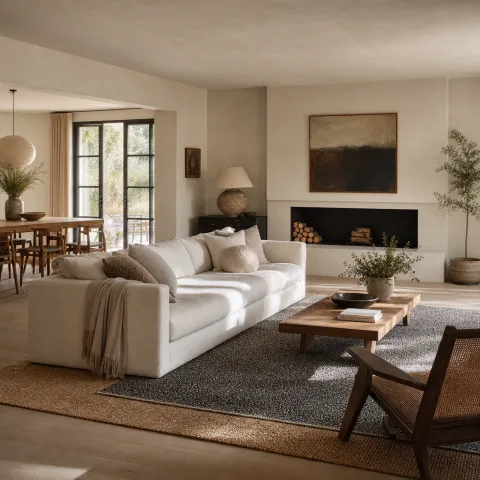
We test alignment by stepping back to the sofa and peering along the line of spines. We then move a piece by a few centimetres to improve the eye path from chair to window. A light touch helps to keep the shelf approachable, not a rigid grid. We keep a mental rule of three: one large piece, two medium, and several small objects. The result is a system that feels both deliberate and forgiving of change.
 Save
Save
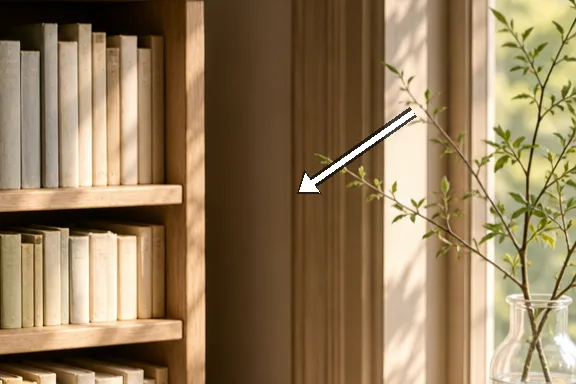
Finally we settle the colour flow, letting the ceramics pick up the shelf's warmer tones and ensuring the books echo them subtly. We switch a paperback with a different hue to refresh the overall look without breaking the mood. The process becomes a small ritual that we perform with care rather than ambition. We keep the palette within the room's broader scheme, which helps the corner read as a natural extension of the palette. The act of adjusting becomes a quiet exercise in self-restraint.
- Keep a simple palette that travels across materials
- Alternate materials for texture and light reflection
- Leave breathing room between groups
- Tilt or stagger items to hint at movement
- Dust regularly and re-evaluate twice a year
Maintenance and living with a curated shelf
Section five is about ongoing care rather than initial setup and the daily rituals that sustain the shelf’s calm. We monitor wear on the spines and the glaze's edges and adjust where necessary, accepting that slight scuffs are part of life with books and ceramics. We keep a small cleaning ritual that respects the room's silence, using a soft microfiber cloth and restrained exposure to moisture. We avoid heavy humid cleaning and instead dust weekly while the sun shifts across the shelf. We aim for a shelf that looks present but never contrived, a daily leaning into slow living.
Seasonal light changes our perception of the objects, so we allow rotations tied to mood and weather. We might swap a single book for a piece of ceramic that better catches the afternoon glow. We remind ourselves not to chase trend but to preserve the shelf's meaning within the room's rhythm. We discuss occasionally whether the shelf still reflects our everyday routines or needs adjustment. We keep a simple record of changes to guide future styling.
Finally we recognise that a sunlit corner shelf is not an endpoint but a living practice. It invites small acts of attention: turning a page, admiring glaze, moving one ceramic to catch a different beam. We know that the shelf will evolve with books, light, and mood across seasons. The quiet, gentle routine stays true to our slow living ethos. In this constant but gentle adjustment we find clarity rather than perfection.
How to do it
Survey the space
We measure the alcove, note the sun path, and sketch a quick plan so the pieces can breathe.
Select the pieces
We choose a mix of heights, textures and colour accents that harmonise with the room's palette.
Arrange with rhythm
We start with the largest item at the bottom, then place mid-size pieces to create a staircase effect.
Maintain and refine
We rotate a piece every few weeks and wipe surfaces with a gentle, non-abrasive cloth.
Common mistakes to avoid
Overcrowding the niche
We resist filling every inch. A crowded shelf reads cluttered, blocks light, and makes cleaning harder. We allow negative space to breathe.
Ignoring scale
We measure the shelf against the sofa and window to avoid visual tension. A mis-sized shelf disrupts the room’s flow from the doorway. Scale anchors the arrangement.
Neglecting maintenance
We avoid fragile setups that demand constant dusting. A quick wipe and regular rotation keep items looking intentional rather than dusty. Regular care preserves the shelf’s quiet mood.
Frequently asked
How tall should a corner shelf be relative to seating?
What height variations work best?
How many items should be displayed?
Should I mix finishes?
How often should I rotate items?
How can I protect ceramics in a sunny corner?
What role do plants play?
What tools help upkeep?
In closing
Looking back, the shelf feels less a display and more a small doorway into the room’s everyday life. We have learned that light, timing and restraint are the threesome that make such corners breathe. The arrangement invites us to pause, notice the textures, and choose again tomorrow. We recognise that small adjustments — a rotated book, a shifted vase edge, a revised negative space — teach us about the pace of living. The sun’s passage across the shelf becomes a daily trace of time in the home, a reminder that our interiors can grow more alive when we allow them to evolve. In slow living terms, this is not possession but conversation with the space, a continuing practice rather than a final pose.