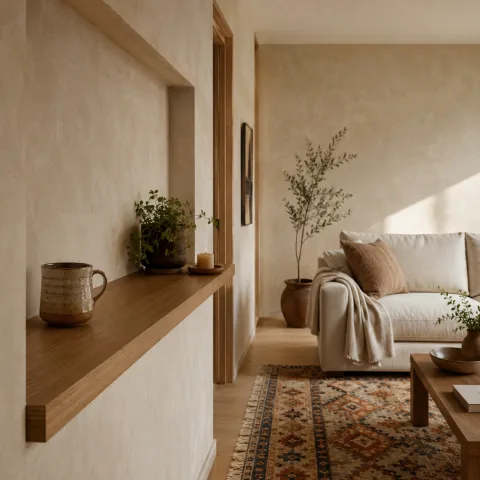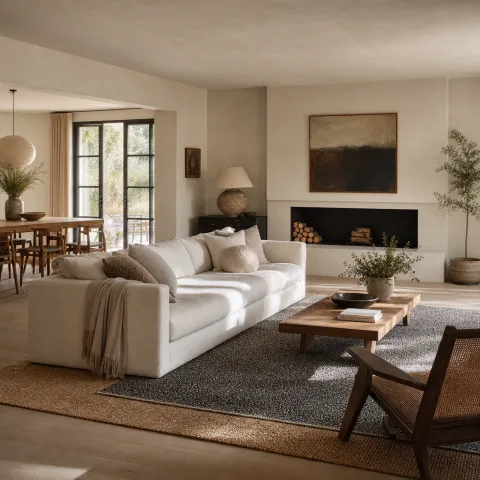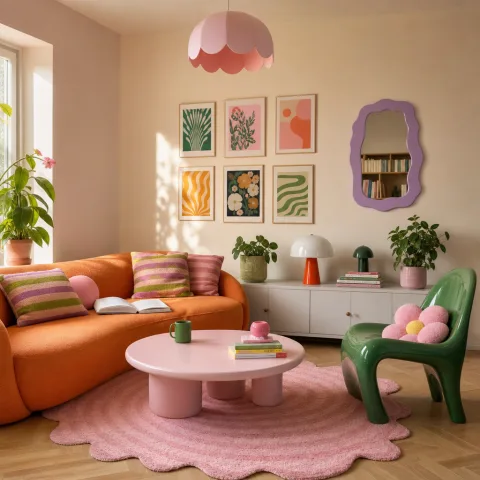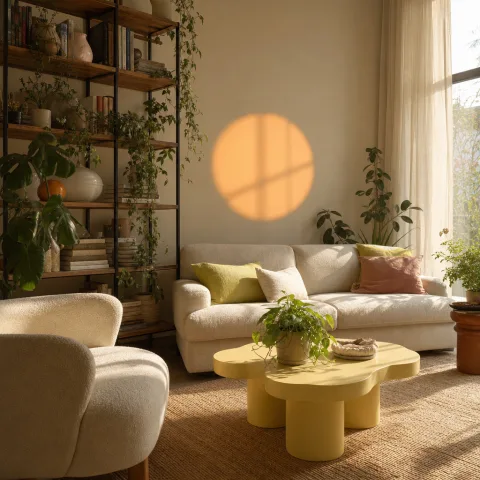
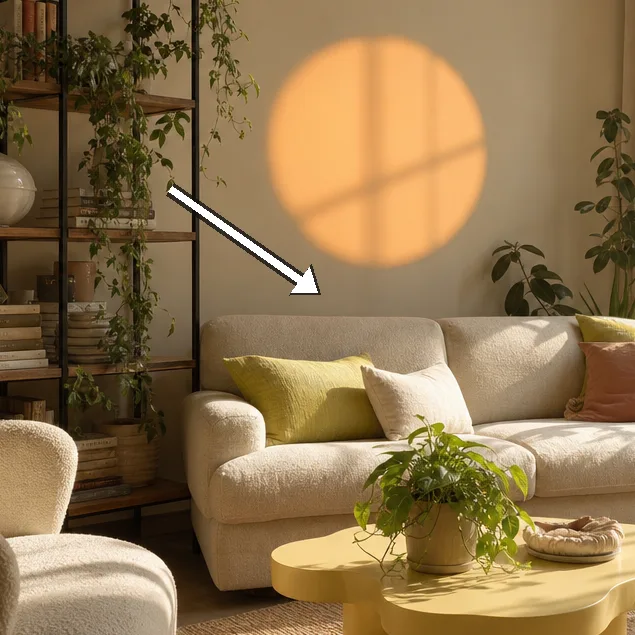
Across the room, the east-facing window catches the early warmth and throws a soft, moving circle across the couch. We note how the light changes the perceived depth of the textures on linen, wool, and wood. Our focus is not on a dramatic makeover but on quiet adjustments that invite the sun to stay longer. We test a simple rearrangement of cushions, a shift of a planter, and a thinner drapery layer at the sill. The changes are iterative, affordable, and easy to reverse, aligning with our slow-living ethos. We track how each shift alters the rhythm of the space, from the seating heights to the line of sight toward the coffee table. By lesson's end, the room feels simultaneously brighter and calmer, as if the light itself had settled into a circle that hugs the furniture.
Light as a design partner
We begin with Light as a design partner by watching the sun's arc across the sofa and noting where its glow lands most generously on cushions, timber, and wool. The circle travels slowly, sometimes pausing to lift a seam or highlight a grain in the oak legs. We compare two arrangements: one that keeps the sofa aligned with the window and another that angles the seating toward a calmer, more central focal point. The aim is not to force brightness but to let light reveal what already exists in the room.
In this first pass, we observe how upholstery colours respond to sun. The blue-grey fabric softens to a grey-greige when warmed, while the pale oak warms itself to honey under the same beam. We notice how a shallow coffee-table surface catches reflections and creates a micro-contrast that guides the eye. The rhythm of the space shifts as cushions cast small shadows and the perspective lengthens toward the window. We record a provisional verdict: light is not a garnish but a design partner that hints at where we should sit and how to approach the room's edges.
With the light on our terms, we leave the more demanding elements in place and pause for a few days to watch how the space breathes. The sofa remains the central actor, yet we sense a softer relationship between seat, rug, and plant. The result is not a drastic change but a patient alignment of relationships, where sunlight becomes a quiet collaborator. We are careful to maintain flexibility should the sun choose a different dance next week.
Texture and the everyday
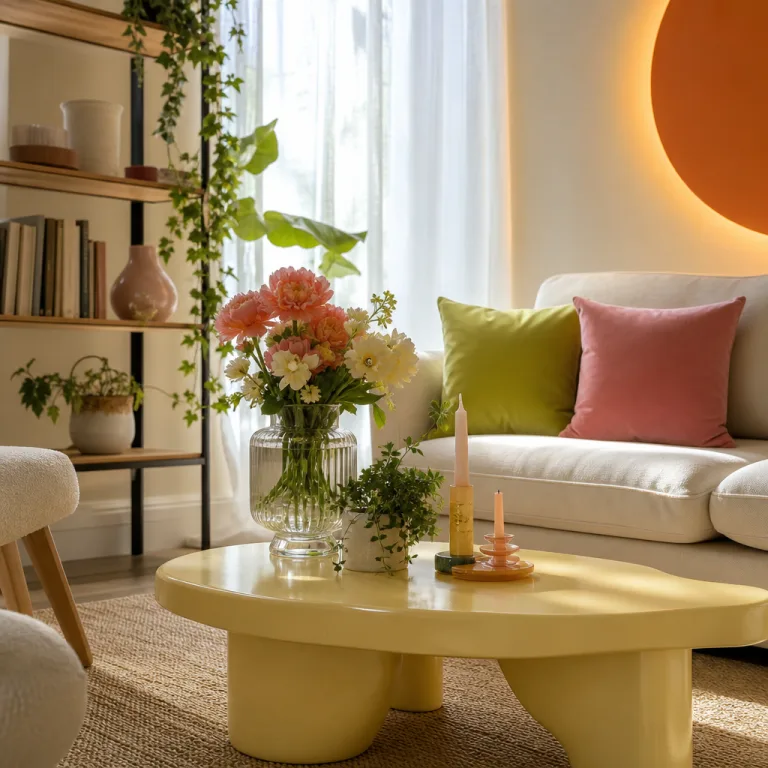
Texture becomes the quiet drama when daylight moves across fabrics, woods, and walls. We compare a pressed velvet cushion against a wool felt and observe the way surface catch and scatter the sun. The rug's fibres catch light differently from the drapery, creating a gentle gradient that travels with the circle. We assess the room's tactile map, noting where warmth lingers and where coolness persists along the back of the sofa. We conclude that texture is a living tool that can sculpt mood without any need for loud colour.
 Save
Save
Each layer contributes to how warmth rides the surface, not just how we look at it. We balance crisp edges with soft edges, keeping the eye moving and the room feeling larger. The linen throw wraps a corner of the sofa and softens the line where it meets the dark timber, while a wool runner anchors the rug's edge. We measure a moment of calm when texture does not shout but speaks in subtle shifts of light across fibre.
Beyond aesthetics, texture serves ergonomics: the grip of a cushion, the density of a throw, the bite of a wool nap, all influence comfort as light changes. We notice how a heavier weave holds warmth longer into the afternoon, inviting people to linger on the sofa rather than drift away. A lighter weave around the window softens glare and makes the view feel more expansive. Our changes are deliberately modest, yet their cumulative effect is tangible: a room that breathes with the sun rather than against it. In this way texture becomes a daily practice, something we can adjust with small, reversible moves rather than accessorising to excess.
Furnishing with space in mind
Furnishing as choreography begins with routes of movement and sightlines rather than merely placing furniture. We test routes of traffic so that the sun’s circle remains unblocked and the eye travels naturally from window to seating. The central aim is openness; every piece must offer function while preserving air and breathability in the room. We measure proportions against the window, seeking alignment rather than dominance.
Low, lighter silhouettes help the light travel; we avoid bulky cabinets directly in the sun's path. We choose slim-profile coffee tables and keep the floor visible to preserve a sense of continuity. A small console behind the sofa collects magazines and chargers without crowding the line of light. We watch for any furniture that interrupts the circle and adjust accordingly, prioritising clarity over clutter.
Pragmatic placement reduces heat concentration on upholstery and protects fabrics from sun damage. We circle back to the idea of a central anchor that does not overshadow the window. The aim is a room that reads as one coherent zone rather than a patchwork of stories. Every object has a patient, reversible role, and nothing is fixed beyond use.
 Save
Save
Colour restraint and its warmth
Colour restraint does not mean absence; it means setting boundaries that allow light to play as a primary texture. We choose a palette of four near-neutrals with warm undertones: whisper grey, latte, warm white, and a soft moss for accent. The hues read as quiet beneath the circle of sun and rise gently when the light shifts.
Placed thoughtfully, these tones outline the circle of sun and carve a subtle warmth into wood and textiles. The effect is a calm chorus rather than a shout, with light guiding the melody. We test with a throw swap and a rug shift to see how the circle reads at different times of day. The palette remains cohesive because the restraint is maintained.
Finally, we test colour with movement: we swap a throw and adjust a rug to see how the circle reads at different times of day. The result remains cohesive because the palette is restricted. We resist crowding and let the sun establish a slow, forgiving rhythm across surfaces. The room feels more settled, and the warmth travels through the furniture rather than over it.
Seating that invites slower living
We reserve the final block to seating that invites slower living. A generous sofa coupled with a couple of lounge chairs creates a quiet, flexible group that supports long conversations or solo reading. The arrangement leaves pathways open, allowing the sun to drift without interruption. We avoid forcing social zones; instead, we allow the light to invite people toward the centre.
 Save
Save
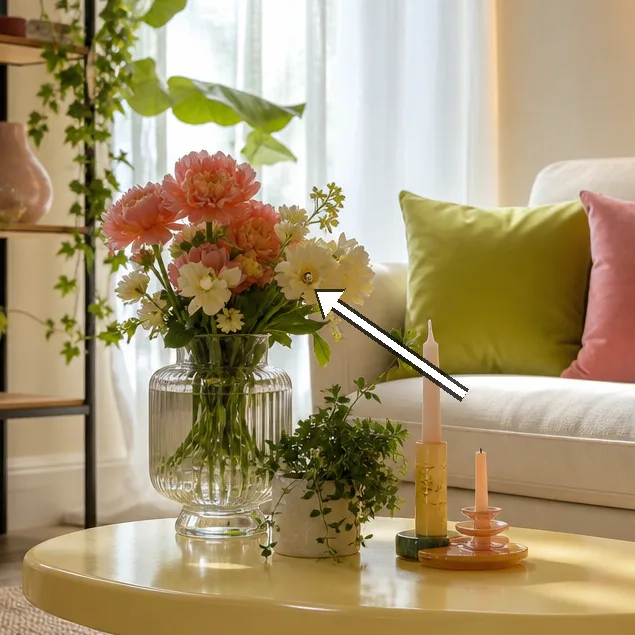
The circle of light settles around this arrangement, creating a natural reading of the space. We notice how the warmth travels from cushions to skin and back again, a gentle loop that encourages lingering. The pieces chosen are simple yet expressive, and their proportions feel balanced against the window. The room feels hospitable, and the sun’s movement shapes a patient, evolving mood.
A final check confirms that the space remains flexible: the sofa can be reoriented for a different conversation circle, or the chairs can be tucked closer for cozier evenings. We conclude that seated arrangements should never fight the sun but rather welcome its daily choreography. In this way, slowing down becomes a measurable outcome of thoughtful furniture choices.
- Use a single rug to ground the zone and keep the eye moving
- Let daylight guide cushion placement so warmth sits where people gather
- Keep sightlines open to the window to preserve airiness
- Prefer natural materials that soften rather than glare
- Avoid over-matching furniture to maintain a quiet, evolving texture
Seating that invites slower living — continued
We continue refining the seating to ensure comfort does not come at the expense of light. A long, shallow sofa frame balances with two compact chairs that can swivel or be moved to embrace different focal points. The arrangement remains adaptable for hosting and for quiet afternoons alike. The sun’s circle becomes a familiar presence, guiding the room toward a kinder pace.
As we live with the circle, we notice how the materials wear in—leather develops a patina, linen softens with washing, and wood gains a mellow glow. The living room feels less staged and more prepared to respond to the day’s light—an honest space where warmth grows slowly, like a good book opened to a trusted page.
In the end, the room’s warmth is not solely about colour or fabric, but about the confidence to let light take a seat among us. We have learned to listen for the sun’s timetable and respond with small, reversible changes that respect the room’s original spirit. This is slow living in practice, and it feels right.
How to do it
Observe natural light arc
Note how the sun travels across the room from early morning through late afternoon, documenting moments where light is brightest and how it interacts with surfaces.
Propose small rearrangements
Test one change at a time—move cushions, swap a throw, adjust drapery height—and pause to evaluate mood before proceeding.
Choose tactile anchors
Select materials with a warm, quiet presence (linen, wool, leather) and keep a restrained palette to let light define the space.
Document the effect
Take note of how warmth alters concentration, comfort, and the room's perceived size, then refine if necessary.
Common mistakes to avoid
Overfilling with texture
Overfilling cushions creates visual noise and blocks light in the wrong places. We remind readers to test layouts with only a few changes at a time, avoiding crowding that dulls the circle of sunlight.
Ignoring fabric weight
We previously paired light curtains with heavy upholstery, which dulls contrast. Aim for balance by keeping a tactile mix that allows the sun to move through layers rather than bounce off them.
Forgetting the view
The circle of light should invite the eye to travel; if furniture blocks sightlines, the room feels closed. Prioritise open sightlines and avoid stacking pieces directly in the sun's path.
Frequently asked
What makes this living room feel warmer?
How long did the changes take to feel settled?
Is the circle of light essential to the mood?
What about costs involved?
What about storage?
How does scale influence this approach?
Which materials best complement sun warmth?
Would you do this in a rental?
In closing
The sun’s circle did not simply brighten the room; it offered a patient measure of how space can breathe. By treating light as a partner rather than a spectator, we created a room that feels lived-in and gently purposeful. Each small adjustment—be it a throw, a cushion, or a shift in seating—became a line in a longer, slower story. We learned to value restraint, the tactile truth of materials, and the quiet drama of texture under daylight. The living room now invites slow, thoughtful use, with warmth that lingers long after the sun has moved on.