Over several days we observed the threshold with a slow rhythm and an open notebook. Clutter is not merely mess but a map of where attention falters. We recorded tiny moments that suggested a different order might feel natural rather than forced. The object we tested was modest, but its potential to influence our routines felt significant. We measured, touched, and compared textures, sizes, and finishes until a preference coalesced. The goal was not a bold intervention but a quiet, repeatable one. This field report tracks the progression from initial impression to lived practice.
A quiet anchor for the entryway
On arrival, the hallway greeted us with the clatter of magazines, mail, and the loose coins that collect behind the door. We mapped the flow of hands, keys, and shoes, noting how the space forces decisions before you start a day. The eye is drawn first to the nearest surface where everything tends to land. Our aim was not to eradicate clutter but to redirect it with intention. A small object, within arm's reach, could act as a signed post for routine. We tested the hypothesis that a modest basket might quietly absorb the day's detritus without shouting for attention.
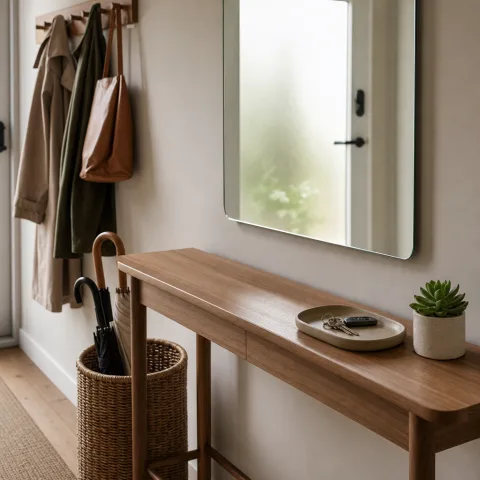
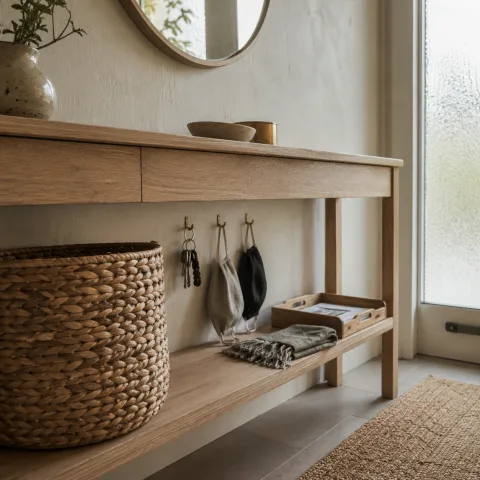
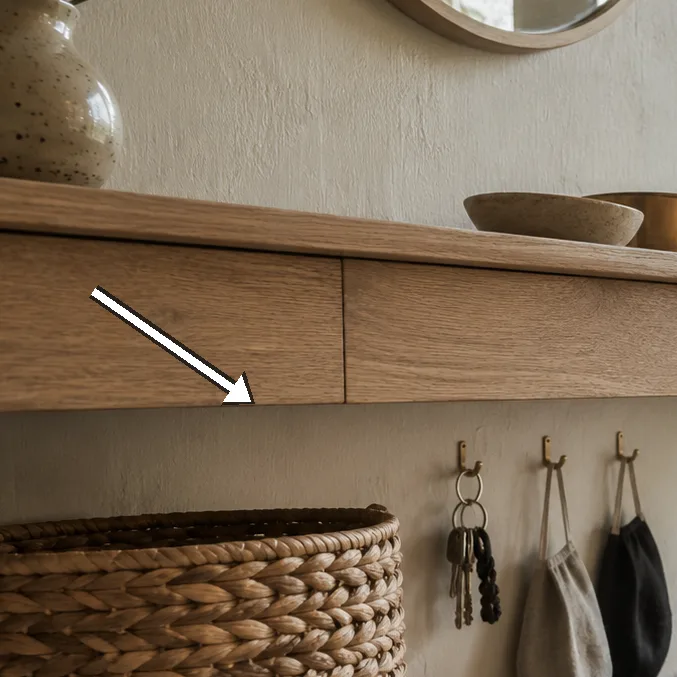
With that aim, we introduced a small woven basket, 20 by 20 centimetres, made from natural jute with a tight diagonal weave. The basket's weight is reassuring rather than fragile, and its colour reads as a natural artefact rather than a prop. We placed it on a shallow shelf by the door, at a height that aligns with a typical bag handle. The weave acts as a visual breathing space, allowing light to pass and keeping objects visible. We watched how the basket tethered the daily detritus rather than scattering it across the surface. The result was a composition that felt intentional rather than accidental, a small sculpture that also serves a function.
Within days, the surface transformed from a catch-all into a deliberate stage for daily movements. The basket's mouth accepts receipts, a couple of keys, and a small compass-like trinket, all without competing noise. The eyes adapted to the simplicity, and the doorway regained a sense of invitation rather than urgency. Our routines began to hinge on the basket: grab, drop, and go felt more deliberate. The habit of tossing mail on the table diminished as the basket provided a ready, visible destination. In conversation, visitors commented that the entryway now reads as calm even when life hums beyond.
Choosing the right small basket
 Save
Save
When selecting the basket, size matters not only for capacity but for proportion within the hall. We measured the available shelf and concluded that a 20-by-20-centimetre form balances balance and reach. A tight weave prevents small items from slipping through and keeps the interior more resistant to dust. Natural fibres aged gracefully, but we noted how some dyes fade and others retain a matte, honest tone. We preferred a plain, undyed finish because it harmonises with other materials in the space. The basket should feel light enough to lift with one hand yet sturdy enough to stay upright when loaded.
Materials vary: jute, seagrass, and rattan offer different textures; we assessed which aligns with our existing hardware. We tested a couple of options on site, moving them to improve sightlines and accessibility. A shallow rim makes reach quick, while a higher rim traps papers that would otherwise drift behind the door. Washable linings can extend the life of the weave, but they add a secondary texture to weigh. We considered handles or no handles depending on whether the basket should move with the wearer. In the end, simplicity won over bells and whistles; function and quiet form won through.
Maintenance matters: a quick brush-off keeps dust from lodging in the fibres and dulling the weave. We tested cleaning options, favouring a soft brush and a damp cloth over aggressive soaps. We assessed weight tolerance, noting how items inside could press the weave inward if overloaded. We considered sustainability, choosing a product whose supplier practises minimal waste and fair labour. The basket's cost minimal enough to feel honest about its daily use. The selection process taught us to shop with purpose rather than impulse.
Placement that makes daily routines smoother
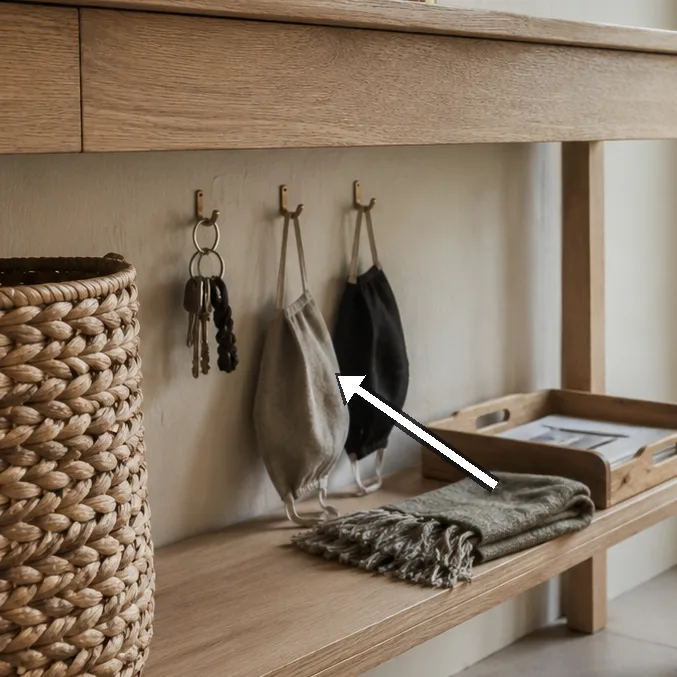
How you place the basket affects daily sequencing: shoes come off, keys land by habit, and mail stops here. We experimented with placing the basket on a lower shelf so it catches items at eye height during entry. Positioning at the door keeps the mind directed outward rather than toward the chaos behind you. A single anchor reduces float around the threshold and anchors the room's energy. The basket's quiet presence invites use rather than coercion. The overall harmony emerges when the item used echoes the room's existing materials.
 Save
Save
We watched how visitors interact, offering a live note on human behaviour rather than theory. The visitors spontaneously used the basket for loose change and a crown of keys, which pleased us. The act is simple but meaningful: put things away as part of leaving rather than facing a strewn surface later. We noticed a reduction in doubled trips to look for mislaid items. The basket's placement changed the rhythm of daily departure rituals. This rhythm is the room's nervous system, quietly tuned by a single, well-chosen object.
The design isn't about perfection; it's about a reliable routine that fits the home. We emphasise ease of retrieval even when hands are full. A consistent location reduces decision fatigue in the first moments of the day. The basket becomes a signpost you can trust when arriving home. The feel of absence replaced the clutter-centric mood that often defined the entry. When we walk through, the space reads calm, and we breathe more slowly.
“A small basket changes the rhythm of a room.” — Mira
Care, wear, and longevity
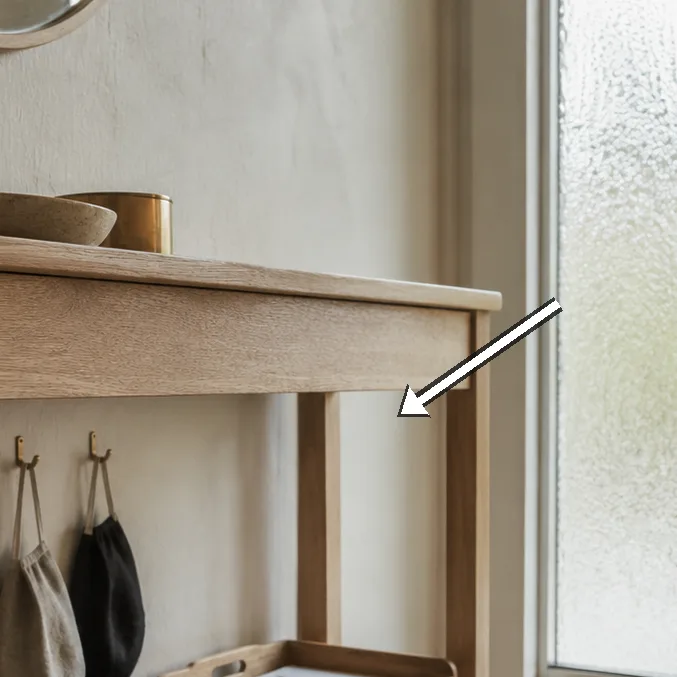
Long-term care is not glamorous but necessary to preserve the basket's integrity. We treat the weave with gentle elevation: a soft brush, occasional sunlight, and a damp cloth when needed. Avoid harsh chemicals that could degrade natural fibres or alter the finish. Rotate use, so no single area takes repeated heavy pressure. Regular inspection reveals frays before they become obvious faults. A simple routine helps the basket age gracefully, like a treasured instrument rather than a disposable prop.
We tested different storage situations to avoid overloading: a crucial factor in longevity. Lightweight items like receipts and tiny trinkets stay within capacity while heavier objects stay clear. If a handle is present, check its stitching and ensure it does not cut into the weave. Our choice of natural fibres means the basket responds to humidity and temperature with quiet resilience. A light vacuum or brush keeps the interior clear without inflicting damage. Post-use care should be as routine as wiping down the door or adjusting the coat hook.
 Save
Save
Wear is inevitable, but proactive care controls how quickly it becomes visible. We noticed small fibres shed when damp, which is typical rather than alarming. A simple repair strategy, like reinforcing with a dab of clear glue on frayed edges, can extend life. We documented the process to show readers how much is maintainable at home. The key is consistency: a few minutes weekly makes a large difference over months. By treating the basket as an everyday tool rather than a decorative artifact, longevity follows.
- Check the basket's capacity and clear it before overflow.
- Wipe and brush weekly, letting fibres breathe.
- Keep away from direct heat or sunlight to prevent drying.
- Pair with a matching tray for smaller items.
- Rotate placement once a season to refresh the look.
From clutter to calm: long-term habits
The basket's impact extends beyond the doorway into daily life. We see a calm discipline that transfers to other storage zones in the home. The small object acts as a moral compass for order without dictating personality. The space becomes a reflection of everyday care rather than a stage for display. Our experiments show the mind moves with less friction when a single quiet object anchors the flow. This is a living pattern rather than a finished product.
We reflect on the idea that form follows function, not the other way around. The basket's material remains honest, its tone unassuming, its scale appropriate. The entryway learns to greet without shouting, echoing the home’s overall pace. We feel more present when the threshold no longer fights for attention. The room’s energy reads as open, approachable, and sustainable. This is not a final edit but an ongoing conversation with the home.
If we return to the space after a week or month, the basket will likely show signs of use rather than wear. We imagine new users discovering the same quiet ritual and adapting it to their own routines. We hope the technique travels as a modest blueprint for other small zones in the house. The basket invites a slower approach to daily life, a gentle reminder of care. In the end, simplicity becomes a cooperative practice with time, material, and habit. The entryway remains a small theatre where everyday acts are performed with intention.
How to do it
Assess the space
Measure and observe how you move through the entryway over a week; note where clutter lands and what you reach for first.
Select the basket
Choose a size and fibre that harmonises with your door hardware and wall colour; test on site before committing.
Position the basket
Place at an accessible height; ensure it has space to breath and isn’t cramped by neighbouring objects.
Establish a routine
Make a habit of depositing items in the basket during leaving or arriving; review weekly to maintain order.
Common mistakes to avoid
Overloading the basket
Overfilling the basket stresses the weave and makes retrieval awkward. Always use light-to-moderate loads and empty regularly.
Ignoring placement
Placing the basket where it cannot be seen or reached defeats the purpose. Position it at the threshold where it supports routine.
Not allowing for access
A basket that blocks door movement or light becomes a nuisance rather than a help. Reassess height and projection if it hinders daily use.
Frequently asked
What kind of basket works best for an entryway?
Does the colour matter for a small space?
How heavy should the basket be when loaded?
How do you maintain the basket?
Can you use the basket in other rooms?
What about adding liners?
How can I avoid overloading the basket?
Is this approach suitable for busy households?
In closing
We finish the report with a quiet sense of cadence rather than ceremony. The entryway feels more welcoming, less performative, and the basket anchors that feeling without shouting. The item does not erase life’s mess, it curates it with patience and quiet visibility. With the basket in place, everyday actions become lighter, slower, and more deliberate.