Arriving as light shifts through the dusty glass, we notice how the space invites quiet pace rather than rapid decision. The room settles around the cabinets, which read as a soft backbone that supports both food prep and conversation. We make notes about the way the pale finishes soften the harsh edge of stainless steel and plaster. The window seat becomes a small stage for reading, planning, or simply watching the afternoon unfold. We test the practicality of each surface, from the depth of the sink to the width of the shelf where herbs are stored. The textures are delicate and purposeful, not precious, allowing daily life to feel considered rather than contrived. In this cottage kitchen, slow living begins with the feel of texture and the rhythm of light.
Pastel cabinets: choosing colour and finish
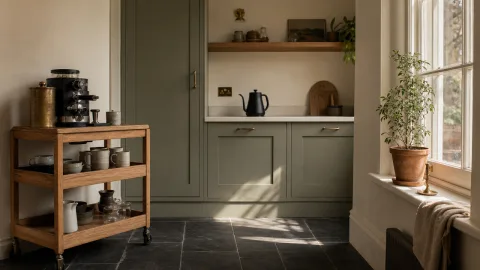
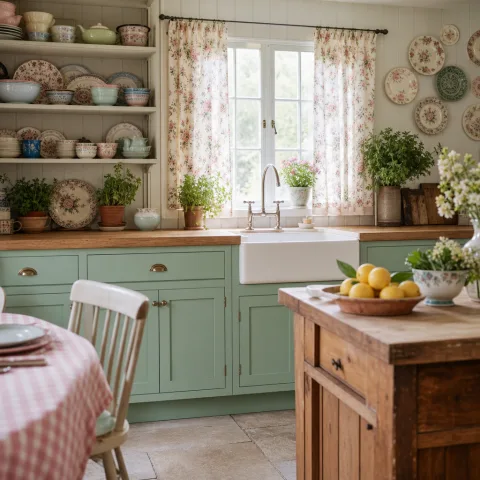
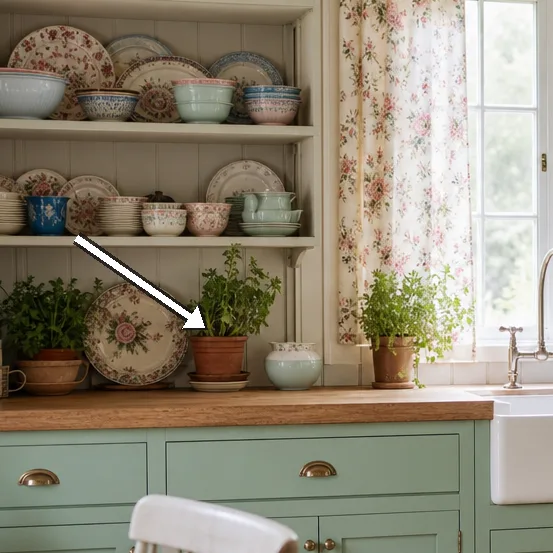
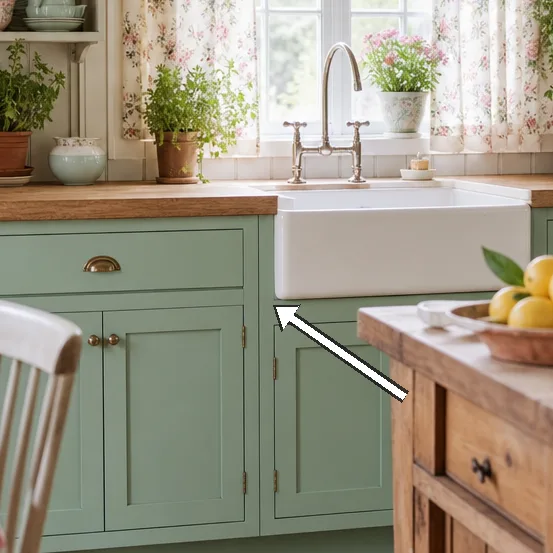
Pastel cabinets frame the room with a quiet confidence that invites longer stays and more careful use of space. We watch the grain of the oak floor run into a soft echo of the cabinet panels, and the effect feels curated yet unforced. The choice of colour leans to pale sage, chalk white, and a whisper of blue, all in satin finishes that read light while resisting fingerprint marks. We measure cabinet doors, note hinge gaps, and test with a damp cloth to confirm durability under daily wear. The hardware remains restrained, slim brass pulls that glow softly and disappear when you look from the dining area.
Practical reasons drive the finish as much as aesthetics. A kitchen of this size benefits from consistent sheen that reads as a continuous plane rather than a patchwork of gloss. We compare enamel and water-based acrylics for washability and ease of maintenance, favouring a durable, non-yellowing surface. The colour continuity helps the eye travel along the wall, which in turn makes the space feel larger than its actual footprint. We consider the effects of humidity and steam, ensuring the finish resists blistering or crazing over years of daily use.
Hardware choices anchor the scheme without shouting. We test slim handles in antique brass and matte nickel to see how they reflect light at counter height. A single line of pulls across base units unites the work zone while the uppers stay visually light. We check edge-to-edge alignment and whether the hardware interferes with a rolling food tray or the kid's drawing on the fridge door. The hardware should feel tactile in use but disappear when not in motion, blending into the cabinet detail. Finally we sketch sightlines from sink to window to confirm that the hardware remains legible from all occupied corners.
Textiles that anchor the palette
 Save
Save
Textiles become the soft thread that holds the palette together. We pick a window seat cushion in a tiny floral print that nods to the curtains, creating a quiet echo rather than a clash. The chair covers repeat the same mood but vary scale so the room reads as a coordinated choir rather than a chorus of competing voices. We favour cotton-linen blends that wash well, resist pilling, and soften with age, bringing texture into play without weight. The cushions should retain form after repeated use, with seams that do not sag.
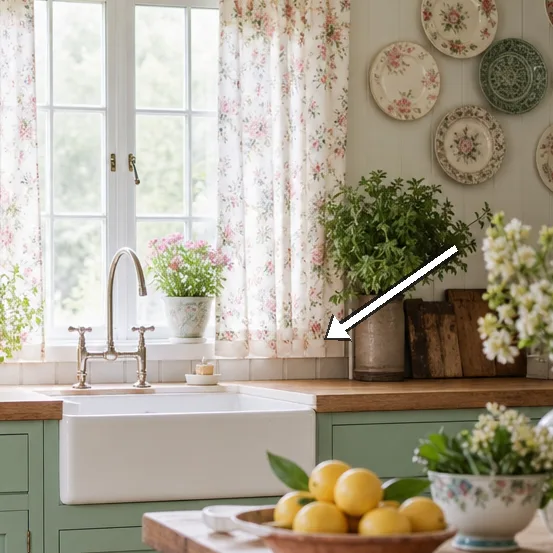
Curtains and blinds contribute to daylight and mood. We opt for linen blends that filter sun softly while keeping the room bright enough for cooking and reading. The fabric weight should be steady enough to resist draughts but light enough to air when needed. We balance weave and pattern so the textiles feel part of the larger fabric story rather than its decoration. A small selection of towels picks up the palette without shouting, reinforcing visual cohesion in everyday action.
Textiles hold the palette in place and invite the touch. A window-seating cushion in a tiny floral print mirrors the soft tones in the curtains without competing for attention. A second larger pattern appears on a chair cover, establishing rhythm while remaining restrained. We favour a cotton-linen mix for durability and a slight napped texture that warms the air and the accent colours. The textile memory travels with the space, shaping the way you sit, read, and eat. Light and texture interweave to keep the cottage kitchen feeling lively yet restrained.
Smart storage without sacrificing charm
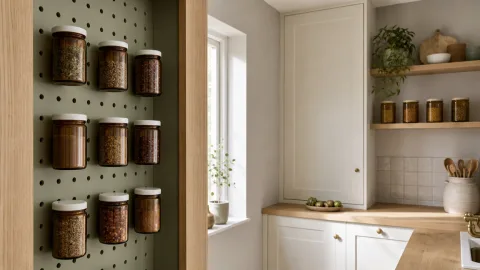
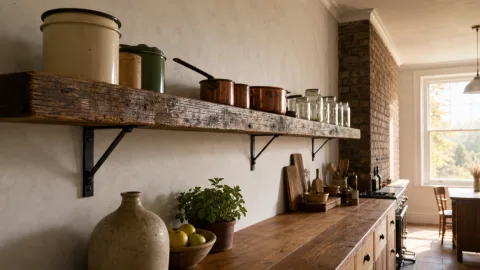
Storage plays the quiet lead here. Open shelves hold jars of flour, sugar, and dried herbs alongside a handful of vintage tins. We test with uniform glass jars and white metal lids to keep the eye calm and the organisation practical. A shallow drawer houses lids, foil, and parchment, while a small pull-out rack stores micro-necessities within arm's reach. The height of each shelf is adjusted to user height to reduce bending, and we note the ease of reaching salt and pepper while cooking.
Hidden storage becomes essential when the cottage footprint is modest. A clever base unit with pull-out trays keeps pans and pots accessible without crowding work surfaces. A slim vertical spice rack on the wall adds function without stealing space from the window. We measure the distance from fridge to sink to ensure a smooth workflow, and we consider an additional pull-out shelf for baking sheets. We test door clearance with a full pot in the sink and adjust for comfortable manoeuvre in daily use.
 Save
Save
Layout choices influence everyday life; we map zones for prep, cooking, cleaning, and coffee. The sink area benefits from a drainboard and a small drying rack that folds away when not in use. In this way, aesthetic charm and daily practicality share the same bench. We test with a compact kettle, a compact toaster, and a single dish rack to ensure the surface remains uncluttered during busy mornings. The result is a kitchen that behaves like a well-tuned instrument, ready for a quiet breakfast or a hurried lunch.
Let there be light: daylight, lamps, and reflections
Daylight leads the room with a soft, variable rhythm that changes through the day. We note that sheer or lightly lined linen curtains keep the glow pleasant without washing colour out. The cabinet surfaces reflect this light, expanding the sense of space. A pendant lamp with warm-blown glass adds date, but remains unobtrusive in height. The overall effect is a kitchen that reads bright by day and cosy by evening.
Task lighting over the sink helps when cooking and cleaning; we envisage a small brass fixture that hangs at a comfortable height. We use bulbs with a warm colour temperature that resembles late-summer sun rather than cold white. The lamps should be easy to switch on with one switch near the door so you can settle in quickly for tea. The light is layered: a ceiling wash, a discreet under-shelf glow, and a focused dish-warming glow at the counter. We test dimmable options to match mood and task.
 Save
Save
Reflective surfaces, pale tiles, and careful colour management bounce light around. We select a pale, glossy tile behind the work area to illuminate chopping and washing. A small mirror near the dining nook doubles the sense of space for maintenance tasks and social moments. The combination of light, colour, and texture creates a cheerful but grounded atmosphere. We consider the echo of glass and porcelain as a tangible idea of daily ritual.
- Let daylight guide fabric choices for a softer glow.
- Display jars and cups to anchor openness and calm.
- Label storage to keep ingredients easy to find.
- Limit patterns to a single scale to avoid busy walls.
- Choose warm lighting to extend the cosy feel into evenings.
Finishing touches that feel lived-in
Finishing touches bring the space to life. Hand-thrown ceramic bowls sit on a shelf, their glazes picking up the cabinet hue. A small herb pot sits on a sill, doing duty as fragrance and decoration. The kettle and the mugs carry a story of mornings and shared tea. We test how a single object can be used every day without becoming predictable.
Seasonality matters; switch cushions and textiles as the year turns. We favour washable fabrics that retain their character after repeated use and washing. A few vintage pieces 4an enamel canister or a wooden tray carry nostalgia without crowding the room. The result is a kitchen that remains useful and inviting through changing light. We catalogue the care steps needed to keep them pristine.
Care and upkeep are part of slow living; we schedule regular checks for wear and tear, reseal where necessary, and rotate scents and flowers to keep the atmosphere fresh. Small repairs, such as touching up a dinged skirting or replacing a tired seal, can be done with minimal fuss. This keeps the cottage kitchen resilient and encourages us to linger. In practice, maintenance becomes a gentle ritual rather than a chore. The space ends with a quiet sense of order that supports a ritual of tea, conversation, and preparation.
How to do it
Step 1: Assess the space
We note constraints, daylight levels, and the existing layout; we record measurements for cupboards, window reveals, and seating.
Step 2: Define the palette
We select a dominant pastel, a supporting hue, and an accent for hardware and textiles, then test chips under daylight to confirm cohesion.
Step 3: Arrange storage
We map prep, cook, and cleaning zones, choosing open shelves, labelled jars, and hidden compartments for lids and tools.
Step 4: Install finishing touches
We position textiles, hang lighting, and place a few ornaments to create a lived-in, cohesive atmosphere.
Common mistakes to avoid
overloading-the-palette
Overloading the palette dilutes impact: too many pastels compete for attention and steal daylight. We see rooms where four separate hues clash, leaving the space noisy rather than calm. A restrained triad keeps the surface finishes honest and clear.
ignoring-hidden-storage
A charming kitchen benefits from clever storage tucked away. We often overlook the back-of-shelf space or a shallow drawer for lids and tools. Without this, even pretty surfaces feel crowded and slow to use.
skimping-on-seating
Seating invites lingering and social use, yet many cottages provide just the table. Where practical, a small bench or a pair of compact chairs gives flexibility for meals, chats, and warm afternoons. Good seating makes slow living possible.
Frequently asked
How do pastel cabinets suit a cottage kitchen?
What scale should textiles be in a small kitchen?
What constitutes good storage in a cottage kitchen?
Which lighting improves mood and usability?
How to maintain pastel surfaces?
Where to source affordable textiles?
What about hardware finishes?
How can a small kitchen feel bigger?
In closing
Looking back, we realise the cottage kitchen is less about a fixed scheme and more about a way of living with light, texture, and function. The pastel cabinets become a quiet backbone that allows the florals to breathe without shouting. The textiles are not merely decoration; they carry memory and intention, shifting with the seasons while remaining resolutely practical. When we measure the space and walk the routes of prep and plate, we notice how simple updates new cushions, a refreshed seal, a well-placed herb pot offer significant comfort. In this room we learned that slow living is not passive; it is a careful choreography of materials, finishes, and routines that supports everyday life. The cottage remains an invitation to linger, to wipe a spill, to pour a cup of tea, and to notice how small details hold the whole together. The kitchen ends not with a final note but with a soft breath of the day, ready for the next gentle moment of creation.