We bought a marble offcut for the obvious reason: it stays cold, and cold is what pastry wants. Warm hands and a warm worktop melt the butter, and melted butter makes tough, greasy pastry; a cool marble slab keeps the fat firm and the dough short and flaky. What we did not expect was the second effect. We meant to store the slab in a cupboard and lift it out for baking days, but it was heavy and the cupboard was full, so it stayed on the counter — and within a month we were baking every week, because the hardest part of baking, starting, had quietly been removed.
Why cold stone matters
Pastry is an argument between you and butter. You want the butter to stay in firm flecks that steam apart into layers in the oven; the butter wants to soften and merge into the flour, which makes a dense, greasy result. Everything that keeps the butter cold is on your side, and marble is the coldest surface in most kitchens. It sits a few degrees below room temperature and stays there, drawing heat out of the dough as you work it.
The same property makes it the best surface for tempering chocolate, working sugar, or simply resting a hot pan. A cool, heavy, inert slab is a quietly useful thing far beyond pastry, which is part of why leaving it out earns its counter space.
 Save
Save
Honed beats polished
A polished marble surface looks glamorous and behaves badly for baking: dough slides on it, and every etch from a drop of lemon shows as a dull mark on the shine. Honed marble — matte, slightly textured — grips the dough just enough, and because it has no mirror finish, the inevitable etches and marks of a working surface simply blend in. A pastry slab is a tool, and tools should wear their use.
Buy from the remnant bin of a stone yard rather than ordering a cut piece. Offcuts are a fraction of the price, and a pastry slab does not need to match anything. We paid less for ours than for a decent baking tin.
 Save
Save
“The hardest part of baking, starting, had quietly been removed.” — Mira
Living with it out
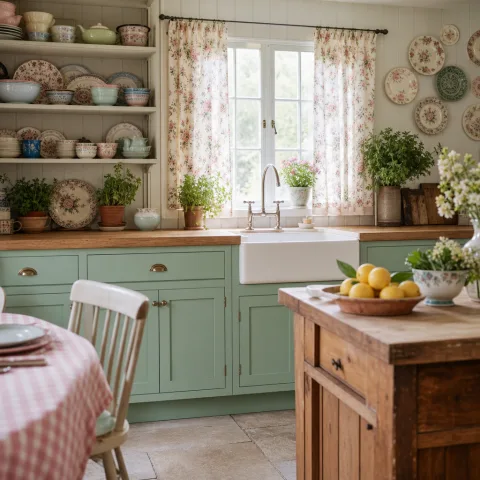
The case against leaving a slab out is clutter; the case for it is use. A tool in a cupboard is a tool you must decide to fetch, and the decision is where most baking dies. On the counter, cool and ready, the marble is a standing invitation. We dust it, roll on it, wipe it, and it sits there looking like it belongs, because honed marble on a wooden counter is a handsome thing as well as a useful one.
Care is almost nothing. A wipe with a soft damp cloth after use, a seal once a year, and a firm rule against acids — no lemon, no vinegar left to sit — because acid etches marble. Treat it as the working surface it is and it will outlast the kitchen.
- Cold marble keeps butter firm — the secret of short pastry.
- Honed, not polished: grips dough, hides the marks of use.
- Buy an offcut from a stone yard's remnant bin for a fraction of the price.
- Wipe, seal yearly, keep acids off — that is the entire care routine.
How to do it
Find an offcut.
A stone yard remnant bin, 40 by 50 cm, honed not polished. Check the edges are eased so they do not chip or cut.

Seal it.
One coat of food-safe stone sealer, left to cure per the tin. This is what keeps oil and the odd splash from staining the porous stone.
Add cork feet.
Four cork pads glued underneath so the slab grips the counter and does not scratch it. Now it will not slide as you roll.
Leave it out and use it.
Give it a permanent spot on the counter. The whole benefit is that it is always cool and always ready — defeated the moment you store it.
Common mistakes to avoid
Buying polished instead of honed
Polished marble looks the part and fights you in use: dough slides, and every acid etch shows as an ugly dull patch on the shine. Honed grips the dough and wears its marks gracefully. For a working slab, matte wins every time.
Soaking or scrubbing it
Marble is porous and soft. Soaking it in water or scouring it with abrasive pads dulls and stains the surface. A wipe with a damp cloth is all it ever needs, and an annual seal keeps it shrugging off spills.
Letting acid sit
A slice of lemon or a splash of vinegar left on marble etches a permanent dull mark within minutes. Keep citrus and vinegar off the slab, and wipe any accidental splash immediately.
Frequently asked
Will the marble crack on the counter?
Granite or marble for pastry?
Do I really need to seal it?
How big should the slab be?
Can I use it for bread dough too?
Is an offcut food-safe?
What about etch marks over time?
In closing
The slab has lived on the counter for a year, cool and floury and exactly where the cupboard would have hidden it. We bake weekly now, not because we found discipline but because we removed a step. A heavy cold stone, left out, turned baking from a plan into a habit.