The pot starts as an object: a dented enamelled cast‑iron casserole we bought used for the price of a coffee. On a Wednesday evening it holds a thin, brothy stew of canned white beans, a fistful of cavolo nero, a few cloves of garlic and a bay leaf. By Saturday the same pot has changed roles — thicker, buttered, a little char on the greens — and still tastes like something made to last. This is the project: one base, forgiving timing and a handful of small changes that make three different dinners.
The pot that keeps on giving
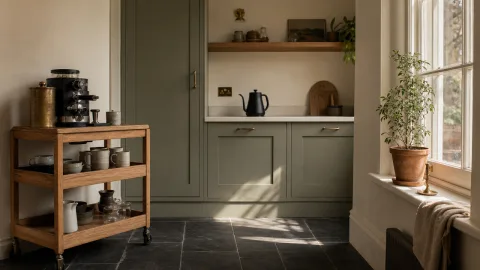
The right pot is heavy, forgiving and unexcitable. Ours is dented, so the enamel is matte in places; it heats evenly and forgives a minute too long at medium heat. What matters more than brand is capacity — a six‑to‑seven‑quart pot gives enough surface to reduce the broth into something substantial while still leaving room for stirring. Keep a wooden spoon nearby, a jar of salt, and a small bowl for tasting. The ritual of stirring while a single window throws light across the kitchen is half the pleasure.
 Save
Save
Three dinners from one pot
- Day 1 — Brothy and bright: ladle straight from the pot, finish with lemon and parsley. Serve with toast.
- Day 2 — Thick and buttery: crush a cup of beans against the pot wall, stir in butter or olive oil for silkiness.
- Day 3 — Sautéed and raucous: pan‑fry spoonfuls until crisp edges appear, or toss with a little pasta and tomato for heft.
 Save
Save
A forgiving method
This is not a precise formula but a rhythm: sweat an onion slowly, bloom garlic, add beans and stock, toss in greens near the end. Salt late; bitter greens concentrate, and a premature seasoning makes the broth taste flat later. Canned beans are entirely fine — they speed the week and encourage repeat servings. The goal is a base that tolerates time, so the stew should be neither a soup nor a paste until you decide which dinner you want it to become.
 Save
Save
“A single pot is less about convenience than about building a quiet habit.” — Mira Aslani
How to do it
Sweat the aromatics
Warm two tablespoons of olive oil over medium heat, add a diced onion and a pinch of salt, and cook until soft and pale golden, about 8–10 minutes.
Add beans and stock
Stir in two cans of drained white beans, three cups of vegetable or chicken stock, a bay leaf and a few cracks of black pepper; bring to a gentle simmer.
Introduce the greens
Tear or chop a large bunch of bitter greens and add them in batches so they wilt evenly; simmer 8–12 minutes until tender.
Finish and portion
Taste for salt and acid — a squeeze of lemon or a splash of vinegar brightens the pot — then divide into portions and decide which variation to make tonight.
Frequently asked
Can I use dried beans instead of canned?
How long will the stew keep in the fridge?
Can I freeze portions?
In closing
Treat the pot as a humble frame rather than a dish. Make a big pot, leave it on the stove, and let a few small garnishes — lemon, olive oil, fried garlic — decide whether tonight is brothy, buttery, or bright. It’s less about a recipe and more about a reliable scaffold for improvisation.