During a quiet Saturday, we started with a simple objective: find a chair that would occupy our awkward living-room corner without shouting for attention. We checked several local charity shops, then broadened to reputable second-hand dealers online. The search felt slow, almost meditative, because we wanted a piece with a story rather than a perfect finish. Leather wear marked by age told us more than a glossy new hide ever could. We measured the corner repeatedly and sketched layouts on paper to avoid later remorse. The chair, second-hand and leather, promised both texture and restraint in equal measure. Over three weeks we balanced wishful thinking with practical checks, watching how light, scale and habit shape a room. The process taught us not only about furniture, but about the pace at which space can welcome change. We finish with a corner that feels calmer, warmer, and more human than before.
Sourcing the chair and setting a budget
During a quiet Saturday, we started with a simple objective: find a chair that would occupy our awkward living-room corner without shouting for attention. We checked several local charity shops, then broadened to reputable second-hand dealers online. The search felt slow, almost meditative, because we wanted a piece with a story rather than a perfect finish. Leather wear marked by age told us more than a glossy new hide ever could. We measured the corner repeatedly and sketched layouts on paper to avoid later remorse.
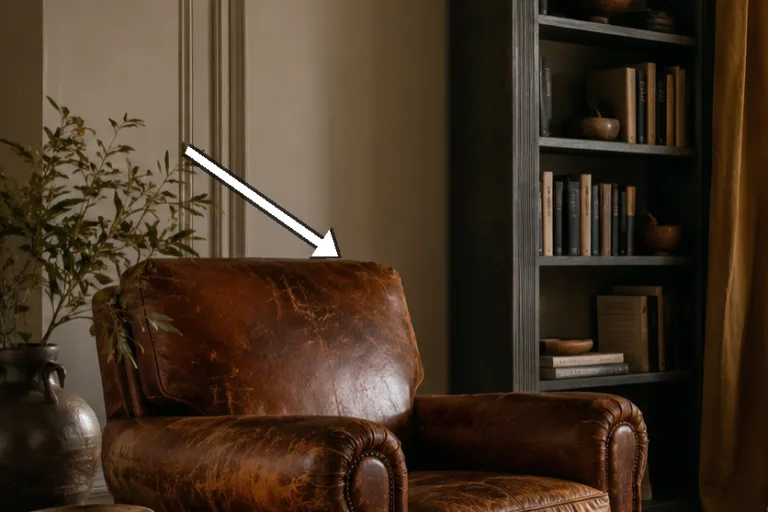
At our favourite vintage shop, a worn leather armchair yielded a familiar thrill: years of sun and conversation imprinted in the grain. The price sat at £260, a figure we felt could be softened with patience and a respectful offer. The assistant listened, offered a two-visit courtesy, and suggested placing the chair on hold while we considered the cost against our budget. A quick half-hour break allowed us to recalculate and compare our options against a similar chair elsewhere. In the end, we agreed on £180 after presenting a plan for a gentle homecoming and a condition check.
Inspecting the chair carefully, we noted the leather's dryness, a few scuffs, and a well-worn seat and back. The frame appeared solid, with a few wobbly joints that a professional would tighten, but nothing dangerous. We arranged a day for pickup that avoided peak traffic and protected both seat and terrace doors. The seller demonstrated a quick sit test, confirming that the cushions retained bounce and the springs held. We rented a small van for the journey, hoping to keep the armchair steady through the narrow hall.
Placement and spatial dynamics
 Save
Save
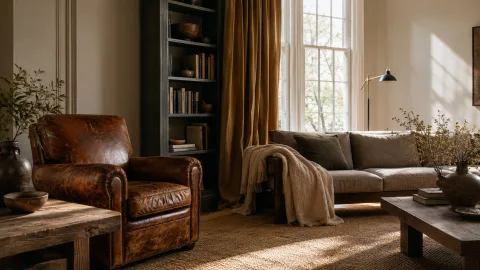
Back at home, we staged the corner with tape on the floor to mark where the sofa, rug, and doorway would align. We tested several angles, noting how the chair's depth altered traffic patterns and eye line toward the window. Two attempts later, the chair felt balanced against the coffee table, neither crowding the doorway nor shrinking the light. We measured again, using a soft measuring tape to confirm clearance for foot traffic and for opening the cabinet. Finally we decided on a gentle diagonal, which opened the traffic path and made the corner feel deliberate rather than squeezed.
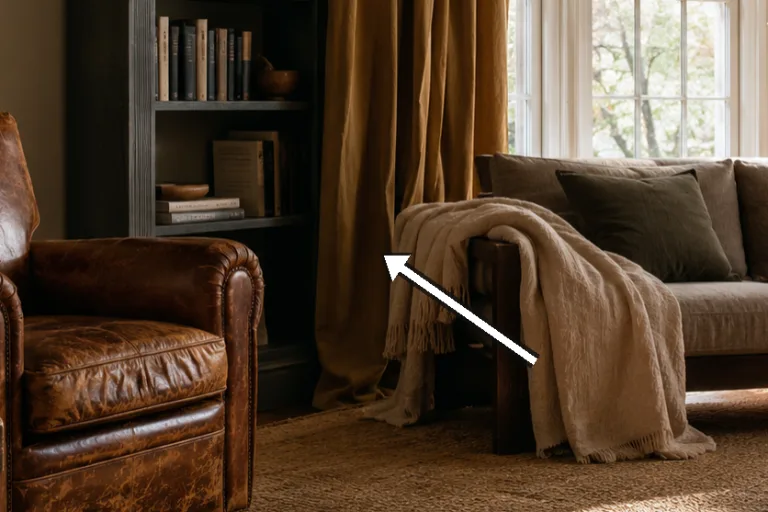
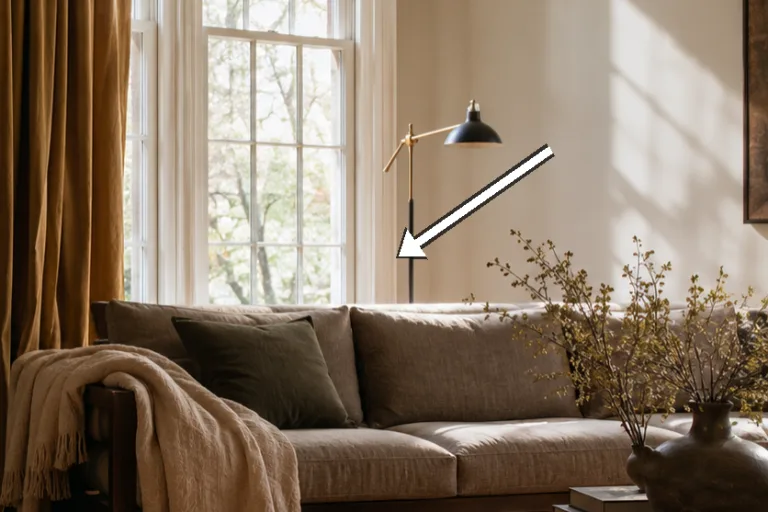
Lighting at different times of day changed the corner's mood, so we observed it under morning sun, afternoon shade, and the glow of lamps. The leather's warmth reflected back on the walls, and the chair seemed to claim a new anchor for the room. We adjusted the sofa placement slightly to align with the armchair's back and to create a conversational triangle. Fabric sheen on cushions and the armchair's edge read differently as we moved, guiding our choice of throw and plant. We paused to check the door clearance again before finalising the spot, ensuring nothing would snag on the way in.
Place, distance, and scale mattered as we stood back and surveyed the room as a whole. The corner previously felt crowded; now it had a resting point that invited dwell time. The chair's silhouette balanced the low sofa and the square rug, creating a quiet anchor for the eye. We considered cable routing and the chair's shadow, ensuring it did not dominate instead of complement. At last, we confirmed the anchor by sitting in it, noting posture, leg comfort, and the room's other rhythms.
Pro-tip: always test the view from the chair at standing and seated heights, and observe how light shifts through the corner at different times of day.
Leather care and patina
With the chair in place, we began a light cleaning routine to assess how the leather responded to the new environment. We brushed away dust with a microfiber cloth and avoided any wet cleaners that could threaten the patina. The dryness we noticed earlier was mitigated by a slow conditioning schedule, applied sparingly every two weeks. At the same time, we checked the seams for signs of creasing and warmth in the leather as a cue for conditioner depth. Over the weeks, the leather softened along the armrests where hands often rest, a small but meaningful change.
 Save
Save
Patina is a quiet dialogue between light, air, and use. We documented shade changes across the day to understand how the chair's colour aged. Small nicks gained character rather than damage when treated with patience. Oil numbers and finish gloss varied; we kept a careful schedule and avoided over-labelling. An unforeseen factor was the sofa's proximity; the juxtaposition influenced perceived warmth.
Looking ahead, we plan to maintain a regular wipe-down and a quarterly polish. We will keep at least a three-month gap between heavy cleaning sessions to preserve the leather's natural oils. The aim is a lived-in character rather than a showroom gloss. Any repairs will be staged by a professional to avoid compromising the leather or the frame. And we will adjust our care routine as seasons change, watching how patina deepens with use.
“"A chair doesn't merely fill a corner; it invites conversation with the room's quiet patience."” — Mira
Textural balance and accessories
Texture in textiles helps unify leather with the sofa's fabric and the rug's pile, turning contrast into conversation. We added a throw in a muted lambswool and a natural jute footstool to echo the chair's tone. Colour becomes a slow dialogue; the corner reads more cohesive when patterns repeat at a quiet scale. We avoided competing textures and instead built a soft, layered field where the chair anchors the space. Movement of people around the chair added life to the corner and indirectly encouraged better seating posture.
Plants near the chair contribute airiness and vertical balance. The interaction of glass, wood and leather reflected light differently, changing the corner's feel through the day. We considered a small shelf or a wall-hung mirror to draw the eye without crowding the arm. Lighting was harmonised to avoid glare and preserve a sense of calm. These choices created a vignette that invites lingering rather than brisk passing.
 Save
Save
We rehearsed a routine of daily corners and weekly deep cleans. We tested cushions for firmness to protect the chair's profile and ensure comfortable seating. The goal remained to preserve the armchair's generous silhouette and the room's human-scale proportions. We reflected on the chair's movement from discord to integration and how that changed our daily pace. Ultimately the corner feels purposeful, approachable, and quietly content.
- Create a conversational triangle with chair, sofa, and coffee table
- Keep a clear path for doorways and traffic
- Choose a throw to echo the leather's warmth
- Use a plant to soften the silhouette
- Check lighting at different times of day
Rituals, care, and long-term hope
With the chair settled, we found small rituals that keep the corner alive without fuss. Weekly dusting, monthly conditioning, and seasonal re-evaluation of layout have become our quiet standard. We watch how visitors respond to the space, noting how their gaze lingers on the leather's glow. Our slow approach breeds appreciation rather than novelty, and the room begins to breathe with us. From this corner we learn that care is a practice, not a product.
Even as tastes shift, the chair remains a steady sign that living rooms can age with grace. It is less about trend and more about patience, the direction of light, and shared comfort. Perhaps this is the point of any piece with a history: it asks us to slow down and listen. We aim to keep listening to the leather's patina and to our own rhythms in the room. That listening becomes part of the room's value, not merely its style.
The chair's integration brings a quiet confidence to the room and a gentler pace to our days. It did not fix every fault, but it reframed how we live with the space and with one another. Careful placement and patient use have allowed the corner to become a inviting, practical nook. Speed is replaced by attention, and attention by gratitude for the story this chair carries. That gratitude makes the room feel more like home with every season.
How to do it
Assess and measure
Take exact measurements of the corner, doorways, and the chair's footprint, then test several layout options before lifting.
Arrange transport
Use a dolly and protective blankets to move the chair safely, avoiding doorjambs and flooring damage.
Place and adjust
Set the chair in the chosen spot, then refine position by stepping back and observing sightlines, light, and traffic flow.
Document care routine
Create a simple weekly/fortnightly care plan for leather conditioning and upholstery maintenance.
Common mistakes to avoid
Underestimating reach
Initial measurements suggested more space than we had; the chair's bulk crowded the doorway and altered traffic flow. We learned to map the path of every door swing and to rehearse the move with someone guiding each angle. A dry run with tape on the floor prevented last-minute scrapes.
Neglecting lighting at dusk
Daylight lured us into favouring warm leather, but evening lamp warmth changed the chair's presence. We forgot to test the corner under incandescent and low-watt bulbs. The result was a flat, dull silhouette that didn't do justice to the patina.
Skipping maintenance
We skipped the routine conditioning for two weeks, thinking the chair would settle. The leather stiffened around the seams, undermining comfort and the chair's overall appeal. Regular care proved essential to keep the chair inviting.
Frequently asked
Why a second-hand chair in leather?
How did you assess condition?
How do you prevent damage to floors during moves?
What care does leather require?
How long did the process take from decision to placement?
What about heat and sunlight?
How do you know you’ve found the right spot?
Would you do it again?
In closing
With the year turning and the room settled, the chair feels like a small hearth. It does not erase space's stubbornness, but it invites slower decisions and kinder attention. That shift, measured in minutes rather than moments, has changed our day-to-day routines. Care for the leather and care for the room have become one practice. Perhaps this is what slow living looks like in practice: a corner that ages with us, and a room that ages with patience.