In this field report we enter a room that has been shaped to slow the mind as the night settles. The focal point is the bed, yet the scene is about texture, scent, and the quiet discipline of colour choices. A heart of rose petals spans the duvet, magenta and lush, a simple intervention with a powerful effect. The I love you balloons hover above the headboard, catching the soft glow from wall lamps and throwing a pink reflection on the marble backdrop. The sheets are crisp percale, the pillows lined in white linen with a delicate monogram, and the bedside tables hold only essentials: a clock, a single candle, and a small dish for rings. This is not a show-room display but a deliberate, slow-living moment designed to deepen rest and connection.
The heart-on-the-bed ritual
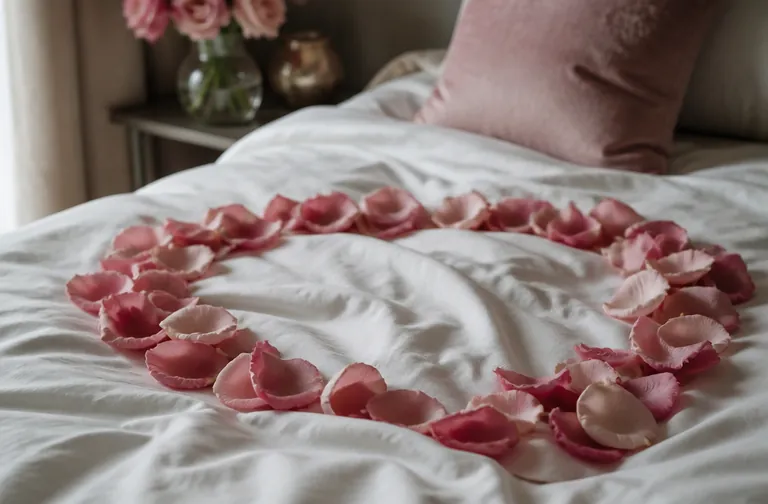
On entering the room we immediately notice the symmetry: the bed sits centrally between two slender nightstands, each topped with lamp shades that throw a warm, forgiving light. The heart of petals spans the main surface in a soft, glowing ellipse; the scent is faint, a whisper of rose that mingles with the clean cotton and marble behind the headboard. We measure distances with a patience that would bore a brisk decorator, but this is precisely the point: a balanced arrangement invites the body to lie down more slowly, to breathe as the petals catch the light. The choice of magenta is not accidental; it roots the romance in a colour that feels festive yet timeless. The balloons, while bright, do not dominate when the eyes rest on the bed; they act as punctuation marks to the scene rather than the sentence itself.
To achieve the layout we used a shallow tray as a guide for petal placement, then numbered sections so that a partner could continue the ritual without guessing. We allowed a generous white field in the centre to remind us that rest is not simply the absence of motion but a space with intention. The petals were fresh from a local florist and gently pressed into place to avoid tearing the linen; later, we hydrated them with a light mist of water to keep colour from fading. We took photographs to document the moment for future recreations, noting how the petal density changed with angle of light. If the mood of the room should shift, we have a plan to peel back petals gradually rather than all at once, preserving the memory for another night.
Above the bed the balloons create a soft canopy that is playful rather than loud; their metallic sheen reflects the ambient light and makes the room feel larger. The surface of the duvet remains clean enough to call us back to the fabric's quality rather than to the decoration; we are reminded that even romance requires calm material truth. The headboard, upholstered in a pale taupe, anchors colour while allowing the pink to breathe. We rotate the arrangement every few days to avoid petals sticking and to keep the memory fresh. In this room we observe how a single idea, executed with care, can alter the rhythm of a night and foster genuine pause.
Textures and light for romance
 Save
Save
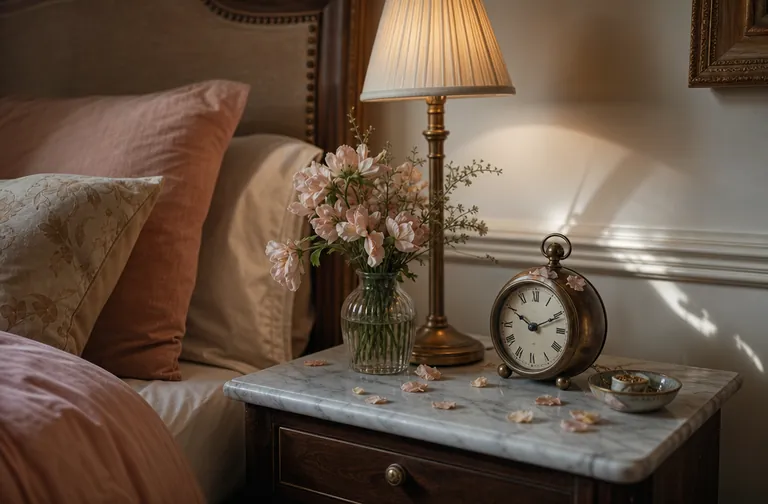
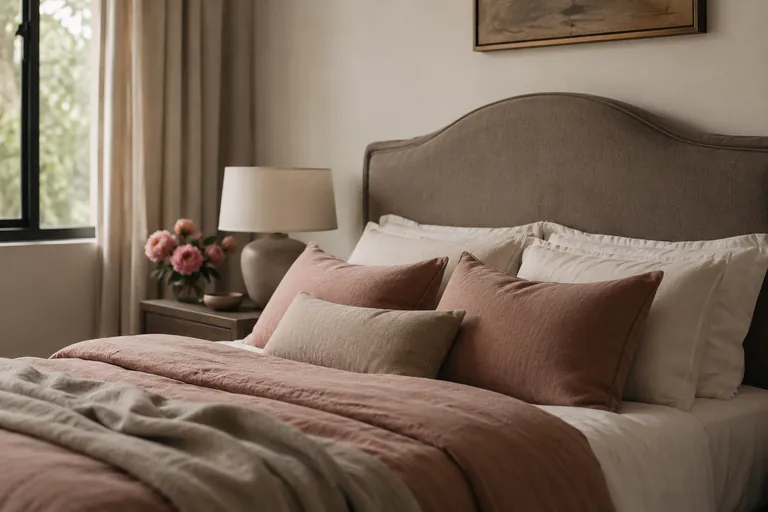
Textures are the true language in a scene like this; we read them with our hands as much as with our eyes. The sheets are percale, the pillowcases plain cotton, and the headboard is upholstered in soft wool-like linen. The contrast between the velvet's depth and the sheer whiteness of the sheets creates a tactile drama that invites touching without intruding. We kept the room uncluttered, allowing the rose-petal heart and the balloons to speak in a quiet vocabulary of affection. The lamps on either side have a warm glow that does not glare, but rather composes the air around the bed. The overall effect is restraint: romance does not require abundance of objects, but a careful balance between softness and structure.
Lighting matters as much as composition; we aimed for a stable amber-to-natural mix that preserves the petals' saturated hue as evening deepens. With the candles lit we notice how the heat softens the edges of the petals and makes the centre appear almost luminous, a trick the room plays with confidence. The pro-tip below helps those who want to try a similar setup without committing time or money to a major makeover. We tested the arrangement with a light breeze from an open window and found that the petals settled differently on each pass, teaching us to adjust slowly rather than force a fixed silhouette. The result is a space that feels both intimate and serene, with romance rooted in restraint rather than spectacle.
Light, memory and mindful pause
Light remains the quiet collaborator; the candles bathe the headboard in warmth, while the balloons bounce soft reflections across the walls. We document how the room changes as a single flame moves, and how the petal edges catch a different hue as the angle shifts. The memory of this scene lasts longer when the air is not heavy with perfume but light with breath. The room becomes a theatre of small gestures: a hand finding a pillow, a shared glance, a deliberate pause before turning toward the night.
 Save
Save
We are not chasing perfection, but an invitation to slow together; the bed becomes a stage for silence rather than a theatre of demands. The heart's imperfect symmetry invites eye contact rather than critique, and the room rewards patience with richer shadows. We observe how a faint rose fragrance tapers toward dawn, leaving a memory rather than a scent track. The balloons remain a playful punctuation mark, reminding us that romance can be light-hearted and deeply sincere at the same time. Ultimately the ritual serves as a reminder that presence matters more than decoration.
“The act of slowing down together teaches us the art of rest” — Mira
Keeping memory alive through routine
Keeping the memory of this night alive requires a gentle routine that can be repeated, not a one-off flourish. After the blankets cool we gather the petals gently, press them between clean sheets, and decide whether to reuse them in two days or to dry them for a memory box. We document the process, noting how long the fragrance lingers and how the room's warmth influences the pigment. The exercise becomes a small programme rather than a single ceremony, a practice we can return to when the days feel hurried. The design impulse is not about accumulation but about rebuilding intention after time has passed.
We arrange for aftercare: scrub any wax drips, refresh the linen with a clean tumble, and place petals in a small tray ready for a second appearance or careful storage. We keep a jar of lavender sachets nearby to neutralise dampness and to remind us to reset the scene later in the week. The practice is not about permanence but about continuity; a memory that can be revisited and reshaped rather than discarded after a single evening.
 Save
Save
- Store petals in a cool, ventilated container and replace every two days to maintain colour.
- Keep a small memory tray ready to collect stray petals and wax residues before renewal.
- Photograph the sequence at three intervals to help reproduce the layout later on.
- Rotate focal points in the room so the memory feels fresh on subsequent nights.
Practical steps to recreate at home
To bring this scene to life in your own bedroom you start with a plan: select a clean white sheet, a taupe or pale grey headboard as a quiet anchor, and a small bouquet of fresh petals. Lay out the heart on the centre of the bed with a gentle hand, avoiding an overabundance of petals that could overwhelm the textiles. Place the balloons in a soft arc above the headboard and adjust height so they do not snag the light. Set the lamps to a warm, forgiving level and test the balance by sitting on the edge of the bed to ensure the space breathes while you move. Finally, choose a couple of minutes for a slow breath together before you lie down.
We also suggest planning a short ritual to follow each time you refresh the scene: pause, smooth the petals gently into new positions if needed, light the candles, and share a quiet moment with your partner. The aim is consistency rather than complexity—small, repeatable acts that accumulate into a memory rather than a single spectacular night. This approach keeps the routine approachable and prevents decoration from turning into a burden. With patience and careful materials, a bed can become a sanctuary rather than merely a place to sleep.
How to do it
plan-the-heart-petal-layout
Choose a white sheet as the base, gather fresh petals, and map a heart outline before placing any petals.
place-balloons-and-light
Hang the balloon strand above the headboard and set lamps at a generous, even height to create a balanced halo.
pause-and-adjust
Take a five-minute pause to assess symmetry and adjust petals for smooth curves and even saturation.
document-and-refresh
Take photos for memory, then refresh petals and wax for the next twenty-four to forty-eight hours.
Frequently asked
How long should a heart-petal romantic setup last?
What if I have pets or small children?
What materials are essential?
Can this be done in a small space?
How should I preserve memory afterward?
How to clean petals from linen?
Is this staging style suitable year-round?
In closing
This room teaches us that romance is not a price tag or a grand gesture but a corridor built from measured choices, patient hands, and memory-friendly materials. The heart of rose petals is a small but potent symbol that invites restraint rather than excess, quiet collaboration rather than spectacle. By choosing textures with care, balancing light with shadow, and allowing space for pause, we transform a bedroom into a sanctuary where rest and connection can flourish. The ritual remains repeatable, adaptable, and ultimately personal, a template for quiet evenings that feel deliberate rather than accidental. We leave with a clear reminder: slow living is not a retreat from life but a method of living more deeply, one petal at a time.