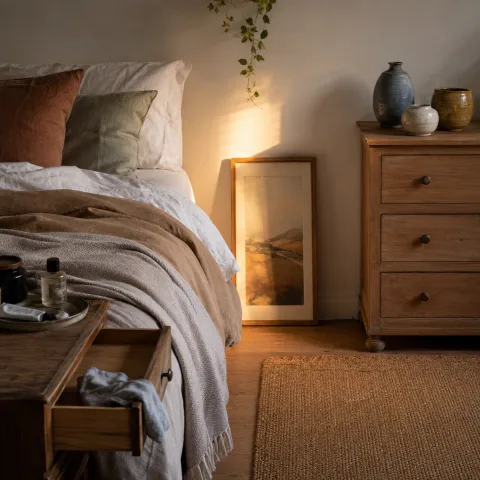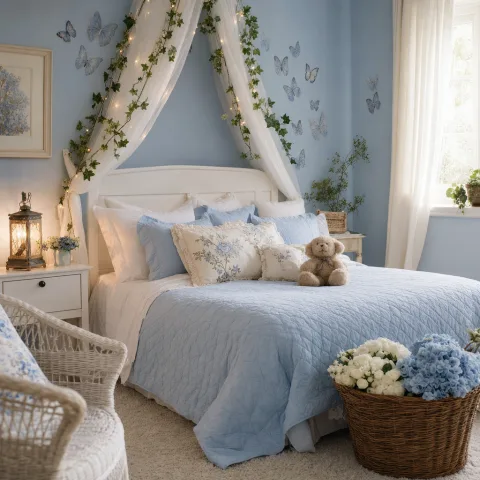
We approached the room with deliberate calm, ready to observe how small choices shape a sleeping space. Our aim was not decoration for its own sake, but a practice of slow living through touch, light, and scent. The bed would become a stage for quiet rituals rather than a showpiece. We began by surveying baseline textures and the geometry of the room, noting where the eye travels first. Rose petals were selected to read as soft punctuation on linen, never as a heavy bouquet. Candlelight would sketch soft borders and keep the dusk in the air rather than chase it away. The result needed to feel intimate, sleep-ready, and easy to repeat in future nights.
The Rose Petal Setup
From the door, we studied the bed as a quiet canvas, then traced the line where duvet meets floorboards. We chose a restrained palette of ivory, blush, and soft grey to guide the eye gradually. The rose petals formed a loose spiral along the duvet edge, catching candle glow without appearing staged. We tested the depth of petals by lifting the duvet to observe how shadows settled on the weave. The effect needed to feel intimate rather than theatrical, a small drama you can sleep within. We placed a single, unobtrusive vase on the dresser to balance the scene without repeating the same floral note.
As texture joined the scene, linen and wool took the stage. We selected a white-linen sheet set and a blush quilt to mirror candlelight softly. Two small velvet cushions and a larger lumbar pillow offered tactile dimension without swelling the bed's silhouette. Each item was positioned slightly off-centre to suggest a lived-in moment rather than a rigid tableau. We checked the balance at eye level, slowly stepping back to assess how petals and textiles refracted light across the surface. A final sweep of the crest of the duvet confirmed the calm line we sought.
Fragrance was kept faint, a subtle whisper that lingered near the dresser rather than the bedhead. We tested the relative scent strength by pausing at the doorway and inhaling; the air should read rose, not overpowering perfume. We avoided saturating fabrics by deploying petals on the duvet edge, not across full surfaces. The scene was designed to breathe; we reassessed every two minutes to keep the mood aligned with respiration. In this initial setup, light and texture carried more weight than colour, preserving a soft, memory-anchored atmosphere.
Candlelight as a Soft Scaffold
 Save
Save
Candlelight became the room's scaffolding, guiding the eye along the bed's edge while remaining a gentle partner to sleep. We tested two sizes of beeswax, settling on a small candle that burned cleanly and produced a warm, honey-burnished glow. The flame moved across the duvet in a slow arc, highlighting the fabric's grain without glare. We positioned the candle on a heat-proof tray at a safe distance from petals and linens. We trimmed the wick to a quarter of an inch to reduce soot and uneven burn, then watched how the light softened as the wick consumed.
To avoid a flat punch of light, we added a second, lower candle on the bedside table. The ratio of shadow to glow created depth around the pillow line and along the headboard. We briefly tested a mirrored surface to reflect a tiny fraction of brightness and create a quiet second glow. The goal remained to preserve dusk rather than erase it; the room should feel as if the day lingers gently into night.
We considered safety and ritual in tandem. We moved the candles only after the petals settled and the bed looked composed. We kept the overall luminance low, noting how candlelight altered fabric colours and the linen's natural sheen. The ritual was not theatrical but a layering of warmth, shade, and time.
Dusk-Tuned Textures and Layers
With dusk deepening, we focused on how fabrics capture light and how the room reads as a map of touch. The linen sheets embraced warmth when brushed with the candle's glow, and their weave revealed subtle depth. The palette remained pale, allowing shadows to play gently across folds. We checked that the wool throw lay smoothly, avoiding bulk at the foot of the bed.
 Save
Save
A velvet cushion added depth while remaining restrained enough to avoid bulk at the headboard. We rolled the wool throw loosely at the foot of the bed to catch the warmth. We tested temperature by resting a hand on the edge of the duvet and noting the comfort. We rotated cushions until the profile read as a gentle wave rather than a stack.
We tested fragrance consistency by stepping out and back in, confirming the balance remained intact. The petals' edges caught the candlelight and created a soft, mottled highlight along seams. We avoided plastic or synthetic textures that would clack against the natural materials. The space felt stable and timeless, a small pocket of room for reflection. We took a final sweep to ensure no stray petals occupied unintended zones.
“Candlelight teaches the room to slow down, one breath at a time.” — Mira
Soundtrack of Silence and Breath
Sound became a deliberate layer, subtle enough not to compete with the room's own quiet, yet present enough to guide breathing. We built a short playlist of acoustic guitar and piano that read softly against the candle's pulse. The room listened with us, letting the sentences of sound drift like a second aroma. We left margins of silence between tracks to preserve distance between music and sleep. The air carried the scent of petals and beeswax, layering memory with mood.
We timed a 25-minute interval where the room could breathe without human bustle, then paused to note changes in posture and pace. The bed read as a quiet cradle, inviting a long exhale and a deeper sigh. We observed how silence, properly curated, could be almost musical in its steadiness. The interplay of fabric, light, and nothingness began to feel like a gentle choreography.
 Save
Save
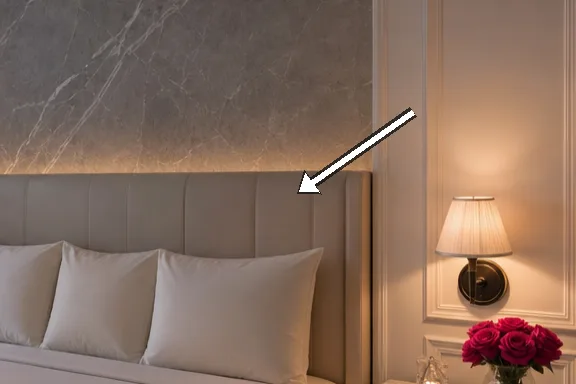
We evaluated how the reader would perceive the scene after closing the door. Would a guest feel welcomed, or would the space feel too intimate to share? We considered two seating options nearby for possible bedtime chats that might occur. The balance between intimacy and invitation remained our guiding principle. We left the window slightly ajar to peek at the dusk-charged air.
- Curate a soft palette of warm neutrals and blush accents.
- Layer textiles with tactile varieties—linen, wool, and velvet.
- Place petals with intention, avoiding overcrowding and clutter.
- Schedule candlelight to align with the room's natural dusk.
- Keep the space tidy and sleep-ready for the next morning.
Assemble for a Gentle Night Routine
Finally we assembled a compact night routine that could be followed by a couple or a single occupant. We drafted steps that could be repeated nightly or adapted for a weekend break. The aim was to empower a user to recreate the mood in under fifteen minutes, with a rhythm that never feels rushed. We tested each move in the order that felt most human: breathe, light, settle, release.
We would begin by dimming overheads and lighting the beeswax candle, watching the glow settle into the fabric's grain. We ran through a final check of textures: the cushions, the throw, the sheets, and the edges of the petals, ensuring nothing snagged. We aligned the window view with the bed so dusk framed the scene and preserved the mood. We ensured safety: no clutter near the flame, no drafts on the bed; everything stayed within reach for a calm exit to sleep.
We paused to observe how the petals dried and how the fragrance mellowed with time. We tested the bed's comfort by lying down for a minute and adjusting pillows for a shallow massage of the scalp and neck. We documented any restless spots and rebalanced the throw to smooth them. We reminded ourselves that slow care yields a richer atmosphere, one that calms the breath and softens the jaw.
How to do it
Start with a clean slate
Clear surfaces, launder sheets, and prepare the bed as the base for mood. Remove electronics and tidy the floor to create a blank canvas where texture and light can narrate the scene.
Lay textiles and petals
Lay the linen sheets first, smooth along the length of the mattress. Scatter petals in a deliberate, low-contrast pattern that reads as care rather than ceremony.
Light candles and set timer
Light the beeswax candle and place it on a heat-proof dish away from fabrics. Set a timer for 60-90 minutes and check wavering flame to keep the glow steady.
Tend dusk mood and routine
Close blinds to soften the view and maintain a quiet atmosphere. Follow the routine with a slow breath, a short stretch, and the last look at the softly lit bed.
Common mistakes to avoid
Overcrowded surfaces
A cluttered dresser or too many candles can overwhelm the eye and break the scene’s quiet rhythm; we learned to curate one focal point.
Overbright lighting
Bright ceiling lamps erase the dusk mood. We kept to low-watt bulbs or candles and used dimmers to preserve the night’s softness.
Petals pooling on textiles
Petals can stain fabrics if left in place; we tested placement on hard surfaces first and then on a shallow tray to keep linens pristine.
Frequently asked
What did we notice first about the scene?
Which element was most effective for atmosphere?
What materials mattered most for comfort?
How did petals affect the mood?
Did fragrance interfere with sleep?
What were the safety considerations?
How long did the scene linger after setup?
What would you change next time?
In closing
In this small room, the ritual and restraint became a language of rest. We learned that romance in interiors is less about display and more about timing, scent, and breath. The rose petals, candlelight, and dusk did not shout; they invited. When the wick burned low, we stood back with a quiet certainty that slow, intentional choices cradle sleep with grace. This exercise teaches us to carry gentleness into future rooms, returning to breath as a guide and to light as a companion.