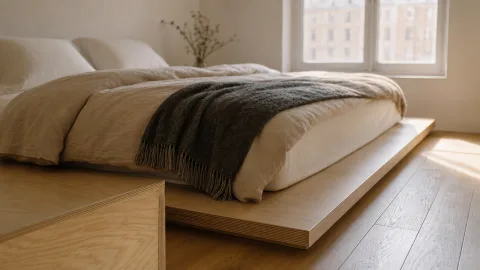
From the earliest sketches we had a calm sense of the outcome: a low bed that feels part of the room, not an afterthought. We wanted to avoid a bulky frame that would trap dust or look clumsy beside the dresser. Our approach was pragmatic: measure, compare, and test with the mattress on hand. We kept the cost modest and the finish clean, choosing materials that breathe. We documented every step for future reference and to share with readers who seek quiet, durable updates. The result would rely on careful assembly and modest ambition.
Planning and measurements for a truly grounded bed
Before lifting the mattress we mapped the room in careful, sane steps. We measured from the wall to the window, noting only how the daylight would fall on the timber. The goal was to create a platform low enough to read as furniture, not a temporary stage. We drew a plan on graph paper, choosing a height of 18 centimetres to balance bed comfort with existing skirting. We checked under-bed clearance for storage boxes and for any drafts that might creep along the base. Then we paused to walk the space again, adjusting the line of the headboard to keep walking space clear.
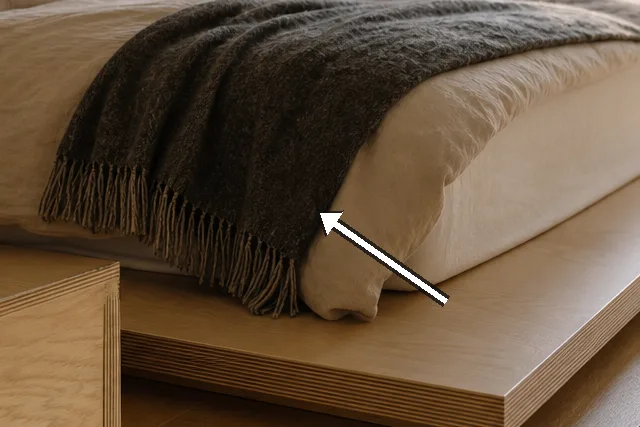
With measurements settled, we selected material that could stand up to daily use. We settled on 18 millimetre birch plywood for the platform, plus a 12 millimetre brace to pin the frame to the wall if needed. The chosen sheets arrived flat and clean, with minimal voids to avoid creasing under load. We planned for a floating look by fixing the frame to the wall with small brackets rather than tall legs. A test cut in the workshop revealed how much the fibres would resist bending; we drew further safety margins. The final mix of plywood and batten would keep a low profile while supporting a heavier mattress.
We reorganised the hall outside the bedroom to create a clean cut zone. We gathered a circular saw, a hand plane, clamps, and long spirit-levels to keep surfaces true. We set the saw depth to 18 millimetres to avoid through-cutting into skirting. We sanded edges to a smooth bevel so no corner would catch a sock or a sleeve. We laid down a dust sheet and wore breathing masks to keep the air clear during work. We double-checked that all fasteners and brackets were corrosion-resistant for longevity.
Our plan included a simple slatted internal base to improve airflow and mattress longevity. We cut 4 uprights and 8 crosspieces, then drilled pilot holes to prevent splitting. We used countersunk screws and a gel-based wood glue to ensure the joints stayed square. We measured again against the mattress thickness, adjusting the clearance to avoid contact with the springs. The platform would not touch the walls directly, allowing a thin skin of air to circulate behind the headboard. Finally we sealed the edges with a light coat of satin varnish for a durable finish.
Choosing materials, salvaged or new, and budgeting accordingly
 Save
Save
Budgeting for the project began with a clear cap and a detailed bill of materials. We compared new sheets with salvageable boards from a local supplier, prioritising straight edges and stock that would minimise waste. We estimated the total cost for plywood, screws, brackets, sandpaper, glue, and finish to sit around £110 to £130. We also included a couple of extra packs of screws in case of mistakes or future adjustments. We planned to reuse any offcuts for small repairs elsewhere in the room, extending the value of the project. Our decision to keep the design simple helped us sleep easier about the budget.
During receipt and unpacking the materials we checked for warps, voids, and the occasional bark seam that would need extra attention. The birch plywood felt impressively flat, and the brackets came in a discreet, rust-resistant finish. We chose a clear satin varnish to preserve the natural grain without adding glare or weight. We kept a tally of each item as it entered the room, noting the exact stock numbers for future re-orders. The cost was again balanced against finish quality to avoid cheapening the feel of the final bed. Overall, the budget held tight despite a couple of small upgrades mid-course.
With the numbers settled, we moved to the practicalities of assembly and fastenings. We decided on a single, continuous top surface rather than individual panels to reduce wobble. We laid out the crosspieces on the floor and dimensioned every cut before any blade touched the wood. We planned to pre-drill holes to prevent splitting and to use a low-profile screw head for a seamless surface. We set aside a two-hour window per stage to avoid rushing; this helped keep joints tidy. By the end of the day the frame breathed a quiet confidence, even before the mattress was tested.
Assembly day and a quiet, steady build
On assembly day we began by aligning the frame to the wall line and double-checking the headboard clearance. We used a straightedge and the level to keep everything square as the main beams met the uprights. The clamps held fast while we drilled pilot holes and set the frame into its final shape. We tested the flatness with a long spirit level, adjusting as needed to avoid a wobbly finish. We attached the top panels with countersunk screws so the surface remained perfectly even. The practice run gave us confidence in the long-term stability of the platform.
Next we added the internal cross supports for rigidity and airflow, avoiding any dead zones beneath the mattress. We drilled through the uprights and anchored the screws with careful torque to prevent strip-outs. The bed began to take on the air of a real piece of furniture rather than a temporary fix. We left the framework to set for an hour while we prepared the finishing touches in the room. The room’s natural light helped us assess the platform’s solidity, room-tone, and how it would look with the bed dressed. Finally we slid the mattress into place, then lay down to test the feel of the new height.
 Save
Save
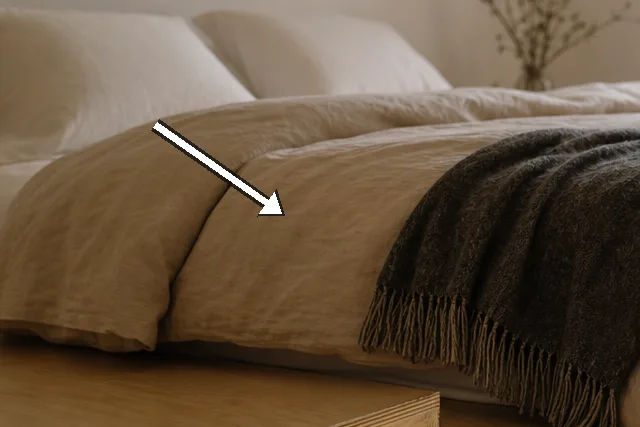
In the test moment we found that the 18 millimetre thickness balanced support with comfort, and the headboard line remained comfortable from the bed edge. We swivelled to lie on the mattress and adjusted pillows to check for edge sag and corner resilience. The platform didn’t creak and the surface was smooth to the touch, with a soft tapping when we moved. We noted any squeaks and planned minor rebates to eliminate them, if necessary. The bedding sheened under the lamp, and the room felt calmer, more intentional, more ours. It was a small victory that felt more durable than it appeared.
Finishing touches that knit the room together
With the frame stable, we turned our attention to finishing touches that would anchor the bed in the room's mood. We sanded all exposed edges to a satin-level smoothness, vacuumed away the dust, and wiped the surfaces with a damp cloth to raise the grain slightly before varnishing. We chose a clear, water-based satin finish to keep the grain visible and the room feeling bright rather than heavy. We brushed two thin coats and allowed a full day between coats to avoid tackiness or warping. We added felt pads under the skirting board side to dodge scuffs on the varnish and to soften footfall near the bed. The result was not a showpiece, but a calm, practical element that would endure daily use.
We also considered the room's scale, ensuring the platform didn't overwhelm the space while still providing a convincing pulling-up to the mattress. We attached a slim skirting along the base to hide the fixings and to offer a gentle shadow line that reads as built-in furniture. We replaced a couple of old bed socks with new felt protectors on the floor to reduce noise when we move around at night. We measured the mirror to confirm reflections wouldn't bounce off the platform and interrupt the bedside symmetry. We tested access from both sides of the bed, checking reach, night-time turning, and the ease of making the bed at dawn.
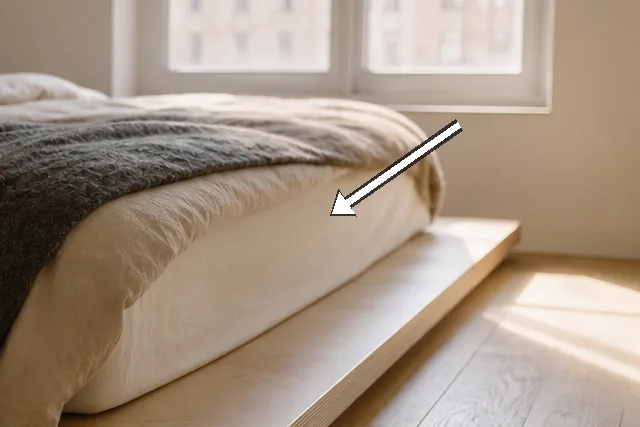
At this stage the platform's silhouette aligned with our wooden wardrobe and the low shelf that runs along the wall; the room began to feel generously proportioned again. We placed the finished platform in its final position and checked the clearance around the window blinds to ensure no snagging would occur. We rechecked the mattress height against the pillows and duvet depth, adjusting the head-end if needed. We evaluated practicality by dragging a loaded laundry basket along the bed edge to observe any flex or noise. We repositioned a lamp to cast a soft halo over the upholstery and confirm that the bed's presence would not dominate the space. The room breathed more softly now, as if the furniture had earned its sleeping corner.
 Save
Save
We also considered how the room would age with the platform, ensuring continued lightness and ease of cleaning. A simple textile under-bed storage could tuck behind the platform without blocking airflow or making the space feel crowded. The wood's natural grain would deepen with time, inviting careful polishing rather than heavy refurbishment. We imagined future upgrades as subtle tweaks rather than wholesale changes, keeping the slow-living ethos intact. The bed now anchors the space with quiet confidence, ready to age gracefully alongside the room.
- Mark the wall-line accurately before any drilling.
- Pre-sand all edges for a smoother surface finish.
- Use corrosion-resistant screws for longevity and a clean look.
- Keep a spare panel or offcut for future repairs.
- Test clearance with the mattress in place before sealing the finish.
Care and long-term-use considerations for a calm bedroom
Maintenance considerations became part of our brief as we completed the build. We noted that the finish will take cold months and bright summers, so we chose a durable oil-based varnish for longer life or a water-based alternative if needed. We advised gentle cleaning only with a damp cloth to avoid clogging the grain with dust. We asked the platform to breathe; we arranged for occasional inspection of the joints for any looseness. We slept on it that night and documented the initial comfort, including how our hips settled into place along the edge. The early feedback was encouraging, and we felt more connected to the room overall.
We also considered how the bed would adapt to changes in mattress size, including deeper toppers or new linens. The platform's dimensions give us flexibility for a smaller double or a larger queen if required, with the same 18 mm core and 4 cm clearance to the walls. We noted how the low profile interacts with the room's lighting, especially in the golden hour when the wood highlights shift. We planned to add a lightweight textile under-bed storage if needed, making use of the space behind the platform without blocking airflow. Our routine would be to rotate the mattresses every few months to distribute wear evenly. By keeping the base clean and sealed, we maintain the sense of calm that started the project.
Looking back, the project changed how we move around the room, how we store bedding, and how we feel about the space we inhabit. We learned to balance budget, craft, and aesthetics while keeping the work quiet and steady. The platform does not shout; it supports our sleep, and that quiet support feels like a small, lasting victory. We believe the right simple change can convert a corner of a home into something more grounded and useful. We close this report with gratitude for the discipline of slow-living and the patience to make things well. The room now reads as a complete, lived-in scene rather than a workbench with furniture.
How to do it
Plan and measure
We mapped the room's wall line, noted clearances, and defined a target bed height of 18 cm to keep the space open.
Cut and sand
We cut plywood to size, and sanded edges into a smooth bevel to avoid snagging.
Assemble base
We assembled the frame with pilot holes, glued joints, and brackets for rigidity.
Finish and test
We applied two coats of satin finish, then tested with the mattress in place and adjusted for comfort and airflow.
Common mistakes to avoid
Over-tightening screws
Over-tightening can strip wood and crush the surface; countersunk screws should sit flush with a light touch. In our early trial we learned to ease torque, re-check joints, and avoid hiding misaligned gaps behind a finish.
Skipping pilot holes
Skipping pilot holes invites splitting and misalignment. We drilled every hole and used guides to keep the line true, especially where the boards meet the uprights.
Neglecting airflow
Without airflow under the frame, moisture and odour can linger. We left space beneath the top surface and planned for a light, breathable finish to promote air movement.
Frequently asked
What thickness should the plywood be?
Will it work with different mattress sizes?
How long does the project take?
Do you need legs?
How do you ensure airflow under the bed?
What finish did you choose?
How should I maintain it?
Can I reuse salvaged materials?
In closing
In truth, the project has reminded us that good sleep starts with thoughtful, imperfect work becoming part of daily life. The low plywood platform is a quiet hinge between function and atmosphere, proving that small, purposeful updates can slow time in meaningful ways. We feel steadier in the room, and the bed reads as an anchored foundation rather than a temporary surface. If we keep choosing materials with care and plan for maintenance, the space will continue to breathe and evolve with us.