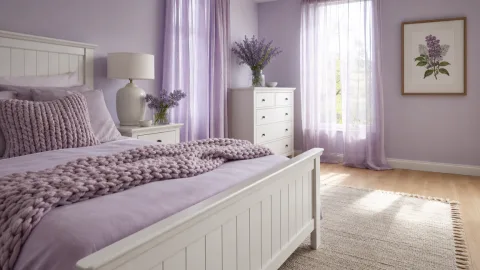
From the threshold we measured the room's limits and possibilities, noting a compact footprint framed by a single window and a low ceiling that invites careful composition, a quiet stage where light can travel with intention. Our approach prioritised quiet over spectacle, favouring a single, soft lilac base to set the mood without shouting, while keeping doors and storage strategies streamlined to support everyday use. We examined textiles first because they carry tone with tactility, creating texture that reads differently as daylight shifts, softens morning shadows, and deepens as evening hues arrive. White furniture acts as a reflector, nudging light into corners and providing a ready-made stage for textiles to perform, without competing with the walls or floor for attention. The goal was cohesion through repetition with variation, so the eye travels smoothly across surfaces without fatigue, with scale, weave, and dye depth contributing to a single lyrical rhythm. We documented measurements, material choices, and practical decisions to help readers translate these ideas into their own spaces, turning observations into a repeatable framework rather than a one-off aesthetic. This report frames calm as a practice of daily choices—accessible, repeatable, and adaptable to budgets and rooms of all sizes—where patience and observation replace impulse purchases.
Soft lilac foundation
Two coats of pale lilac on the main wall read as a soft wash rather than a graphic statement. The tint sits between warm rosé and cool toner, so it accepts daylight without shifting hue throughout the day. We tested swatches at two times, late morning and late afternoon, noting pigment shifts with exposure. The plaster texture remains visible, lending micro-texture that keeps the surface lively. A white ceiling preserves airiness and draws the eye toward the window.
On the bed, the lilac influences bedding and cushions without dominating the bed's structure. The duvet cover is powder lilac in 100% cotton percale, crisp yet gentle against white sheets. We added two shams in a cooler lilac to create depth without shifting the overall hue. The pillow edges feature a slim white stitch that echoes the ceiling line, helping the eye recognise a clean silhouette.
Flooring arrangements and daylight interplay create the room's grounded rhythm. A narrow natural-fibre rug sits at the foot of the bed, offering a gentle contrast to the pale boards. The rug's texture adds warmth underfoot while remaining visually light, so feet sense softness without breaking the calm. Daylight travels across it and bounces into the room, revealing subtle tonal shifts rather than obvious colour changes. Evening light, with a bedside lamp, softens edges and makes the lilac read as a quiet note.
Coordinated textiles language
 Save
Save
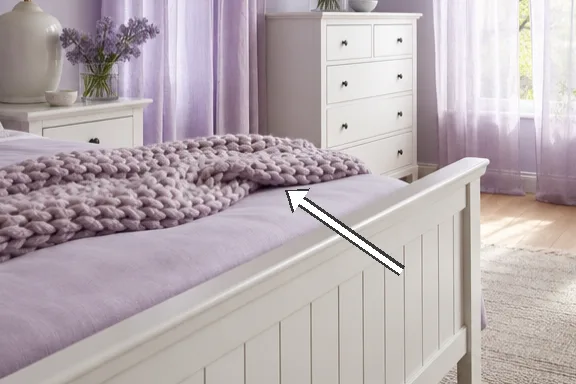
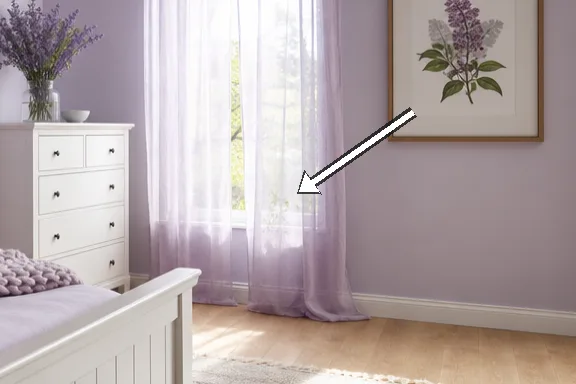
Textiles carry the tone across the room, so we selected curtains, cushions, and throws in related but not identical lilac families. Curtains are full-length linen in a pale lilac with a loose weave that softens daylight. Cushions mix textures: velvet, linen, and cotton jacquard, all tuned to the same tonal range. The bedspread adds a deeper lilac for depth without shifting emphasis. A wool throw at the bed's end fosters tactile warmth while staying visually calm.
Texture and tone travel together: the eye reads the same colour through different surfaces. Linen creases naturally, adding character rather than disturbance. The cotton blends with wool in cushions to give a dynamic yet cohesive feel. Lighting remains consistent: no single source dominates, so the textiles glow softly. The result is a rhythm that reads as a single language rather than a patchwork.
Repetition is subtle and varied to avoid monotony. We balance scale by pairing large panels with smaller accents. The final bed arrangement keeps the focal pale and gentle, not commanding. We test the palette at different times of day. The textiles read like a chorus, supporting the lilac narrative without shouting.
White furniture for lightness and cohesion
White furniture forms the room's backbone, keeping lilac from shouting and guiding light to where it's needed. The bed frame, nightstands, and dresser are near-matte white with simplified silhouettes. Each piece reads as a quiet surface, inviting the textiles to sing. We selected hardware in brushed nickel to avoid glare and maintain calm. The result is a cohesive line that remains unbroken as textures shift.
 Save
Save
Finishes matter as much as form. A soft edge on corners prevents visual hardness that can accumulate in small spaces. White surfaces reflect daylight, expanding perceived space and reducing shadows. The matte finish diffuses light rather than reflecting it aggressively. The furniture thus becomes a neutral stage supporting the textiles, rather than competing with them.
Light interacts with white surfaces to reveal subtle tones in lilac fabrics. By afternoon the whites take on a creamy hue, setting the textiles in relief. A small table lamp with warm white light adds focus without overpowering. We avoid chrome or glass that can create visual coldness in a lilac room. The strategy yields a calm, breathing space rather than a showroom.
Storage and calm surfaces
Storage is the invisible architecture that supports calm here. We tucked a combination of closed cupboards and shallow drawers into white silhouettes near the bed's foot. Open shelves are minimal to avoid visual clutter. Soft-close hardware reduces noise during late-night access, maintaining a quiet rhythm. The plan keeps surfaces clear for textiles to settle in as quiet punctuation.
Surface decluttering is deliberate and ongoing. We audit daily life to decide what must sit away, what can stay on display. Clear surfaces reveal the room's structure and the relationships between pieces. Regular tidying acts as ongoing content staging for the lilac narrative. The discipline of storage choices reinforces the sense of cohesion at scale.
 Save
Save
Lighting and storage zones influence how calm feels in practice. A wall light near the wardrobe adds canopy-style lighting without glare. A floor lamp softens the corner by the window to make the space legible at night. The combination keeps storage visually quiet while remaining accessible. The approach demonstrates how function and aesthetics align in daily use.
- full-height wardrobes with soft-close doors
- low-profile chests that stay visually calm
- under-bed boxes in natural fabric
- wall-mounted shelves with clean lines
- lidded baskets to hide daily clutter
Design diary in motion
To translate this approach into a reader's room as a design diary in motion, begin with measurement, light, and the mood you seek to sustain. Build a foundation with a gentle lilac base on one wall or across the bedding, then invite white furniture to act as a quiet framework that carries your textiles without competing for attention. Introduce textiles in a deliberate sequence, aligning tones to create visual harmony rather than momentary excitement. Observe the room across morning and evening to confirm the palette's resilience and to note how textures respond to changing light.
Reinforce rhythm by repeating textures in cushions and curtains at varying scales. Add a light rug with a natural fibre to ground the space. Adjust lighting to reflect daylight shifts and maintain a calm horizon. Keep hardware minimal and finishes matte to avoid reflectivity. Track the effect with a simple mood check at dusk.
Finally, maintain the calm with regular maintenance. Vacuum and launder textiles appropriately to sustain the soft, even finish. Re-check that storage remains unobtrusive and that no single element dominates the palette. Consider seasonal tweaks only in a controlled way, never a full makeover. A cohesive bedroom is a practice, not a single moment. The diary closes with a gentle invitation: live with the space, add one new texture or hue at a time, and let its quiet confidence grow.
How to do it
Survey your space
Take measurements, note light levels, and identify textiles you already own. Start with a clean slate by listing essential dimensions and documenting daylight patterns across a typical day.
Choose a lilac base
Select a soft lilac that reads as calm and adaptable. Test swatches in the room, viewing at morning and afternoon, and compare against white surfaces to ensure balance.
Coordinate textiles
Match curtains, cushions, and throws to a single tonal range with varied textures. Lay swatches side by side, assess drape and weight, and avoid repeating the same fabric across large planes.
Finish with white furniture
Add white pieces with simple silhouettes to maintain airiness. Choose matte finishes and avoid reflective hardware. Position storage to reduce top-surface clutter and keep textiles as the room's visual focus.
Common mistakes to avoid
Overmatching textures
Overmatching textures can flatten the room's rhythm. Vary weave, fibre, and sheen within the palette to keep the surfaces interesting. Allow light to travel across textures rather than stacking them in one plane.
Too-dark lighting
Relying on a single overhead source risks flattening depth. Layer lighting with floor lamps and wall sconces at different heights. This keeps corners soft and avoids harsh contrasts.
Minimal storage
Too little closed storage invites surfaces to collect clutter. Choose compact, hi-visibility storage that remains visually calm. Regular decluttering is part of maintaining the calm.
Frequently asked
What shade of lilac works best for bedrooms?
How can I avoid overwhelming the room with colour?
Which textiles should take priority?
What lighting supports calm cohesion?
How much storage is enough?
Will this approach suit small rooms?
How to maintain the look over time?
Can this be achieved with budget options?
In closing
Ultimately, this lilac bedroom demonstrates that cohesion comes from restraint, not monotony. By combining textures, lengths, and finishes within a single palette, we keep the space calm and usable for daily life. The fieldwork shows how purposeful repetition invites both rest and movement without crowding, and how light becomes a partner rather than a constraint. Practitioners can apply these patterns with modest budgets and accessible materials by prioritising repeatable decisions over grand gestures. The outcome is a room that supports sleep, reading, and morning routines while feeling gently recharged, as if the house itself breathes a slower rhythm. Readers are invited to treat their rooms as living studies, recording what works, what resonates, and what deserves reinforcement over time.