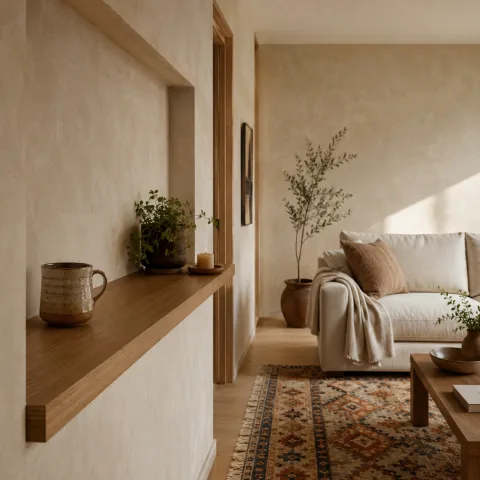
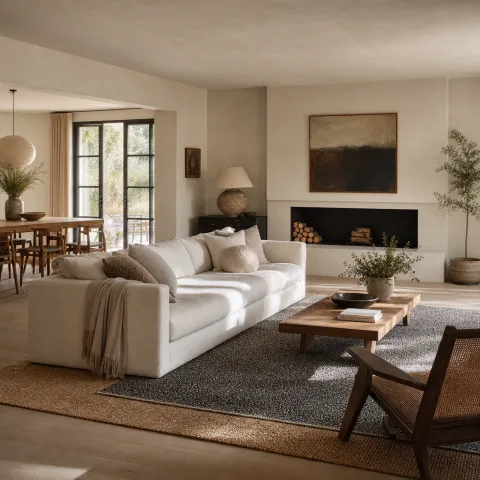
The phrase “test pub” made us laugh the first time — partly because it sounds like a lab, partly because it felt like permission. The thing we built is not a bar; it is a surface and a habit: a narrow table pressed to the wall, a couple of stools, and an assortment of glasses we rotate through depending on whether we’re sampling a friend's farmhouse ale or Mira's latest vermouth experiment. We treated it like a small ritual rather than a renovation, and that changed how we used the living room. The table is always available for a quick pour; nothing needs to be dragged across the sofa, no folding legs to unfold. Over a few months the corner collected stories — the wrong bottle, a perfect pairing, a neighbor who knocked to borrow a lemon — and in those stories the test pub proved itself more useful than any expensive piece of furniture might have been.
Why we called it the test pub
The name arrived during a clumsy tasting session: a friend brought three small bottles, we had no proper glasses, and the living-room coffee table was cluttered with postcards. Moving a stack of magazines aside to make room felt like conceding the room to the snacks rather than to the tasting — so we shifted a slim console table up against the wall and called it experimental. The immediacy mattered: choosing three samples instead of shelving a dozen, writing a one-line note for each pour, and remembering which corkscrew lived where. Those small procedural choices turned casual sipping into something repeatable. Calling it a 'pub' allowed us to be playful about the rituals but shy about the spectacle — we wanted evenings that improved incrementally, not a sudden makeover.
A test pub is intentionally modest because modesty reduces friction. If the spot required tools or heavy furniture we would have postponed it indefinitely: rentals, tiny doors, and a single day off conspire to keep many ambitions at bay. Instead, the parts are portable — a slim table we bought at a flea market for twenty euros, two stools scrounged from a cousin, and a thrift-store tray for glasses. The financial point is not thrift as virtue but as practical constraint: small, inexpensive pieces are easier to live with, easier to move, and less likely to accumulate dust. In a rental, those are qualities worth prioritizing.
What 'test' means to us
Testing implies iteration: we always have a short list of three things to try and a note about what we liked or disliked. That constraint — three samples — prevents decision paralysis and keeps the corner from becoming storage for every bottle we ever liked once. A tasting note can be scribbled on the back of a receipt; it’s not a wine journal so much as a memory anchor. In practice this means remembering that the farmhouse ale sang better with a wet cheese than with bread, or that one vermouth tasted too botanically sweet for the citrus garnish we prefer. The notes create continuity between evenings and help us learn faster without the expense of buying full bottles of everything.
Not a cocktail bar, a practice room
We are deliberately unfancy about tools. A basic jigger, a trusty knife for garnish, a strainer rescued from a drawer — these are the instruments of practice. The idea is not to impress but to learn: which botanicals play nicely together, which citrus oils are worth the squeeze, which glass shape makes a beer taste cleaner. By keeping the toolkit minimal, mistakes are cheap and corrections quick. When a recipe fails, we take notes and try again the next month. That rhythm — attempt, note, adjust — turns a hobby into a quiet, absorbable skill without turning the living room into a workshop.
Sourcing things that behave like a pub
We treat sourcing as a scavenger hunt rather than a shopping trip. A proper pub accumulates character over years; in a weekend you can approximate that by looking for pieces that already have a story. A narrow table with a scar on one corner or a stool with a mismatched paint drip signals that the piece has had a life — and that helps the corner read as inevitable rather than staged. We spent little: two thrift runs, one flea-market morning, and a swap with our neighbor for an enamel tray. Cost in euros mattered, but what mattered more was provenance — objects that felt like they belonged to someone rather than to a catalogue.
We prioritized durability over prettiness. A scratched wood surface hides future marks; a glossy new tabletop invites caution and hand-wringing. That is a subtle point but an important one in a rental: when the furniture looks like it will survive a spill, you are more likely to use it. Our table’s finish is forgiving, which means we pour without counting heartbeats at the sight of condensation rings. And because the pieces are inexpensive, loss or breakage is an annoyance rather than a crisis, which keeps evenings relaxed rather than tense.
One practical sourcing rule: buy things you can lift alone up a narrow stair. We live on the second floor of a Lisbon building with a winding staircase — that constraint forced better choices. The table we fitted fits the hall as well as the living room; the stools stack under it; the whole setup can be moved into the kitchen if we need floor space for dancing or a visiting friend’s yoga mat. Portability is a kind of insurance: it keeps the living room usable for whatever else we need it to be.
Furniture choices that aged well
A narrow console, a set of short stools, and a tray for glasses have been the most resilient choices. We avoided tall stools that would make guests feel unsteady in a small room and focused on comfortable, slightly lower seating that invites conversation. The console table’s narrow depth keeps traffic flowing down the room, and the tray collects spills. Together these pieces behave like a system: they make hosting easier without demanding much space. Over time, the combination proved adaptable: it serves breakfasts, a place to fold laundry, and the test pub with equal ease.
Picks we regret
We regret the single, fancy decanter we once bought because it demanded ceremony. The decanter needed polishing and a specific cloth and an audience to feel worthwhile; that was too much friction for a nightly experiment. Another mistake was a set of delicate crystal glasses — beautiful, but fragile enough to discourage us from encouraging guests to handle them freely. Those purchases taught a useful lesson: in a small test pub, resilience beats aesthetics. Objects that survive the odd knock and still look better for it are worth more than objects that must be coddled.
 Save
Save
Lighting that reads like evening, not a nightclub
Lighting can change the perception of one table by an order of magnitude. We resisted the temptation to install a dramatic pendant; instead, we layered light. A small lamp with a warm-bulb on an adjacent shelf, a candle for actual evenings, and the option of the room’s overhead dimmer create combinations that read like a pub’s comfortable evening rather than a dramatic set. Warm temperature bulbs (2700–3000K) and dimmers are cheap investments that yield immediate returns. Layered light makes the corner forgiving and gives the same little table several moods depending on the hour and the company.
Candles, despite their Instagram-friendly appeal, are best used sparingly and safely; a thick candle in an old jam jar or a small trio in glass votives is enough to suggest evening without setting the neighborhood on edge. Candlelight also solves the problem of scale — a small flame reads like hospitality, not spectacle. We keep a metal tray under candles to catch wax and use a long match for safer lighting. Those small precautions preserve the object’s usefulness and keep the living room from turning into a temporary hazard.
A useful trick: test your lighting in the hour before guests arrive. That way you see how shadows fall across faces and whether glasses pick up too much glare. We learned that the lamp on the shelf needed a cloth diffuser to stop a hot spot, and that one lower-watt bulb made a big difference to how a drink looked on camera — if one cared. The goal is legibility and warmth, not dramatic beams or theatrical pool light. A calm room invites conversation and makes tasting feel like a shared task rather than a performance.
Lamps, candles, and options for rentals
Floor or table lamps are the rental-friendly answer because they require no holes in the wall. We chose a weighted floor lamp with a warm-toned bulb and a lampshade that diffuses rather than focuses. For candlelight, we keep a set of reusable votives that sit on a small metal tray; the tray contains spills and moves easily. These choices are about reversibility: you should be able to leave the apartment and take or sell the items without feeling like you’ve left work unfinished. That ease of undoing is a relief in a rental and helps the corner feel temporary in the best possible way.
Avoiding glare and reflections
Glassware reflects everything in a small room, so we positioned the main light source to minimize glare on the table surface. That often means choosing side lighting rather than overhead and angling lamps so reflections fall onto the floor or wall. A simple linen runner on the table also cuts harsh reflections and provides a color field against which liquids read better. These small adjustments make photographs look better, but more importantly they make it easier to judge color and clarity — practical things for a tasting and quiet pleasures for anyone who enjoys attention to detail.
 Save
Save
Sound, background, and the small prop that matters
A pub is as much about sound as it is about sight. We learned to keep a modest playlist ready: low-volume records or a curated streaming list that stays in the background and does not demand attention. Loudness is a social decision; too quiet and guests feel awkward, too loud and conversation becomes forced. The playlist should be forgiving; songs that spill into awkward silence are less valuable than those that melt around conversation. We often set the speakers on low and let the room breathe — the music supports the test rather than replaces it.
Background items matter. A small stack of coasters, a pot for used citrus peels, and a bowl for spent olives keep surfaces tidy and the tasting procedural. We use a repurposed jam jar for peels and an old ceramic bowl for pits — both items that are easy to empty and pleasant to look at. These props are unspectacular but they change the flow: with a place to drop garbage, guests are less likely to search the sofa cushions mid-tasting. The attention is to ceremony without fuss: functional objects that carry visual quietness.
We also found one small prop worth the entire weekend: a simple handwritten menu clipped to a wooden board. It lists the three items we’re testing and a short note about each — proof that writing things down signals seriousness without showing off. The menu isn't for display; it's a way to slow down decisions and to remember what we liked. People read the little board, ask questions, and the tasting becomes a shared task rather than a scatter of bottles. It is a tiny theatrical device that makes the evening feel cared for without demanding a script.
A playlist for conversation
Our go-to playlist has no abrupt hooks: older folk, minimal indie, a little jazz. Licensing aside, analog records add warmth but streaming convenience wins for rotation. The reason music matters is practical — it fills awkward pauses and masks the occasional kitchen clang when someone reaches for the bowl but forgets it's behind them. Volume is always conversational: low enough that you can hear the person beside you but present enough to feel like a companion. The playlist is a small domestic choreography that nudges the evening toward ease.
The menu as a social object
A short printed or handwritten menu invites discussion and gently structures the night. It reduces the cognitive load of choosing and gives guests a talking point. Ours is intentionally informal — three lines, the producer, and one note about why we chose the sample. People ask about unfamiliar names and recommend pairings; the menu becomes an invitation to teach and to listen. It’s a small object but it produces the social behaviors that make the test pub feel purposely civil and quietly curious.
 Save
Save
Keeping it legal and neighbor-friendly
We learned quickly that good intentions don't absolve you from being a considerate neighbor. A test pub that leaks noise or smells will not survive the landlord or the hallway committee. So we set soft rules: no loud music after 10 p.m., windows closed when cooking something pungent, and a readiness to move the tasting to the kitchen if more space or ventilation is needed. In practice this is not about policing fun; it’s about extending hospitality beyond your door. It turns out neighbors appreciate being considered, and those small courtesies make long-term experiments possible.
We also keep the corner tidy because an untidy spill that reaches a neighbor’s hallway will be noticed, remembered, and sometimes reported. A small tray for glasses and a linen cloth for quick wipe-downs are practical mitigations. Beyond that we keep empty bottles discreetly bagged until trash day. The rituals are small and inexpensive but they protect the goodwill that lets you keep experimenting without fear of formal complaints or awkward conversations at the mailbox.
If you live in a building with strict rules, the test pub can still exist in miniature: daytime tastings, fewer guests, and a smaller pour will often fall well within most homeowners' associations' patience. We once hosted an afternoon of non-alcoholic botanical infusions for a neighbor with small children and it was as social and instructive as any evening. The point is flexibility: hospitality adapts when you’re willing to trade a rowdy night for many gentle ones.
Small rituals that prevent complaints
A simple courtesy note for neighbors and a scheduled quiet hour go a long way. We once left a small printout explaining a tasting night and inviting anyone bothered to knock; no one knocked, but the gesture mattered. Practically, it’s as much about attitude as policy: if you host with intent and respect, neighbors are more likely to be forgiving of an occasional raised voice. These rituals were never about appeasement; they were about making sure our experiments could continue without friction.
How to test a new drink or menu at home
Testing is simple in theory and fussy in practice. We use a small checklist: choose three samples, pick a neutral palate reset (water and plain crackers), and write one line about each sample’s most noticeable character. Pours are small — perhaps 60–90 ml — because smaller samples force attention to what changes between sips. The restraint of small pours also reduces waste and the temptation to keep going until opinion hardens into habit. The test is a practice in noticing and naming, not scoring. That change of intent shifts the experience from evaluation to education.
Sequence matters: start with the lightest sample and progress to the heaviest. That prevents palate fatigue and gives each sample a fair hearing. We also wait a minute between sips and take notes in that interlude — an awkward silence is a small price to pay for clarity. Keeping the rhythm slow helps conversation rather than suppressing it; people share observations and the night becomes collaborative. Over time, sequencing becomes intuitive and the tests feel less like a checklist and more like a conversation about taste.
We close with a small vote — thumbs up, neutral, thumbs down — which is less about judgment and more about probability. If two people independently like the same sample, it earns a place in the rotation. If opinions diverge wildly, we keep it as a conversation starter rather than a refrigerator staple. The goal is not to produce a conclusive ranking but to learn rapidly which bottles deserve another chance. That kind of learning is cheap and cumulative and creates an archive of evenings rather than a pile of half-empty bottles.
Palate reset and hygiene
Water and plain crackers work well as palate resets; avoid flavored crackers which can skew perception. Between pours we rinse glasses in warm water and dry with a clean towel — no detergent residue, no streaks. That small attention to cleanliness improves assessment and demonstrates respect for the objectivity of tasting. In a small space, keeping a designated towel and bowl for rinsing avoids kitchen traffic and the temptation to skip the step when you’re distracted by a story or a laugh.
 Save
Save
- Clear a narrow surface and set three spots for samples
- Start with the lightest drink and progress to the heaviest
- Use water and plain crackers to reset the palate
- Take one-line notes and vote with thumbs up/neutral/down
The small, stubborn benefits of repeating the test
Repetition is how taste becomes reliable. Our early tests were mostly lucky guesses; only by repeating them did we learn patterns. Repeating the same sample after a month showed whether an odd note was a bottle fault or a fluke. Regular small tests also make you a better host: you learn quantities, timing, and which foods pair well without depending on Pinterest aesthetics or a borrowed list. Over months the corner taught us thrift in the best sense: how to be generous within our means and how to enjoy craft without compulsive consumption.
There’s also a social benefit: regular testing creates a low-stakes calendar. Friends know that the third Saturday is likely a tasting night with three samples and a small menu. That consistency makes hospitality less stressful: it offers routine instead of improvisation and allows guests to plan for it. The ritual becomes part of your shared life rather than a rare event that needs grandeur. In a small apartment, those repeated small rituals matter more than occasional extravagance.
Finally, repeating the test reshapes thrift: when you learn which bottles are worth repeating, you buy them again, not every new release. That curation reduces waste and increases appreciation. It also helps you build a small, meaningful stock rather than a cluttered shelf. This is the opposite of collecting for display; it's collecting for memory and future conversation.
“We learned faster by drinking less and writing more.” — Mira
How to do it
Clear a narrow surface
Push aside unnecessary items and set a slim table or console against a wall so traffic through the room remains unobstructed.
Choose three samples
Select one light, one medium, and one heavier option to compare; smaller pours (60–90 ml) keep attention sharp and waste low.
Prepare palate resets
Place a carafe of water and a small plate of plain crackers or bread to reset between sips.
Take one-line notes and vote
Write a single line about each sample, then vote thumbs up, neutral, or down to decide what earns another bottle.
Frequently asked
Can I have a test pub in a one-bedroom rental?
Do I need special glassware to taste properly?
How do I avoid upsetting neighbors?
Is the test pub only for alcohol?
In closing
If there’s one rule that survived every tweak and compromise it is this: design for the smallest possible success. The test pub is a promise to host quietly, to try things without showing off, and to invite friends into a diminished but sincere version of hospitality. It keeps the living room nimble — you can tuck the stools under the table in a minute and the corner disappears. More importantly, it trains the eye: once you live with less, you begin to notice what actually matters — a good pour, a clean glass, a comfortable seat. Keep those three and the rest will grow on their own: more bottles, fewer regrets, and evenings that feel like they were measured by conversation rather than Instagram moments.