A south-facing balcony is a gift eleven months of the year and a furnace in July. Top-watered herbs in shallow rail planters wilt by lunchtime and die over a long weekend away. The fix that finally worked was a self-watering trough: a rail planter with a sealed reservoir in its base and a wick of soil drawing water up to the roots on demand. Through a heatwave and a two-week trip it kept the basil standing, because the plants drank what they needed from below instead of waiting for us to remember from above.
Why bottom-watering wins in full sun
Top watering in a hot, shallow planter is a cycle of flood and drought: soaked at breakfast, bone-dry by mid-afternoon, the roots lurching between extremes. A reservoir flips that. Water sits sealed below, a column of soil wicks it up, and the roots take a steady sip all day. The surface can look dry while the root zone stays evenly damp, which is exactly what herbs want and exactly what a watering can cannot deliver on a 35-degree afternoon.
It also buys you time. A full reservoir in our 70 cm trough lasted eight to ten days in peak summer, which turns a balcony herb garden from a daily chore into a weekly one — and survives the holiday that kills most balcony plants.
 Save
Save
Which herbs, and which to keep out
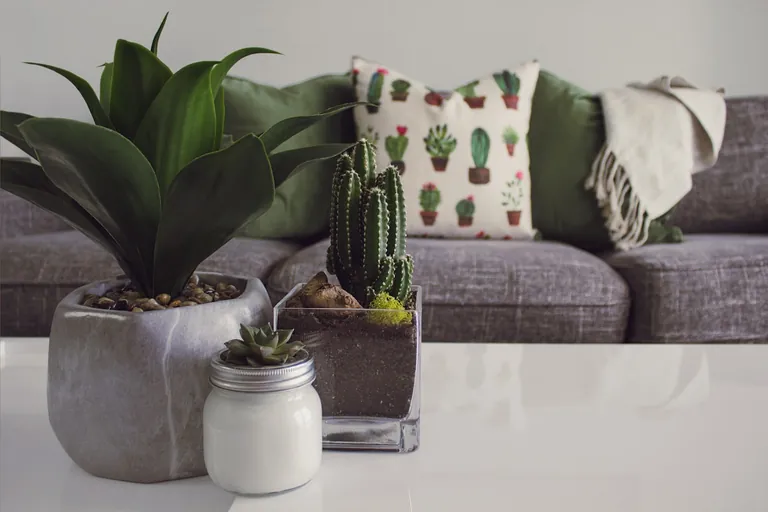
Soft annual herbs love a reservoir: basil, parsley, coriander, chives and mint all want consistent moisture and reward it with weeks of cutting. The ones to keep out are the woody Mediterraneans — rosemary, thyme, sage — which evolved to dry between drinks and sulk in permanently damp soil. Put those in a plain terracotta pot beside the trough and water them by feel.
We run one 70 cm trough of soft herbs on the reservoir and a single terracotta pot of rosemary alongside. Two watering regimes, two happy sets of plants, and no compromise that leaves either struggling.
 Save
Save
“The surface can look dry while the root zone stays evenly damp — exactly what a watering can cannot deliver.” — Mira
Clipping it to the rail safely
A full trough of wet soil is heavy, and a balcony rail is not a structural shelf. We use brackets rated well above the loaded weight, hooked over the rail and bolted, with the trough sitting on the inside of the balustrade rather than cantilevered over the drop. Nothing about a herb garden should involve a planter falling four floors onto the street.
Position matters for harvest as much as safety. On the inside of the rail at worktop height, the herbs are a reach from the kitchen door, which is the real test of whether you will actually use them. A herb you have to climb for is a herb you let bolt.
- Reservoir troughs keep soft herbs evenly moist in punishing sun.
- Soft annuals only — keep woody Mediterranean herbs in dry terracotta.
- Fill through the pipe to the overflow; never soak the surface too.
- Mount on the inside of the rail with over-rated brackets, never cantilevered.
How to do it
Choose a reservoir trough to fit the rail.
A 70 cm trough with a sealed base reservoir and an overflow. Check the bracket style matches your rail diameter before buying.
Fill with a free-draining mix.
Two-thirds peat-free compost, one-third perlite, so the wick draws steadily without compacting. Avoid heavy garden soil.
Plant the soft herbs, water in once from the top.
Settle the roots with a single top watering, then switch to the reservoir from then on. The first top water is the only one.
Top up the reservoir weekly.
Fill through the pipe to the overflow every 8–10 days in peak sun, less in spring and autumn. Check the overflow, not the soil, to judge level.
Frequently asked
Won't the reservoir breed mosquitoes?
How do I know when to refill?
Can I grow tomatoes in it?
What about winter?
Is a south rail too hot for any herb?
How heavy is a full trough?
Do I still need to feed?
In closing
The balcony still bakes by noon, but the herbs no longer care, because they drink from below at their own pace. A reservoir trough turned a daily rescue mission into a weekly top-up and survived the fortnight we were away. The basil was taller when we got back than when we left.